
Begin With the YouTube Channel
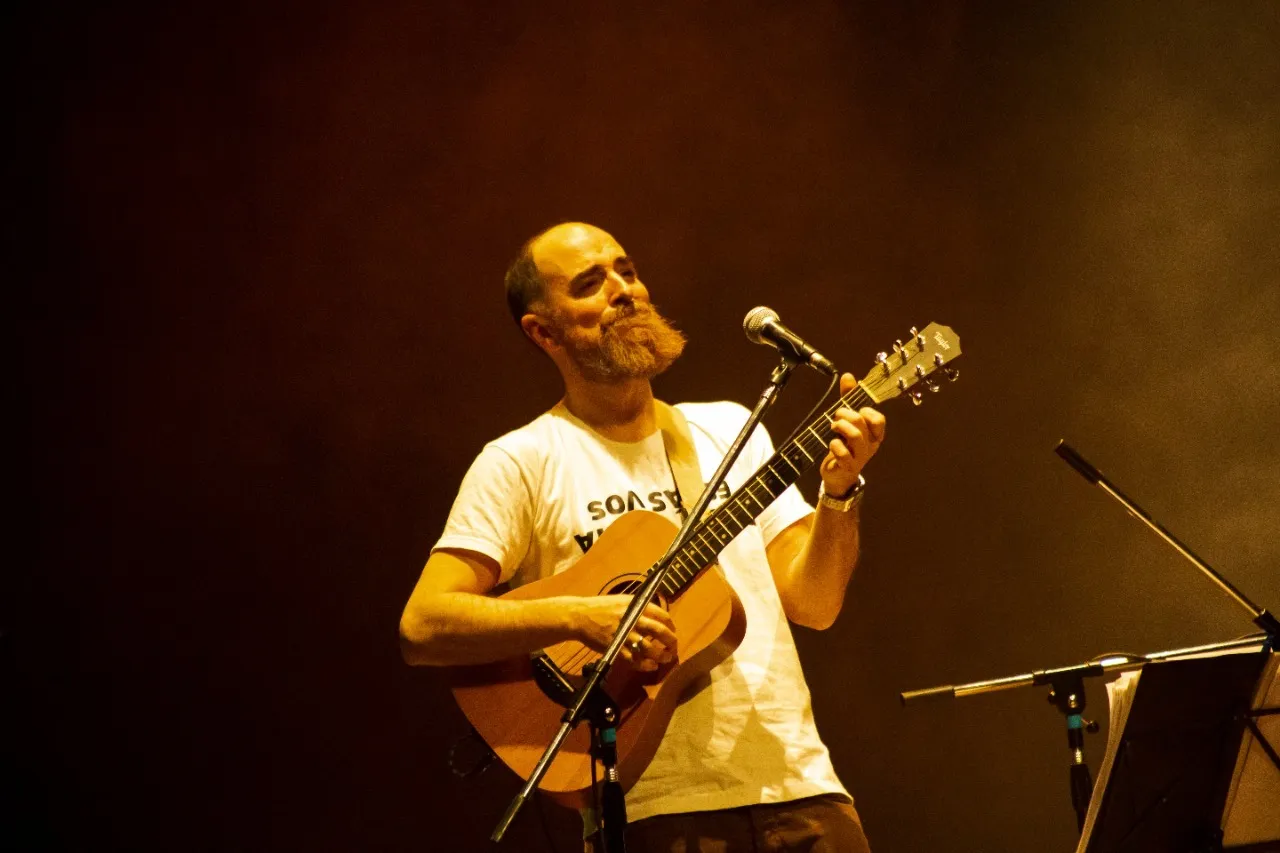
Start with Juan Lucangioli's "Songs and Consciousness" YouTube channel. This is the entry point that makes everything else click. Unlike most artist introductions, you don't begin with an album or a book—you begin where all three forms converge. The channel hosts meditations, song performances, and readings that demonstrate his central premise: that music, writing, and contemplative practice aren't separate activities but different expressions of the same investigation into consciousness.
Spend your first session simply browsing. Watch a guided meditation. Listen to him perform a song. Hear him read from his work. The power isn't in any single video but in recognizing the continuity of attention across formats. You're not consuming content; you're witnessing a practice.
After That: "Nos escribimos cartas" and ¿Qué puedo decirte en un minuto?
Once the channel gives you a sense of his voice, listen to "Nos escribimos cartas." This song distills his entire philosophy: correspondence as spiritual technology, the letter as meditation, writing to another as a way of exploring Being itself. The song isn't metaphorical. Lucangioli literally means that the act of writing letters—attending to another consciousness through language—is contemplative practice.
Then download ¿Qué puedo decirte en un minuto? It's free, it's brief, and it demonstrates what sustained attention looks like in prose. The title's question—"What can I tell you in a minute?"—is the koan his work circles. How much truth fits in constrained time? How does limitation sharpen presence?
Then Commit: Caleidoscopio and Cartas a mi Madre
If you're still here, listen to Caleidoscopio (2024) front to back. This is his most recent full-length musical statement, the place where songwriting as consciousness exploration reaches its current form. Follow it with Cartas a mi Madre, his published book of letters. By now you'll understand that these aren't products to consume but invitations into a particular quality of attention.
Expect gentleness, not performance. Expect spaciousness, not hooks. Lucangioli doesn't seduce or convince. His work asks you to slow down, which means your first encounter might feel like nothing is happening. The songs don't build to catharsis. The writing doesn't argue toward conclusions. You're meeting someone who treats artistic practice as meditation—repetitive, patient, concerned with presence rather than impact.
Beginners often mistake this work for self-help or wellness content. It isn't. Lucangioli isn't teaching techniques to fix your life. He's demonstrating a life organized around direct exploration of consciousness. The newsletters, songs, and letters aren't tools—they're evidence of the practice itself. You can't "apply" this work. You can only recognize whether you want to practice similarly.
This work finds you when productivity stops working. When you've accomplished enough to know accomplishment isn't the point. When you're exhausted by content and hungry for contact. It lands in transitions: after loss, between identities, in the middle of a life that looks right but feels hollow. Lucangioli's work attracts people who suspect that attention itself might be the thing they've been seeking.
Day 1-2: Browse "Songs and Consciousness" on YouTube. Don't binge. Watch one meditation, one song, one reading. Notice what you notice.
Day 3: Listen to "Nos escribimos cartas" three times. Read the lyrics if available.
Day 4: Download and read ¿Qué puedo decirte en un minuto? in one sitting.
Day 5-6: Listen to Caleidoscopio while doing nothing else. Then listen again while walking.
Day 7: Subscribe to Notas del Camino, his weekly newsletter. Write a letter to someone you love. Notice whether Lucangioli's work has changed how you attend to the writing.
After seven days, you'll know if this practice speaks to you—not because you understand it, but because you recognize it.