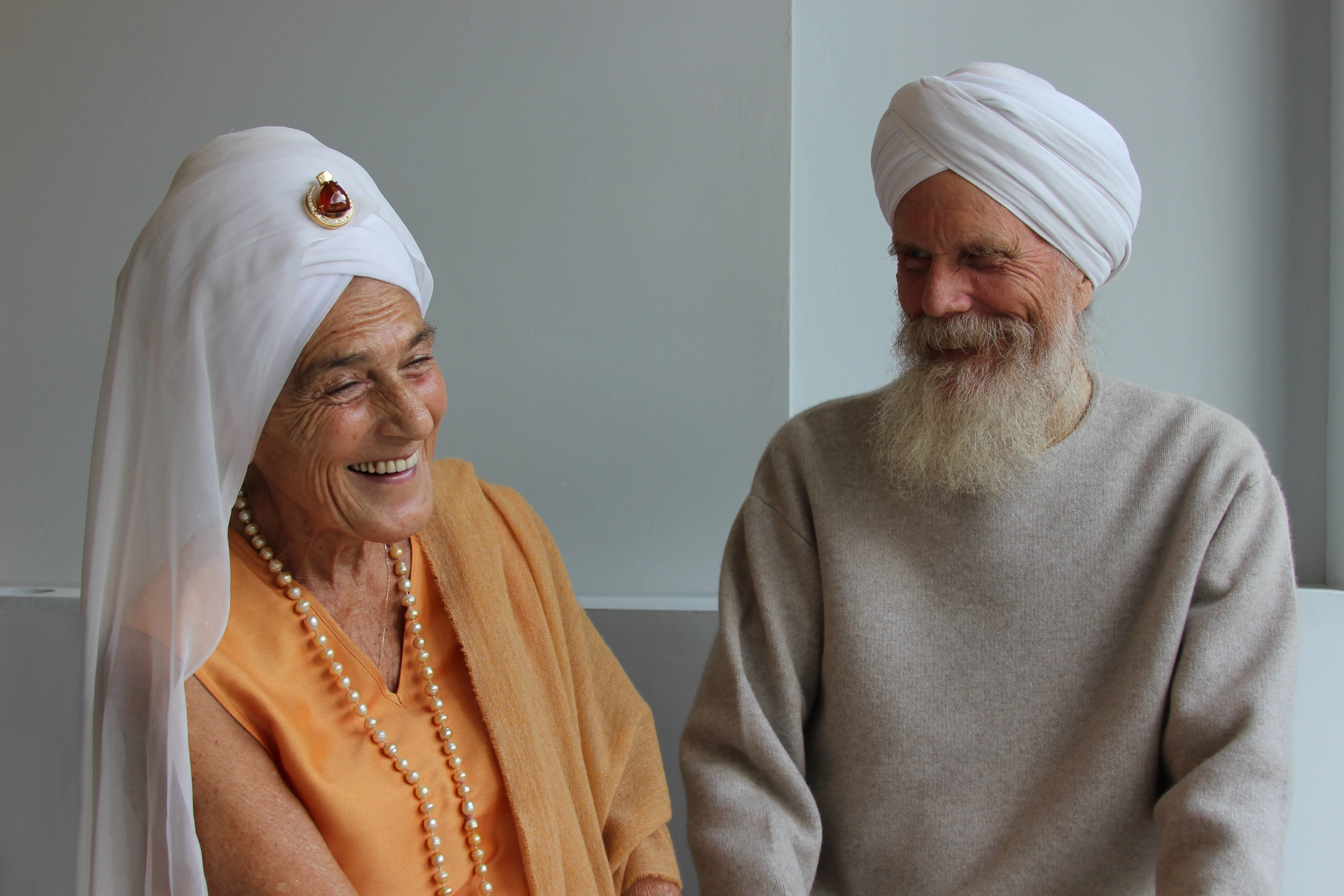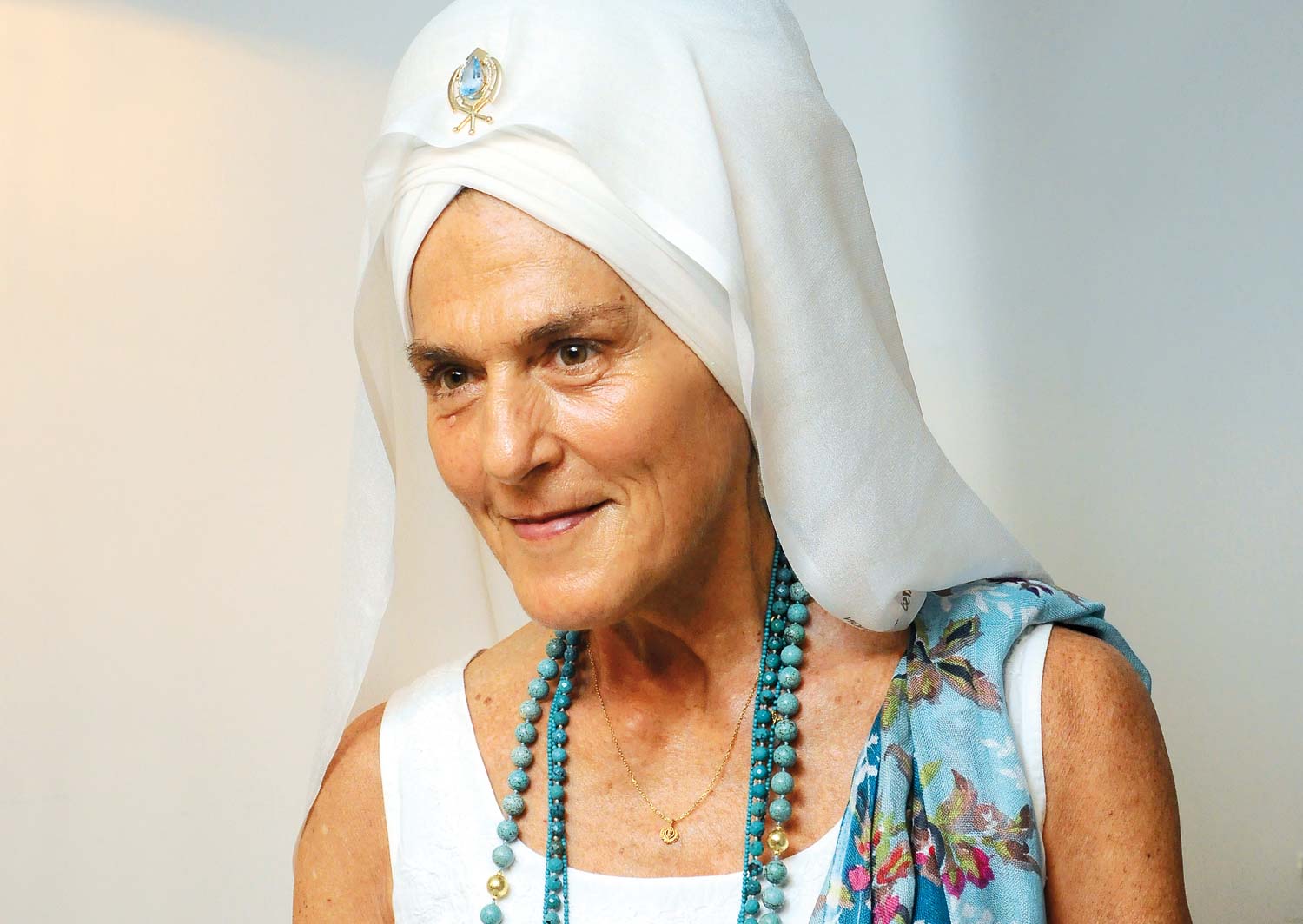

Gurmukh Kaur Khalsa's path represents one of the more significant American encounters with Eastern spiritual practice in the late twentieth century. Born in Illinois during an era when yoga remained largely unknown in the American Midwest, she would eventually become one of the principal architects of Kundalini Yoga's integration into Western wellness culture. Her trajectory intersected with Yogi Bhajan, the Sikh spiritual leader who brought Kundalini Yoga to the United States in 1969, and she became one of his earliest Western students—a relationship that would define both her teaching methodology and her institutional legacy.
The specifics of her early life remain less documented than her later work, but what's clear is that her training in Yogi Bhajan's lineage established a foundation markedly different from the eclectic spirituality that would characterize much of American yoga. Her practice centers on the Sikh teaching that happiness is the birthright of every human being, a philosophical anchor that distinguishes her approach from purely physical fitness models of yoga.
Gurmukh's most enduring contribution emerged in the 1980s when she developed the Khalsa Way Prenatal Yoga method, effectively bringing prenatal yoga into mainstream American yoga culture. At a time when pregnancy was often treated as a medical condition requiring rest and limitation, she adapted the rigorous physical and meditative components of Kundalini practice—kriyas, breath work, and mantra—specifically for expectant mothers.
This wasn't simply about making yoga "safe" for pregnancy. The Khalsa Way represented a structured approach that maintained the intensity and spiritual depth of Kundalini tradition while addressing the unique physical and emotional terrain of childbirth preparation. The method challenged prevailing assumptions about what pregnant bodies could do and what kind of consciousness work might be appropriate during this transformative period.
Her prenatal work resonated particularly with a generation of women seeking alternatives to purely medicalized childbirth experiences, yet unwilling to abandon physical rigor or spiritual practice. The approach spread through word of mouth in Los Angeles before gaining national and eventually international recognition.
The founding of Golden Bridge marked Gurmukh's transition from individual teacher to institution builder. What began as a community and studio in Los Angeles became a hub for Kundalini Yoga practice, eventually expanding into a global organization. Golden Bridge operates on principles distinct from the boutique fitness studio model that dominates contemporary yoga—it functions as a practice center offering daily classes, meditation circles, and gong baths rooted specifically in the Kundalini tradition.
The organization's emphasis on White Tantric Yoga meditation and consistent use of Gurmukhi mantras, including the Adi Mantra and the Mul Mantra, reflects Gurmukh's commitment to maintaining lineage authenticity even as the practice reached broader audiences. This insistence on traditional elements—the white clothing, the specific mantras, the kriyas performed in their original sequences—created both a recognizable brand and a genuine transmission of practice.
Gurmukh's body of work includes multiple books on Kundalini Yoga and prenatal practice, though her influence extends beyond publication into direct transmission through teacher trainings, retreats, and immersions. She leads international programs in locations including Rishikesh, Dubai, and Mallorca, bringing Kundalini practice to practitioners across vastly different cultural contexts.
Her teaching has also found contemporary expression on the AloMoves platform, where she offers the Khalsa Way Prenatal Yoga Classes, the Kundalini Rising Series, Developing Courage, and Clean Sweep Your Mind. These digital courses represent an adaptation to changing consumption patterns while attempting to preserve the essence of practices traditionally taught in intensive, in-person formats. The challenge of translating the communal, immersive experience of Kundalini practice into on-demand video format reflects broader tensions in how spiritual traditions meet technological distribution.
Gurmukh's significance lies partly in timing—she built her practice during yoga's transformation from counterculture curiosity to mainstream wellness phenomenon—but more substantially in her role as a bridge figure. She brought rigor and lineage specificity to an American yoga landscape that was simultaneously expanding and diluting.
Her work reaches practitioners who might otherwise encounter only the physical postures of yoga, offering instead a complete system incorporating breath, sound, meditation, and consciousness cultivation. The prenatal work in particular created an entry point for women who might never have considered themselves "yoga people," meeting them at a moment of physical transformation and existential questioning.
Yet her legacy exists within complex terrain. Yogi Bhajan's reputation has faced serious scrutiny in recent years, raising difficult questions about lineage, authority, and how practitioners navigate troubling revelations about spiritual teachers. Gurmukh's continued work occurs against this background, as students and teachers alike reckon with what it means to maintain practices they've found valuable while acknowledging problematic dimensions of their origins.
What remains indisputable is her role in shaping how pregnancy, birth, and postpartum experience intersect with contemplative practice in American culture, and in maintaining a specific tradition of Kundalini Yoga amid the tremendous diversification of Western yoga styles.