What's Next
On the Road
Listening Journey
Healing Frequencies
Discography
Albums & Releases

Curated by BrightStar


Musician · Melbourne, Australia
Christian Dimarco is a Melbourne-based multi-instrumentalist, producing artist, and sound healing facilitator known for weaving together ethnic woodwinds, didjeridu, gong, overtone singing, and world flutes into immersive sonic experiences.
His work is rooted in the understanding that sound vibration is a form of medicine — a conviction shared by many ancient cultures and increasingly supported by modern research. Drawing on the discoveries of Japanese scientist Dr Masaru Emoto into how sound affects water's molecular structure, and the philosophy of Edgar Cayce that "sound is the medicine of the future," Dimarco approaches music not simply as performance but as a tool for healing. His sound journeys are designed to entrain brainwave activity, reduce stress, release emotional and energetic blockages, and return the body's vibrations to their natural state, bridging the conscious and subconscious mind through frequency and meditation.
Dimarco has been facilitating sound journeys for over a decade. Through an innate curiosity about music and its effects on human consciousness, he developed a practice that draws on didjeridu, ethnic woodwinds, gong, and overtone singing, threading these together into experiences aimed at guiding listeners toward deeper states of awareness, inner wisdom, and self-healing. His guiding philosophy is to inspire peace and love through music, believing that sound connects to anyone who listens with a gentle heart, regardless of language or background.
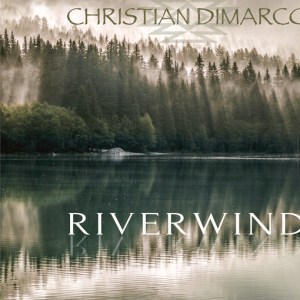
His recorded output is as wide-ranging as his live work. His latest release, Riverwind, is described as music inspired by nature, the forests, and the Native American Flute. Across his broader discography — available in full on Bandcamp — his music spans ambient, tribal, meditation, and dance, and includes brainwave entrainment music, hybrid cinematic compositions, and tribal soundscapes. These recordings are designed to extend the sound healing experience into daily personal practice.
Based in Melbourne, Dimarco travels regularly to lead sound journeys, workshops, retreats, and concerts, and to bring live music to yoga events and lifestyle festivals. He also facilitates private and corporate events, weddings, ceremonies, and wellness retreats, offering both in-person and online events through social media and private groups. Workshops — available solo and in group formats — focus on the health benefits of music-making and offer hands-on guidance in overtone singing, didjeridu, and world flutes.
What's Next
Listening Journey
Discography
Curated by BrightStar
Lineage & Inspiration
The teachers, lineages, and practices that shape Christian Dimarco's path.
Practice
Facilitates experiential sound journeys, using gong and world instruments to support deeper awareness and self-healing, for over a decade.

Practice
Uses overtone singing alongside didjeridu and gong as a core element of his sound journeys.

Practice
His primary instrument. He plays it for meditation, ambient and tribal sound work.
Worth Knowing
Christian Dimarco is a Melbourne-based multi-instrumentalist and producing artist who works as both a musician and a sound healer, and he has been facilitating sound journeys for more than a decade. His instrument palette is unusually specific: didjeridu, ethnic woodwinds, world flutes, gong, and overtone singing, woven into an experiential format designed to move listeners toward deeper awareness and self-healing. Listeners who follow him tend to value the slow, sustained experience of a session more than conventional song structure, especially in a live gong bath or sound journey where the audience stays still while the sound shifts around them. His recorded output ranges from ambient and meditation music to hybrid cinematic and tribal soundscapes, which gives his catalogue more range than most sound-healing artists. He also brings live sound into weddings, yoga studios, and wellness retreats, so his work reaches both dedicated meditators and event organisers. That combination of studio recordings and hands-on practice is what separates him from artists who only release albums.
The available record does not name a formal teacher or initiatory lineage behind Christian Dimarco's work, so placing him in a specific guru line would be guesswork. What the material does show is a set of cultural reference points. His approach draws on the long-held view in many ancient cultures that sound can alter consciousness and deepen meditation, which places his practice within a broad, cross-cultural sound-as-medicine tradition rather than a single school. The didjeridu belongs to Aboriginal Australian musical practice, and overtone singing has deep roots in Tuvan and Tibetan culture, so his instrument choices are rooted in specific traditions even though his framing is eclectic. His use of the Native American Flute on Riverwind follows a similar pattern of cross-cultural borrowing. He also cites Japanese scientist Dr Masaru Emoto's water-crystal experiments, but those claims about sound and molecular structure are not accepted by mainstream science, so students should weigh that framing with skepticism. Overall, his work reads as a modern, eclectic sound-healing practice with ancient roots rather than a traditional transmission.
Riverwind is the one release named in the available material, and it is the most logical entry point for a newcomer. It is music inspired by nature and forests, built around the Native American Flute, so it offers a gentle introduction to his wider interest in wind instruments and natural acoustics. From there, the full discography is available on Bandcamp, which lets a listener move through his meditation music, brainwave entrainment releases, and hybrid cinematic and tribal soundscapes in whatever order suits their practice. Because the material available here does not include a detailed catalogue breakdown, it is not possible to rank the other releases with confidence. Newcomers who want the live version should consider attending a sound journey or gong bath, since the recordings capture only part of the experience. Starting with one flute-led album and then attending a session is a practical sequence that tests whether the slow, drone-heavy style suits the listener before committing to the full catalogue.
Many sound-healing artists work in one register, usually either pure drone ambient or chant-based meditation, but Christian Dimarco moves between ambient, meditation, brainwave entrainment, and tribal soundscapes within the same body of work. His instrumental vocabulary is also distinctive, combining didjeridu, ethnic woodwinds, world flutes, gong, and overtone singing rather than relying on a single signature tone. The brainwave entrainment releases are a deliberate category that many ambient artists avoid, because they are built around a specific functional intention rather than atmosphere alone. His hybrid cinematic and tribal work adds rhythmic and percussive pulse to material that would otherwise be static, which makes it more adaptable for ceremony and movement. Finally, his decade of facilitating live sound journeys means the studio work is shaped by in-room experience. Listeners who want that combination of functional intention, instrumental range, and live practice will find it harder to match elsewhere in the sound-healing space.
Christian Dimarco's work is not a good fit for listeners who want conventional songs, with verses, choruses, and sung lyrics driving the experience, since the voice in his sessions is used for overtone singing rather than narrative. Fans of high-tempo electronic music or club-oriented dance will find the meditation and ambient releases far too slow, although the tribal and hybrid soundscapes carry more pulse and are the closest the catalogue gets to movement. People who need a clinical or therapeutic outcome should also be cautious, because the sound-healing framing rests partly on ideas about energy and vibration that lack mainstream scientific support, including the Emoto-derived claims about water. Listeners sensitive to low-frequency drones may find didjeridu and gong sessions physically intense, particularly in enclosed rooms. Those who prefer quiet, unobtrusive background music may find the live gong work more demanding than they expected. Matching the listener to the right release, rather than the artist name alone, is the best way to avoid disappointment.
The most reliable starting point is the official website at christiandimarco.com, which hosts the event calendar and links to his other channels. Two dated events are currently listed: a performance at Red Devil Park in Byron Bay, Australia, on 27 November 2026, and a stop at the Esalen Institute in Big Sur, United States, on 8 March 2027. Byron Bay is a coastal town with a strong wellness and lifestyle culture, which suits an open-air sound event, while Esalen is one of the longest-running retreat centres in the United States and a natural home for experiential workshops. Christian is based in Melbourne and often travels to facilitate sound journeys, workshops, retreats, and concerts, so additional dates are likely to appear beyond the two currently listed. New releases are published on Bandcamp, and people who join his community receive free music and exclusive offers. He also runs events online on social media and in private groups, which is the most direct way to hear about sessions between tours.
Christian Dimarco's music is built around sustained tones rather than melodic phrases, with the didjeridu providing a continuous low drone that anchors most of his meditation work. Overtone singing adds a second layer, where the voice produces audible harmonics above a fundamental pitch, giving the sound a hovering, almost metallic quality. Ethnic woodwinds and world flutes enter as melodic accents, often sitting above the drone in a way that feels improvised rather than composed. Gong adds a wash of slowly decaying metallic resonance, which dominates his live sessions and gives them their immersive character. The pacing is deliberately slow, with long arcs that can run for extended periods without rhythmic change, though the hybrid cinematic and tribal soundscapes introduce percussive layers and a more forward momentum. Newcomers often find the first listen disorienting, because the absence of a steady beat and conventional harmonic movement asks them to listen differently than they would to pop or classical music.
Christian Dimarco plays a wide instrument set that includes didjeridu, ethnic woodwinds, world flutes, and gong, and he works with overtone singing as a vocal technique. The Native American Flute features prominently on Riverwind, which is music inspired by nature, forests, and the sound of the flute itself. As a producing artist, he shapes his own recordings, so the production choices are closely tied to his performance practice. The material available does not name any specific collaborators, producers, or session musicians, so it is not possible to say who else appears on his recordings. Listeners interested in a particular collaborator should check the liner notes on Bandcamp or contact him directly through his website. The absence of named collaborators reinforces the sense that his work is largely a solo, self-contained practice centred on his own instruments and voice.
Christian Dimarco's catalogue includes several categories that map naturally onto specific practices, although the individual track titles are not available in the material here. His brainwave entrainment music is designed around a functional intention, making it the most purposeful choice for focused meditation sessions where listeners want a steady, non-varying sound. The meditation music category suits seated practice, since its slow drones and sparse flute lines leave room for attention to drift inward. Riverwind, with its nature and forest themes, suits outdoor or contemplative practices and gentle breathwork. The hybrid cinematic and tribal soundscapes carry the most rhythmic pulse, which makes them more suitable for ceremony and movement-based settings. Because he regularly brings live music to yoga studios and wellness retreats, his sets are already tested in group practice settings. Students planning a specific practice should preview the Bandcamp tracks before committing, since pacing varies significantly across the catalogue.
Christian Dimarco teaches through workshops and guidance that are available solo or in groups, focused on overtone singing, didjeridu, and world flutes. His stated aim is to help people learn to create music for its many health benefits, so the teaching centres on personal practice rather than performance polish. Live sound journeys and gong baths, which he has facilitated for more than a decade, are the more immersive side of his teaching, where participants lie or sit while the sound moves through the room. Sessions also run online through social media and private groups, which gives students who cannot travel a way to join. The experience is slow and sensory rather than instructional in a conventional sense, with much of the learning coming from listening closely and attempting technique at one's own pace. Students expecting a rigid curriculum may find the flexibility of the format unfamiliar, but those drawn to experiential learning will likely find it suits them.
Discover More
Continue your journey
BrightStar is the global directory of artists, teachers, and healers in the wellness and spiritual movement. Find your next experience — or add yourself.
Browse 14,000+ curated profiles across kirtan, yoga, meditation, and beyond.
Explore directory →Kirtan, retreats, sound baths, breathwork, ceremonies — happening this week.
Browse events →Are you an artist, teacher, or healer? Get listed — free, AI-assisted, live in minutes.
Get started →


