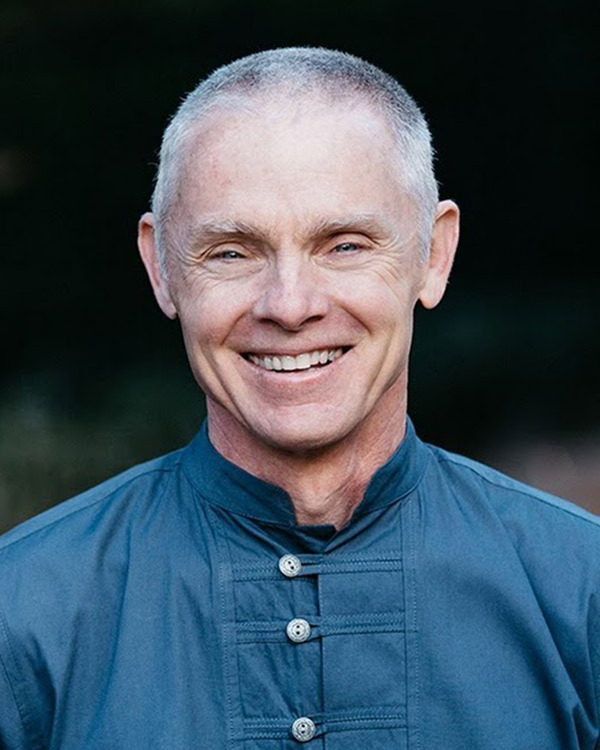

The Best Entry Point: Infinite Flow
Start with Infinite Flow (2025), Adyashanti's most comprehensive audio collection. With 35 tracks, this album offers the breadth you need to understand his approach without committing to a book-length text. The format—listening rather than reading—matters here. Adyashanti's delivery is remarkably ordinary, almost conversational, which is exactly the point. He doesn't perform enlightenment; he speaks from it. This collection gives you multiple angles on core concepts like self-inquiry, the nature of awareness, and what happens when you stop trying to become spiritual.
The advantage of Infinite Flow is volume. Not every teaching will land on first listen. Some tracks will sound abstract, others obvious. This is normal. You're looking for the one or two segments that create a small rupture in your usual way of seeing. That's the entry point.
After That: Build a Foundation
Once you've spent time with Infinite Flow, move to Depths of Consciousness (2024). This 8-track release offers more focused material. By now you'll have a sense of Adyashanti's vocabulary—awareness, presence, the separate self, the ground of being. Depths of Consciousness goes deeper into the mechanics of awakening without becoming technical.
Next, try "I Am (Meditation Mix)" (2024) and "Unity (Meditation Mix)" (2024). These shorter pieces introduce his guided meditation style. Unlike his talks, these are participatory. You're not analyzing concepts; you're being directed to look at your own experience. The meditation mixes are surprisingly stripped-down—no music, minimal ambiance, just instruction.
Follow with Vast Space (2024) for his teaching on spaciousness and the recognition that awareness itself is what you are, not something you do.
What to Expect on First Encounter
Adyashanti will sound simpler than you expect. There's no exotic terminology, no Sanskrit mantras, no insider language. He says things like "just stop" and "notice what's here" and "the separate self is a contraction." First-time listeners often think they've understood immediately—then realize days later they haven't been living from that understanding at all.
You may also feel nothing. His teaching isn't designed to create peak experiences. It's pointing to something that's already present but overlooked. The first encounter often registers as intellectually interesting but emotionally flat. This flatness is actually significant—it means you're hearing the teaching through the filter of expectation rather than directly.
Common Misunderstandings
Beginners frequently mistake Adyashanti's teaching for positive thinking or self-help. It's neither. He's not helping you improve your life; he's questioning whether the "you" who wants improvement is what you actually are. This isn't psychology. It's ontology.
Another misunderstanding: thinking his teaching is passive or nihilistic because he emphasizes "non-doing." Adyashanti is pointing to a different source of action—one that doesn't originate from the anxious, controlling self. This confuses people who equate spirituality with effort.
Finally, people assume because his style is accessible that the teaching itself is easy. It's not. Recognizing your true nature is simple, but living from that recognition dismantles everything you've built your identity around.
When This Work Lands Hardest
Adyashanti's teaching tends to hit during transition: career dissolution, relationship endings, the death of someone close, or the exhaustion that comes from decades of spiritual seeking that hasn't delivered. It lands when you're tired of yourself—not depressed necessarily, but worn out by the maintenance of a separate identity.
It also lands when earlier spiritual experiences have faded and you realize that temporary states of consciousness aren't the answer. Adyashanti teaches awakening as recognition, not acquisition. This appeals to people who've already tried to acquire it.
Your One-Week Starter Plan
Day 1-2: Listen to the first 10 tracks of Infinite Flow without taking notes. Just listen.
Day 3: Choose one track that created a question or confusion. Listen again. Sit with the confusion.
Day 4-5: Work through Depths of Consciousness. Notice which concepts repeat.
Day 6: Do the guided meditation from "I Am (Meditation Mix)." Follow the instructions exactly.
Day 7: Listen to Vast Space, then sit in silence for 20 minutes. Don't meditate—just sit as awareness noticing what's present.
After this week, you'll know whether Adyashanti's teaching speaks to you or not. If it does, the work isn't consuming more content. It's living the question he's posing.