BrightStar

Alle Events durchsuchen

Discover conscious gatherings

events

Yoga
Meditation
Breathwork
Qigong
Tai Chi
Sacred Music
World Music
Medicine Music
Sound Healing
Ecstatic Dance
Beliebte Reiseziele
BaliSedonaLos AngelesCosta RicaNew YorkSan FranciscoAustinMiamiJoshua TreeTulum
Alle Kategorien anzeigenAlle Reiseziele anzeigen

Alle Funktionen entdecken

Leistungsstarke Tools für Ihre Veranstaltungen

Plattform-Funktionen

Intelligente dynamische Preisgestaltung
Ticket-Kategorien
Sitzplatzreservierung
Warenkorbabbruch-Wiederherstellung
Besucher-Wiedergewinnung
Spenden & Staffelpreise
Affiliate-System
Ticket-Scanner
Rabattcodes
Individuelle Fragen
Ticket-Teilen
Upsells & Add-ons
Analysen & Berichte
E-Mail-Sequenzen
Warteliste / Benachrichtigen / Erinnern
Menschen & Orte
Artists & TeachersEvent OrganizersVenues & StudiosKnowledge BaseGlossaryInspiration
Alle Funktionen anzeigenÜber uns
PreiseBlog
Alle Veranstaltungen durchsuchen

events

YogaMeditationBreathworkQigongTai ChiSacred MusicWorld MusicMedicine Music

Beliebte Reiseziele

BaliSedonaLos AngelesCosta RicaNew YorkSan Francisco

Menschen & Orte

Artists & TeachersEvent OrganizersVenues & StudiosKnowledge BaseGlossaryInspiration

Plattform-Funktionen

Intelligente dynamische PreisgestaltungTicket-KategorienSitzplatzreservierungWarenkorbabbruch-WiederherstellungBesucher-WiedergewinnungSpenden & StaffelpreiseAffiliate-SystemTicket-ScannerRabattcodesIndividuelle FragenTicket-TeilenUpsells & Add-onsAnalysen & BerichteE-Mail-SequenzenWarteliste / Benachrichtigen / Erinnern
Alle Funktionen anzeigenÜber uns
PreiseBlog
AnmeldenSuchendeKreative
Tibetan BuddhistOm Mani Padme Hum · Om Mani Padme Hum · Om Mani Padme Hum · Om Mani Padme Hum · Om Mani Padme Hum ·
  • Alle Events durchsuchen
  • Für Suchende
  • Yoga
  • Meditation
  • Breathwork
  • Qigong
  • Tai Chi
  • Sacred Music
  • Retreats
  • Workshops
  • Alle Kategorien →
  • Bali
  • Sedona
  • Los Angeles
  • Costa Rica
  • Tulum
  • Byron Bay
  • San Francisco
  • Austin
  • Alle Städte →
  • Für Kreative
  • For Teams
  • Für Autoren
  • Für Lehrer
  • Für Kirtan-Künstler
  • Für Studios
  • Für Festivals
  • Für Retreat-Zentren
  • Für gemeinnützige Organisationen
  • Markenbotschafter
  • Fallstudien
  • Seva
  • Elevate
  • Amplify
  • 350.000+ Käufernetzwerk
  • Warenkorbabbruch-Wiederherstellung
  • Intelligente dynamische Preisgestaltung
  • Ticket-Kategorien
  • Wiederkehrende Veranstaltungen
  • Sitzplatzreservierung
  • Affiliate-System
  • Warteliste / Benachrichtigen
  • Ticket-Scanner
  • Einbettungs-Widget
  • Event Syndication
  • Message Center
  • Integrations
  • Reports
  • Alle Funktionen →
  • Über uns
  • The Ecosystem
  • Blog
  • Glossar
  • Inspiration
  • Hilfe-Center
  • Kontakt
  • API-Dokumentation
  • Marken-Assets
  • Karriere
  • Presse
  • Nutzungsbedingungen
  • Datenschutzrichtlinie

Events

  • Alle Events durchsuchen
  • Für Suchende
  • Yoga
  • Meditation
  • Breathwork
  • Qigong
  • Tai Chi
  • Sacred Music
  • Retreats
  • Workshops
  • Alle Kategorien →

Reiseziele

  • Bali
  • Sedona
  • Los Angeles
  • Costa Rica
  • Tulum
  • Byron Bay
  • San Francisco
  • Austin
  • Alle Städte →

Für Kreative

  • Für Kreative
  • For Teams
  • Für Autoren
  • Für Lehrer
  • Für Kirtan-Künstler
  • Für Studios
  • Für Festivals
  • Für Retreat-Zentren
  • Für gemeinnützige Organisationen
  • Markenbotschafter
  • Fallstudien
  • Seva
  • Elevate
  • Amplify

Funktionen

  • 350.000+ Käufernetzwerk
  • Warenkorbabbruch-Wiederherstellung
  • Intelligente dynamische Preisgestaltung
  • Ticket-Kategorien
  • Wiederkehrende Veranstaltungen
  • Sitzplatzreservierung
  • Affiliate-System
  • Warteliste / Benachrichtigen
  • Ticket-Scanner
  • Einbettungs-Widget
  • Event Syndication
  • Message Center
  • Integrations
  • Reports
  • Alle Funktionen →

Unternehmen

  • Über uns
  • The Ecosystem
  • Blog
  • Glossar
  • Inspiration
  • Hilfe-Center
  • Kontakt
  • API-Dokumentation
  • Marken-Assets
  • Karriere
  • Presse
  • Nutzungsbedingungen
  • Datenschutzrichtlinie
BrightStar
© 2026 BrightStar. Alle Rechte vorbehalten.
Back to Adrian Freedman
Who Is Adrian Freedman? Life, Work, and Legacy
Biography

Who Is Adrian Freedman? Life, Work, and Legacy

Adrian Freedman occupies an unusual position in contemporary music: he is neither a traditional Japanese musician nor a Western composer appropriating exotic instruments, but rather someone who has undergone the rigorous discipline required to speak fluently…

Adrian Freedman
Adrian Freedman
Jul 18, 2026
4 min read
Read · 7 sections

Who Is Adrian Freedman? Life, Work, and Legacy

The Bridge Between Tradition and Ceremony

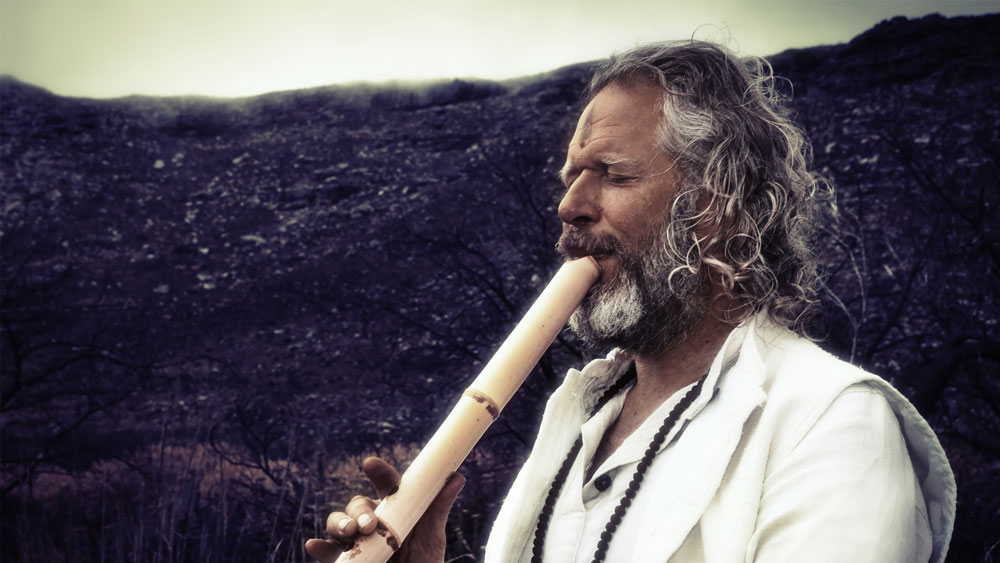
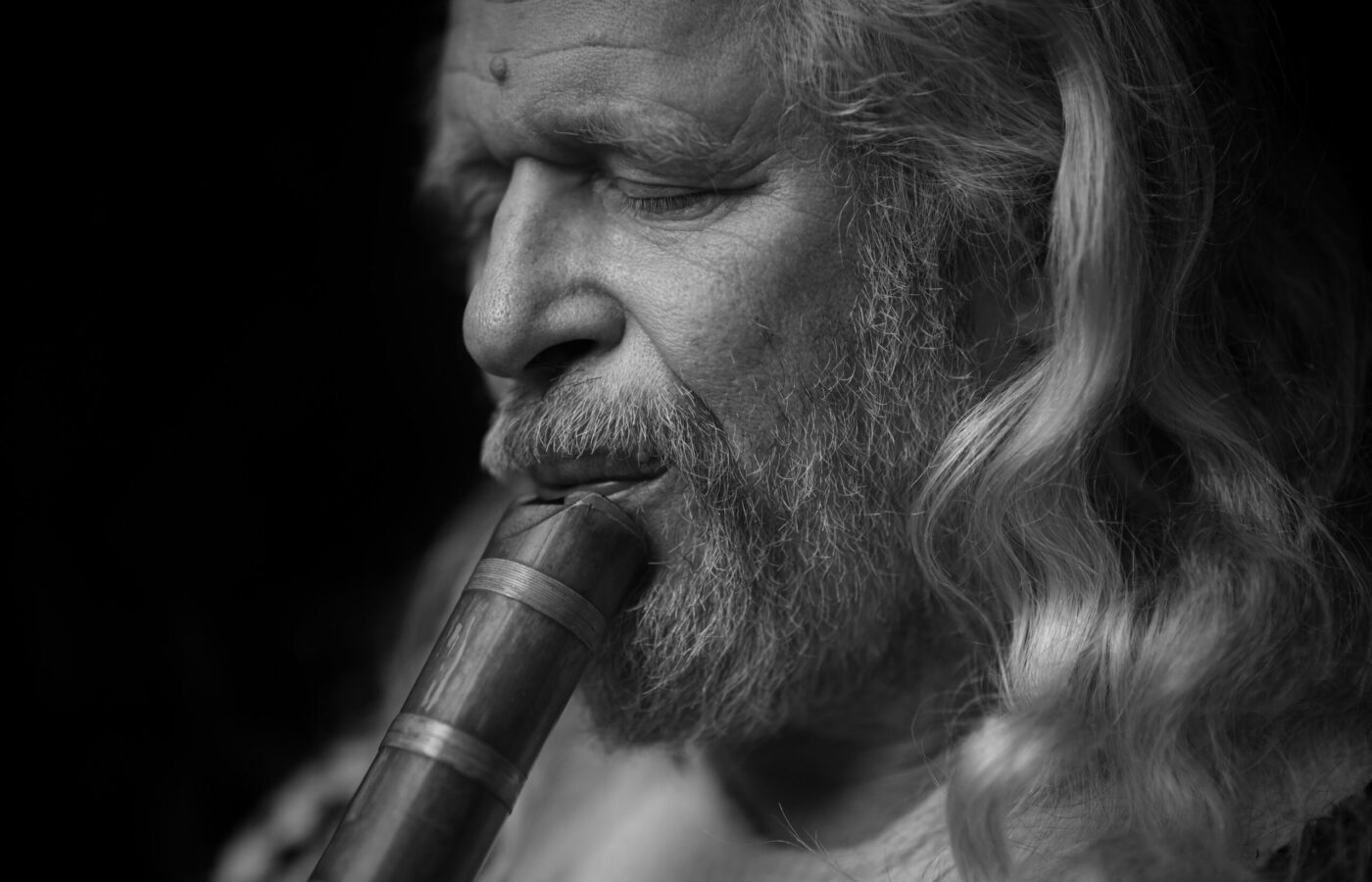
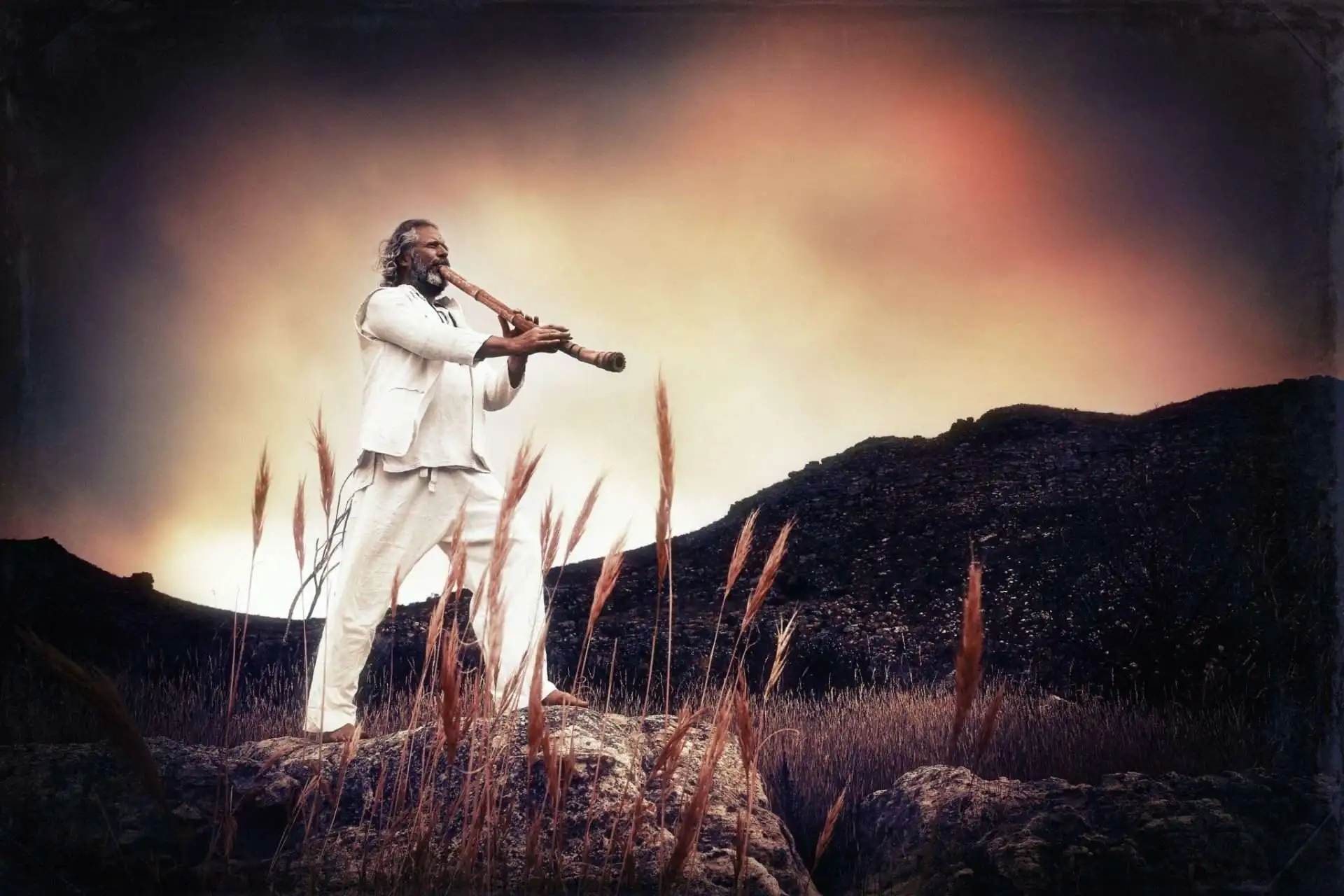
Adrian Freedman occupies an unusual position in contemporary music: he is neither a traditional Japanese musician nor a Western composer appropriating exotic instruments, but rather someone who has undergone the rigorous discipline required to speak fluently in both languages. As a composer and shakuhachi player, Freedman has spent decades working at the intersection of the Japanese bamboo flute tradition, Buddhist contemplative practice, and the ceremonial use of plant medicines—a convergence that positions him as something more than a performer or recording artist. He is, in effect, a musical practitioner whose work serves the interior lives of his listeners.

From British Conservatory to Japanese Apprenticeship

Born in the United Kingdom, Freedman's musical education began conventionally enough. He studied at Manchester University and later at the Guildhall School of Music and Drama in London, institutions that would have equipped him with the formal tools of Western composition and performance. But something in that trajectory proved insufficient. Rather than pursuing the expected path of a British-trained composer, Freedman made the far less common choice to relocate to Japan, where he would spend seven years studying under Grand Master Yokoyama Katsuya, one of the twentieth century's most respected shakuhachi masters.

This apprenticeship was not a brief cultural immersion or a workshop residency—it was a traditional, demanding transmission of knowledge that few Westerners undertake with such commitment. The shakuhachi, a deceptively simple end-blown bamboo flute with five holes, requires years to produce even a controlled tone, and mastery of its microtonal inflections, breath techniques, and spiritual dimensions can take a lifetime. Under Yokoyama's tutelage, Freedman learned the honkyoku repertoire: the meditative pieces historically played by the komusō, itinerant Zen monks of the Fuke sect who used the instrument as a form of "blowing meditation." This lineage grounds everything that followed in Freedman's work.

Zen Heart Medicine Music

What Freedman developed through this training is a practice he calls "Zen Heart Medicine Music"—a framework that treats the shakuhachi not as concert material but as an instrument of transformation. This is the core of his contribution: the integration of a centuries-old Japanese contemplative tradition with the contemporary ceremonial use of plant medicines and Buddhist meditation practices. Unlike musicians who borrow world instruments for texture or atmosphere, Freedman approaches the shakuhachi as inseparable from its spiritual lineage, while simultaneously extending that lineage into new contexts.

His compositions and medicine mantra songs draw on the breath-based phrasing and microtonal palette of traditional honkyoku, but they also incorporate influences from shamanic and devotional traditions. The result is music designed explicitly for use in meditation, healing ceremonies, and plant medicine journeys—contexts where music is not performed for an audience but offered as a container for interior experience. Freedman employs extended techniques from the Kinko-ryū and Tozan-ryū schools of shakuhachi, often layering them with vocal mantra, drone, and field recordings to create sonic environments conducive to deep states of consciousness.

Collaborative Practice and Recorded Work

Much of Freedman's work unfolds in collaboration with other musicians and ceremonial practitioners. He creates scores and live improvisations for group settings, functioning less as a solo artist and more as a facilitator of collective experience. His discography includes original albums and collaborative projects, released through channels that serve the meditation and healing communities as much as they do traditional music audiences. With over 46,000 followers on Spotify, his reach extends into a substantial listener base seeking music that serves contemplative and ceremonial purposes.

This is not music made for the concert hall or the critical establishment, though it is no less rigorous for that. Freedman's work exists in a parallel ecosystem—one inhabited by meditation teachers, ceremonialists, yoga practitioners, and individuals engaged in various forms of inner work. His audience is global but specific: people for whom music is not entertainment but technology, a means of accessing states that words and concepts cannot reach.

Cultural Significance in a Time of Spiritual Seeking

Freedman's significance lies precisely in his refusal of easy categories. He is not a "world music" artist in the conventional sense, nor is he a New Age composer trading in ambient pastiche. He has done the traditional work—the years of formal apprenticeship, the embodiment of a lineage—while also being willing to bring that tradition into dialogue with other wisdom streams, particularly those emerging from the contemporary renaissance of plant medicine ceremony and Buddhist practice in the West.

In this sense, Freedman represents a broader cultural phenomenon: the search for practices that address the interior life with the same seriousness that modernity applies to external achievement. His work matters because it offers a rigorously trained, deeply informed approach to music as spiritual practice—something increasingly sought after in a time when many feel unmoored from traditional religious structures yet hungry for genuine contemplative discipline.

The Ongoing Practice

Today, Freedman continues to compose, perform, and teach, sharing both shakuhachi technique and the philosophical frameworks that underpin his approach to music and spirituality. His work remains rooted in the breath, the bamboo, and the silence between notes—elements that connect contemporary listeners to a tradition of itinerant monks who walked Japan's mountain paths centuries ago, playing not for applause but for awakening. In carrying that lineage forward while opening it to new contexts, Adrian Freedman has created something rare: a body of work that honors tradition without being confined by it, and serves transformation without betraying rigor.
Adrian Freedman
AboutAdrian Freedman

Adrian Freedman is a composer and shakuhachi player who trained for seven years in Japan under Grand Master Yokoyama Katsuya. His work blends the Japanese bamboo flute tradition wi…

View profileWebsite

Continue Reading

More about Adrian Freedman

View All
Where to Start with Adrian Freedman: A Beginner's Guide
Article

Where to Start with Adrian Freedman: A Beginner's Guide

The Music of Adrian Freedman: Sound, Sacred Texture, and Lineage
Article

The Music of Adrian Freedman: Sound, Sacred Texture, and Lineage

Essential Adrian Freedman Albums: A Listening Guide
Article

Essential Adrian Freedman Albums: A Listening Guide

Adrian Freedman's Teaching: Approach, Method, and Voice
Article

Adrian Freedman's Teaching: Approach, Method, and Voice

Keep exploring

Continue your journey

More wisdom and gatherings from across the BrightStar directory.

More Articles

Browse the full library of teachings, interviews, and guides.

Back to all articles →

Teachers & Artists

Explore the lineages, musicians, and guides of the conscious world.

Explore artists →

Find an Event

Kirtan, retreats, sound baths, breathwork, festivals — happening soon.

Browse events →