Coming Up
Anhören
Listening Journey
Sound Journey
Discography

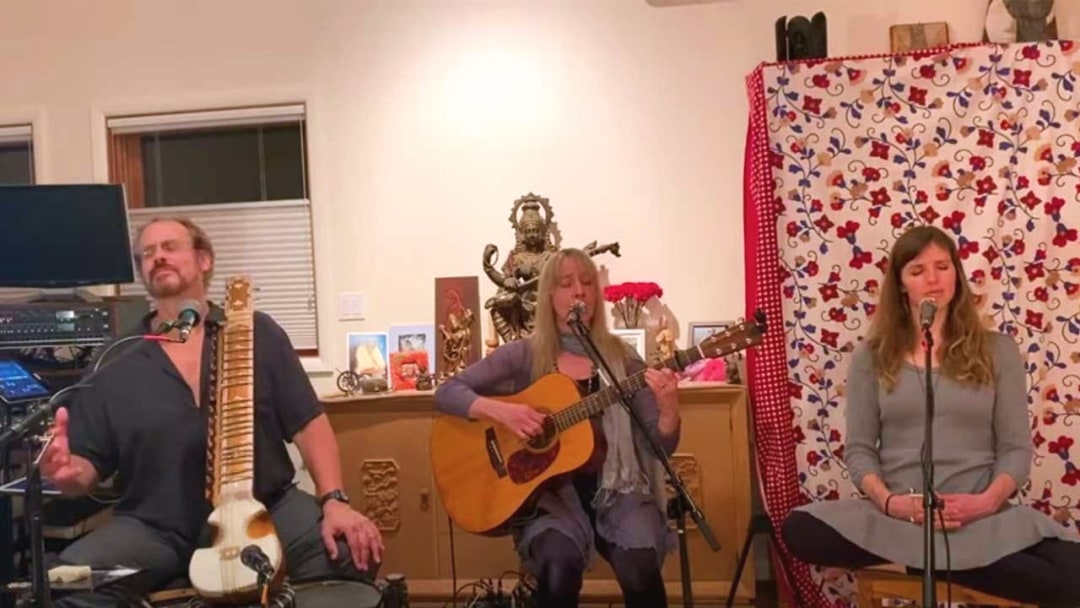
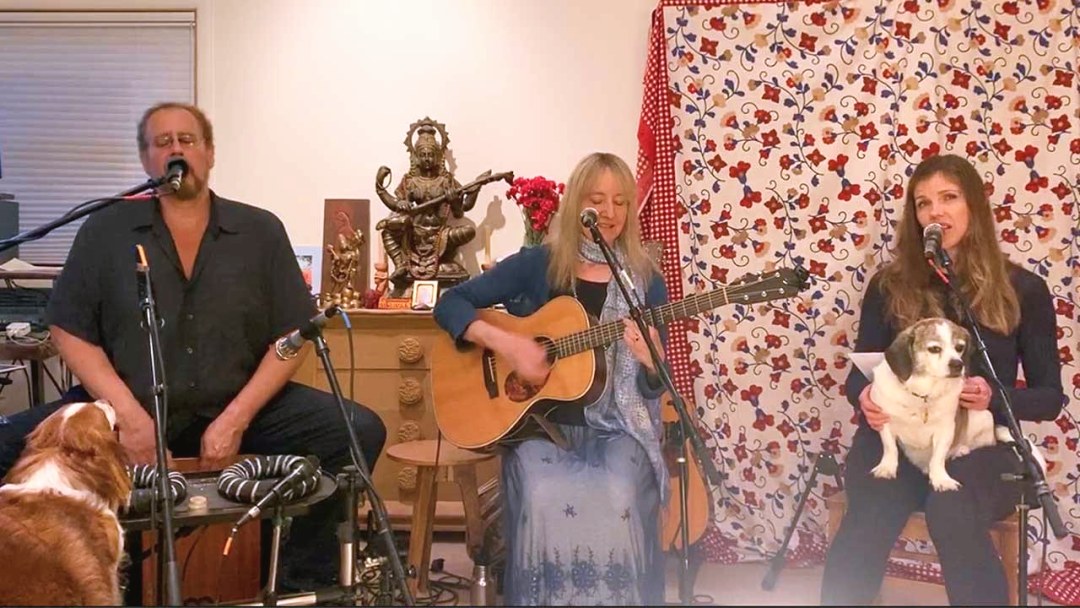
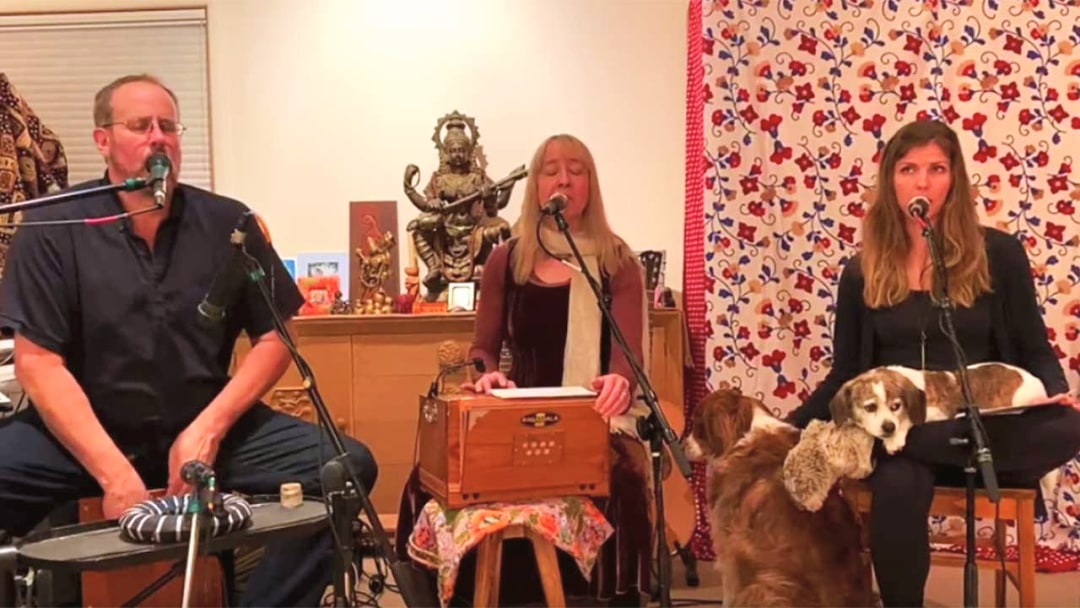

Kirtan Artist
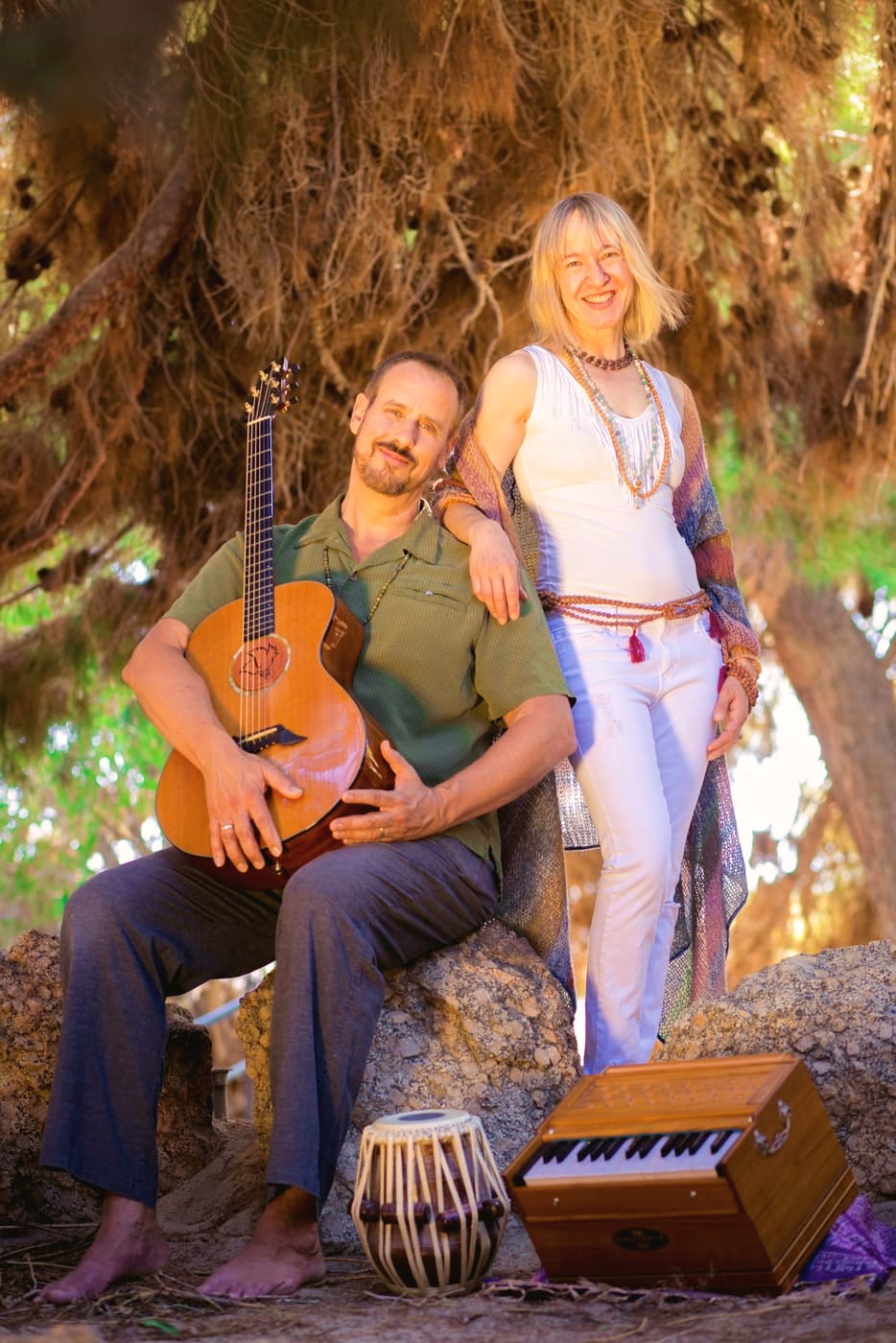
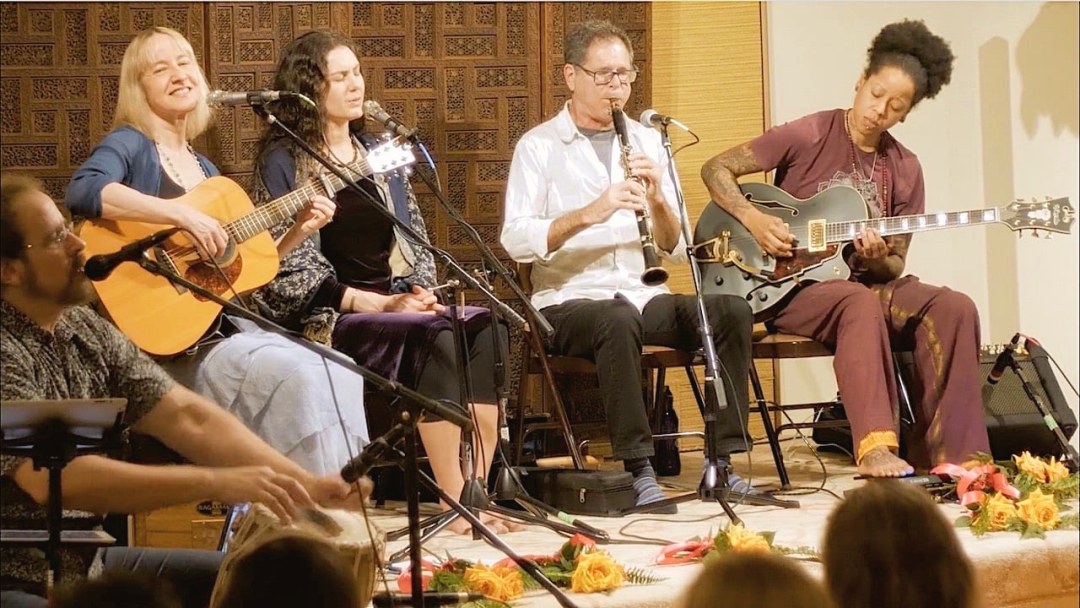
Shantala is the kirtan duo of Heather and Benjy Wertheimer, who have led sacred chanting around the world since 2001. They are known for bringing an audience into a vast and loving experience, blending their voices with the instruments of India and the West. Since 2003 they have released albums of sacred chant music, including Living Waters, Jaya, Sri and The Love Window. Yoga Journal described Sri as "an intoxicating mix of Eastern and Western."
Shantala is the kirtan duo of Heather and Benjy Wertheimer, who have led sacred chanting around the world since 2001. They are known for bringing an audience into a vast and loving experience, blending their voices with the instruments of India and the West. Since 2003 they have released albums of sacred chant music, including Living Waters, Jaya, Sri and The Love Window. Yoga Journal described Sri as "an intoxicating mix of Eastern and Western."
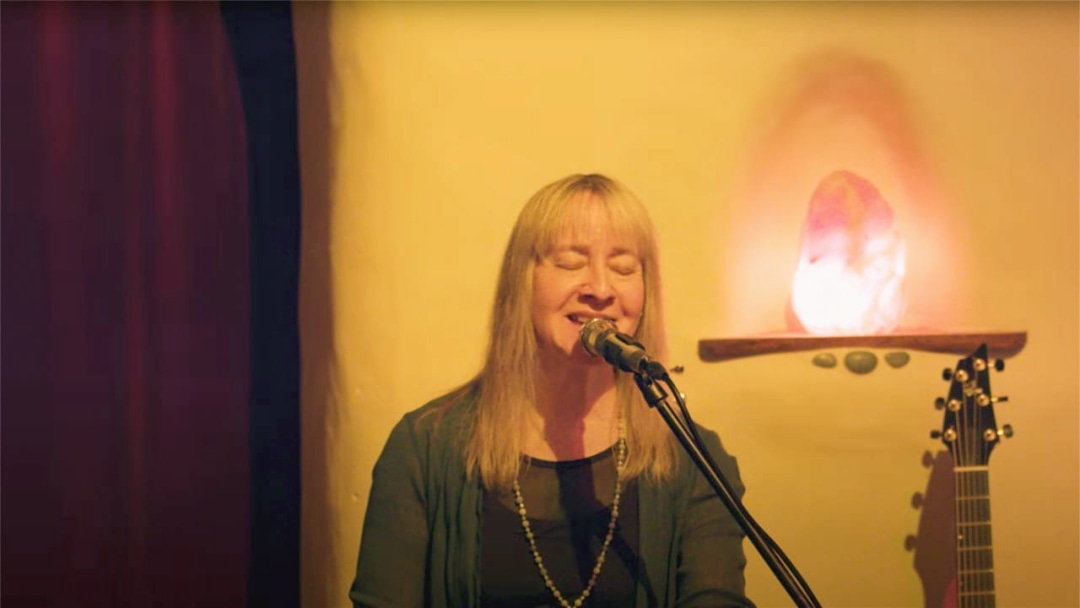
Heather Wertheimer is a kirtan artist, singer, songwriter and guitarist who brings together her love of music and yoga to lead devotional chanting. She draws on a healing background as a therapist and teacher of meditation and yoga. Her debut album with Shantala, Church of Sky, was named one of the year's top ten albums by New Age Retailer. She has toured with Benjy, Steve Gorn, Manose, and Deva Premal & Miten.
Benjy Wertheimer is a songwriter, vocalist, composer, producer and multi-instrumentalist who plays tabla, congas, percussion, esraj, guitar and keyboards. He has studied Indian classical music for over 40 years with masters including Alla Rakha, Zakir Hussain, Ali Akbar Khan and Z. M. Dagar. He is a founding member of Ancient Future and a member of The Hanumen, and has toured and recorded with Krishna Das, Deva Premal & Miten and Jai Uttal. Heather also offers individual meditation instruction.
Listening Journey
Discography
Worth Knowing
Shantala is the kirtan duo of Benjy and Heather Wertheimer, who have been creating devotional music together since 2001. They occupy a distinctive middle ground in the North American kirtan landscape—drawing on the devotional intensity that characterizes the kirtan revival while maintaining a restraint and melodic patience that sets them apart from busier contemporaries. With over 73,000 Spotify followers, Shantala has reached far beyond the yoga-studio circuit to become part of the broader conversation about how Sanskrit chant and mantra singing function as accessible spiritual practice in Western contexts. Their work sits alongside figures like Krishna Das, Deva Premal and Miten, and Jai Uttal—artists who helped establish kirtan as a genuinely popular form rather than a niche lineage practice. What draws people to Shantala specifically is the combination of their two voices as the gravitational center of their music, paired with arrangements that invite participation without demanding it.
Shantala's practice sits within the broader North American kirtan revival—a lineage that traces back to Bhakti (devotional) traditions in Hindu and yogic practice, but has been adapted and developed by Western practitioners over the past few decades. The duo draws on instruments from both Indian and Western traditions, reflecting a hybrid approach common to the contemporary kirtan scene rather than adherence to a single guru lineage or classical Indian music conservatory training. What distinguishes their approach within this tradition is the integration of melodic thoughtfulness—they don't simply repeat mantras at accelerating tempos, but treat Sanskrit chants as songs that benefit from harmonic complexity and lyrical development. Their connection to the broader kirtan community is evident in their collaborations and shared stages with Krishna Das, Deva Premal and Miten, and Jai Uttal, all key figures in establishing kirtan as a spiritual practice accessible to contemporary Western seekers. The restraint in their aesthetic reflects a particular interpretation of devotional music—one that trusts silence and space as much as sound.
For a first listener, *Living Waters* (2015) remains the most approachable entry point—it's their most polished and melodically centered album, with eight tracks that showcase the duo's ability to hold a single mantra across evolving arrangements. Starting with *Living Waters* allows new listeners to experience Shantala's core aesthetic without the intensity of their live recordings: the songs breathe, the two voices interweave clearly, and the instrumentation (harmonium, acoustic guitar, strings) feels intimate rather than overwhelming. If that resonates, listeners should then explore *LIVE2love* (2020), which captures the energy of their live performances—the same restraint and patience, but with the call-and-response dynamic that makes kirtan participatory rather than purely receptive. For those drawn specifically to Sanskrit chant and mantra singing, the 2020 singles *Govindam*, *Om Namo Gurudev Namo*, and *Aham Devo* offer concentrated doses of their devotional work, each one a different mantra explored in their characteristic melodic patience. The key is beginning with studio recordings to understand their approach before encountering the live energy, which can feel quite different if you're unfamiliar with the kirtan format.
While many kirtan artists embrace crescendo—building energy, adding layers, driving toward peaks of collective singing—Shantala moves in the opposite direction: toward openness, toward space, toward what they describe as melodic patience rather than rhythmic urgency. This restraint is not a limitation but a deliberate aesthetic choice; their arrangements tend to expand horizontally (more voices, more harmonic complexity) rather than vertically (louder, faster, more percussive). The combination of Benjy and Heather's voices as the absolute center of the music is also distinctive—they don't hide behind elaborate instrumentation or chase the high-energy devotional intensity that defines some of Krishna Das's work, for instance. Shantala's use of instruments from both Indian and Western traditions (harmonium alongside acoustic guitar and strings) creates a sonic palette that feels less "traditional Indian" and more genuinely hybrid, which appeals to listeners seeking devotional music that doesn't require prior knowledge of Indian musical conventions. Their patient approach to mantra singing means that even secular listeners or meditation practitioners unfamiliar with kirtan traditions can find entry into their work—the music functions as both Sanskrit chant and as ambient devotional art.
Shantala's restraint and melodic approach will likely disappoint listeners seeking the high-energy, ecstatic, call-and-response intensity that defines much of the contemporary kirtan scene. If you're drawn to Krishna Das's driving, rhythmically complex work or the percussive exuberance that characterizes some Western kirtan performances, Shantala's patient aesthetic will feel understated or even slow. Listeners seeking purely instrumental meditation music—without the Sanskrit chant element or the devotional framing—may find the mantra-singing focus limiting rather than expansive. Similarly, those interested in exploring Indian classical music or raga traditions will find Shantala's hybrid Western-Indian instrumentation too Westernized and their approach to melody too song-like rather than improvisational. The work also requires some comfort with Sanskrit language and devotional terminology; while prior knowledge isn't required, a listener actively resistant to spiritual or religious framings of music will likely experience Shantala's lyrics and intentions as conceptually off-putting rather than welcoming. Finally, for high-BPM electronic or upbeat world music listeners, Shantala's sound is fundamentally slow, meditative, and rooted in quiet spaces—not a poor choice, but a different one.
Shantala's sound is built on two voices (Benjy and Heather's) as the foundation, typically supported by harmonium (a hand-pumped keyboard instrument central to Indian classical and devotional traditions) and augmented by Western instruments like acoustic guitar and strings. The pacing is deliberately slow and meditative—not fast-paced or rhythmically driving, but spacious and inviting, allowing listeners to settle into the repetition of Sanskrit mantras without being pushed toward higher energy. What surprises newcomers is how much harmonic complexity sits within that restraint: their voices interweave with careful attention to melody, and arrangements often build through layering—additional voices, instrumental lines—rather than through tempo acceleration or percussion intensification. The overall aesthetic is transparency: you can always hear both voices clearly, the words (in Sanskrit) remain legible, and silence is treated as an active element rather than as empty space to be filled. The production on albums like *Living Waters* is clean and intimate, creating a sense that you're in a room with Benjy and Heather rather than watching a concert performance. Their live recordings (*LIVE2love*, *LIVE2love*) capture this same restraint but with the added dimension of group chanting—the audience participates in the mantras, but Shantala's steady, patient pace holds the center rather than whipping the crowd into crescendo.
*Living Waters* (2015) stands as their most focused and polished studio work—eight tracks of devotional material at its most melodically refined, the album that best demonstrates why the combination of their two voices matters. *LIVE2love* (2020) captures the other dimension of their practice: the live kirtan experience, recorded with audience participation, six tracks that show how their patient approach to mantra singing translates into participatory group singing without losing its meditative quality. The discography also includes their earlier studio albums *Sri* and *Jaya* (released 2003 onward, not detailed in the data but referenced in their biography), which would provide continuity for deep listeners interested in tracking how the duo's approach has evolved. For those seeking concentrated mantra work rather than full albums, the 2020 singles—*Govindam*, *Om Namo Gurudev Namo*, *Aham Devo*—are essential listening, each exploring a different sacred name across the duo's characteristic melodic patience. Their most recent releases, *Om Kara Bhajo* and *Darkness to Light* (both 2026), suggest ongoing creative activity, though those tracks are too recent to have accumulated listening history. Starting with *Living Waters* and following with *LIVE2love* gives the fullest picture of what Shantala does: refined studio devotional music and the lived, participatory version of the same work.
Shantala's core instrumentation centers on harmonium (the pump-organ essential to Indian devotional and classical music) combined with Western instruments like acoustic guitar and strings—a deliberate hybrid approach that reflects their aesthetic of accessibility without oversimplification. The data indicates that Benjy and Heather's voices are always the gravitational center, meaning the instrumental arrangements support rather than compete with their singing. While the discography doesn't detail producer or session musician credits, the biography notes that Shantala has shared stages and studio time with Krishna Das, Deva Premal and Miten, and Jai Uttal—major figures in the contemporary kirtan world. These collaborations suggest that Shantala operates within a collaborative community of devotional musicians rather than within a closed lineage structure. The instrumentation varies slightly across albums and recordings: *Living Waters* demonstrates a more chamber-like quality with string arrangements, while the live recordings naturally capture the dynamic of audience participation alongside their primary duo format. For anyone interested in the technical details of their production or specific session musicians, their official website (shantalamusic.com) would provide more granular information, but the albums themselves make clear that Shantala prioritizes clarity of voice and restraint in arrangement over instrumental complexity.
The entire Shantala catalog is designed for meditative listening, though certain tracks lend themselves more readily to specific practices. *Govindam* (2020) and *Om Namo Gurudev Namo* (2020)—both single-track releases—work well as meditation anchors because they're concentrated explorations of a single mantra, ideal for practitioners seeking a sustained focal point across a 10-20 minute sitting. For yoga asana (posture) practice, particularly restorative or yin-style classes, *Living Waters* provides the gentlest entry point—its eight tracks maintain consistent pacing and melodic development without sudden shifts in energy or intensity. The live recordings (*LIVE2love*, *LIVE2love*) capture the kirtan ceremony format itself—call-and-response group chanting—and would suit practitioners specifically seeking to experience the participatory, communal dimension of devotional music, though they're less ideal for solo meditation. *Aham Devo* (2020), with its invocation of divinity within the self, carries particular relevance for practitioners working with self-inquiry or Advaita Vedanta approaches to yoga. For those designing sacred space or ritual contexts, the 2020 release *I Will Stand With You* (which includes a video version) suggests a more contemporary approach to chant-based music that might bridge traditional devotional content with more accessible, activist framings. Listeners should approach Shantala's work as music that sustains quiet attention rather than music that actively directs you into meditative states—it clears space for practice rather than doing the practice for you.
Shantala maintains a presence across all major streaming platforms: Spotify (where they have over 73,000 followers), Apple Music, and YouTube. Their official Spotify artist page (spotify.com/artist/6z6YXTlyMCY6fvT79yxDgi) provides access to their complete discography, from *Living Waters* through their most recent 2026 releases *Om Kara Bhajo* and *Darkness to Light*. Apple Music offers the same catalog with potentially higher audio quality for subscribers prioritizing fidelity. YouTube (youtube.com/user/shantalamusic) includes both official album tracks and, likely, live performance footage and behind-the-scenes content. For purchase (rather than streaming), Bandcamp is a common platform for devotional and independent musicians, though the data doesn't confirm whether Shantala uses that specific platform. Their official website (shantalamusic.com) would provide definitive information about merchandise, direct purchase options, or limited-edition physical formats (CDs, vinyl) if those exist. For listeners committed to offline ownership, most Shantala albums are available through standard digital music retailers like iTunes or Amazon Music. The most practical entry point remains Spotify or Apple Music if you have a subscription—start with *Living Waters* and stream through before deciding whether to purchase anything.
Bist du das? Diese Seite beanspruchen ›
Continue your journey
BrightStar is the global directory of artists, teachers, and healers in the wellness and spiritual movement. Find your next experience — or add yourself.
Browse 14,000+ curated profiles across kirtan, yoga, meditation, and beyond.
Explore directory →Kirtan, retreats, sound baths, breathwork, ceremonies — happening this week.
Browse events →Are you an artist, teacher, or healer? Get listed — free, AI-assisted, live in minutes.
Get started →