Sanatana Yog Sandesh — Rishikesh, India
Traditional Tantra & Yoga teacher training in Tapovan, Rishikesh
Sanatana Yog Sandesh is a residential yoga school and retreat center in Tapovan, Rishikesh, India, known for teacher training courses and retreats grounded in traditional Tantra and applied Yogic Science. Its programs are certified by Yoga Alliance USA and Yoga Alliance International, and the school explicitly distances itself from modern yoga styles — Iyengar, Ashtanga, Acro, Yin, Bikram, and Power yoga are not taught here. The lineage runs through the teachings of Ramakrishna Mission, Sri Aurobindo Society, Yogoda Satsang Society of India, and Bihar School of Yoga, a constellation of classical Indian institutions that gives the curriculum its particular doctrinal weight. The school's founder is Rohit Kumar, who leads courses and private sessions alongside a team of assistant teachers. One of the more unusual offerings on the calendar is the Prashant Jivan Darshanam Yoga Retreat, which transmits the teachings of Baba Shantananda — a figure who preached in India for fourteen years before withdrawing to a secluded life in the Himalayas. The retreat is coordinated worldwide by direct disciples, with no fee charged for the teaching itself; voluntary offerings are accepted. It is currently open only to men. Teacher training runs at three levels. The 200 Hours Hatha Yoga Teacher Training Course covers Asana, Pranayama, Mudra, Bandha, and Satkarma at foundational depth over twenty-one days. The 300 Hours Hatha Yoga Teacher Training Course is a fully residential program extending those components into systematic theory and advanced practice. Beyond Hatha, the school offers 300-hour courses in Kriya Yoga, Kundalini Yoga, Raja Yoga, and Bhakti Yoga, all available onsite in Rishikesh and online. A 500 Hours Hatha Yoga Teacher Training Course completes the progression. Retreats include a Yoga Retreat, Meditation Retreat, Yoga Therapy Training Retreat, 100 Hours Women Yoga Training Retreat, and 100 Hours Children Yoga Training Retreat — the last structured for three age groups: five to eight, nine to twelve, and thirteen to sixteen years. Daily drop-in classes at Tapovan cover Asana, Pranayama, Yoga Nidra, Yoga for Couples, Yogic Cleansing, Yogic Healing, Sound Healing, Yoga Therapy, Asana Alignment, and Study of Scriptures, run on appointment across a weekly timetable. The school's primary accommodation partners are Ved Bhoomi Residency and Hotel Shiv Yoga, both located in Tapovan. Rooms are furnished with attached bathrooms, geysers, air conditioning, fans, and Wi-Fi. The yoga hall is spacious, well-ventilated, equipped with yogic tools, and laid with soft flooring. Meals are strictly vegetarian — breakfast, lunch, and dinner — prepared to suit a Yogic lifestyle, with filtered water provided. The Tapovan neighborhood places students close to local markets, ancient temples, and the Ganga. The school draws both international and Indian students, from complete beginners at the foundational level to practicing teachers and sincere spiritual practitioners seeking advanced study. Online programs, running since 2015 with particular reach into Scandinavian countries and Europe, combine live classes, self-study, assignments, and recorded video. The school's stated aim across all formats is a Yogic lifestyle orientation: practices sequenced to be performed in ninety minutes, blending Asana, Pranayama, Pratyahara, and Dharana into a form that can be carried into daily life.
Traditions: Hatha Yoga, Kriya Yoga, Kundalini Yoga, Raja Yoga, Bhakti Yoga, Tantra, Yoga Nidra, Pranayama
Programs: 200 Hours Hatha Yoga Teacher Training Course, 300 Hours Hatha Yoga Teacher Training Course, 500 Hours Hatha Yoga Teacher Training Course, 300 Hours Kriya Yoga Teacher Training Course, 300 Hours Kundalini Yoga Teacher Training Course, 300 Hours Raja Yoga Teacher Training Course, 300 Hours Bhakti Yoga Teacher Training Course, Yoga Retreat in Rishikesh, Meditation Retreat in Rishikesh, Yoga Therapy Training Retreat
Amenities: Private Rooms, Shared Rooms, Yoga Hall, Vegetarian Meals, Filtered Water, Attached Bathrooms, Hot Water (Geyser), Air Conditioning, Wi-Fi, Parking
Frequently Asked Questions
What makes Sanatana Yog Sandesh different from the dozens of other yoga schools crowding Tapovan?
This school explicitly refuses to teach modern styles — no Ashtanga, no Iyengar, no Bikram, no Vinyasa flow classes. Instead, it draws lineage from the Bihar School of Yoga, Ramakrishna Mission, Sri Aurobindo Society, and Yogoda Satsang Society, focusing on classical Tantra and applied Yogic Science with techniques like Satkarma, Mudra, and Bandha woven into daily practice. The curriculum is methodical and slightly academic; you'll spend time on Antar Mouna and Ajapa Japa meditation rather than Instagram-friendly arm balances. The school attracts a quieter crowd — fewer gap-year travelers, more working yoga teachers looking to deepen classical knowledge or Indian students returning to traditional roots. If you're looking for a flowy, music-backed, Western-style class, you'll be frustrated here. If you want the kind of practice your teacher's teacher might have learned in the 1970s, this is one of the clearer lineage-based options in Rishikesh.
Who should skip Sanatana Yog Sandesh and look elsewhere?
If you're coming to Rishikesh for an exploratory yoga vacation with optional classes and plenty of free time to hike or café-hop, this isn't the right fit — the residential programs are structured, daily, and require commitment. People who prefer secular, alignment-focused styles like Iyengar or fast-paced Ashtanga will find the classical Hatha and Tantra approach too slow and theory-heavy. The strict vegetarian meals and spiritual framing aren't negotiable, so if you need flexibility around food or feel uncomfortable with chanting and scripture study, you'll feel constrained. First-timers expecting a spa-like retreat with massage add-ons and personal attention will be disappointed; this is a teaching school, not a pampering center. The Tapovan location is walkable to shops and cafés, but the daily schedule doesn't leave much room for sightseeing, so if you wanted equal parts yoga and Himalayan tourism, plan a separate trip.
What does a typical day actually look like during a residential teacher training?
The morning session usually begins around 6:00 or 6:30 a.m. with Pranayama and meditation techniques like Yoga Nidra or Ajapa Japa, followed by Asana practice rooted in classical Hatha postures and alignment. Breakfast is simple and vegetarian — think parathas, fruit, chai — eaten communally before a mid-morning theory session covering topics like the philosophy of Raja Yoga, anatomy, or Tantric texts. After lunch there's typically a break, though not long enough to leave the area, then an afternoon session on teaching methodology, Satkarma cleansing techniques, or Mudra and Bandha practices. Dinner is early, around 7:00 p.m., and evenings might include Mantra chanting, scripture study, or self-practice assignments. The rhythm is repetitive and monastic; people who thrive on variety or spontaneity find it draining by week two, but those who settle into the structure describe it as deeply grounding.
What's the food situation — and does the dining experience add to or detract from the retreat?
Meals are strictly vegetarian and designed to support a Yogic lifestyle, which in practice means simple, sattvic food: dal, rice, chapati, seasonal vegetables, fruit, and occasional paneer or khichdi. The food is prepared without onion or garlic, which some people find bland, especially after two weeks of the same rotation. Breakfast, lunch, and dinner are included in residential programs and served at Ved Bhoomi Residency or Hotel Shiv Yoga depending on your accommodation, in communal dining setups that encourage quiet conversation rather than social hour. There's no flexibility for vegan substitutions or Western preferences — if you need oat milk or gluten-free bread, you'll have to source it yourself from nearby Tapovan shops. The meals are filling and clean, but don't expect culinary excitement; it's fuel, not an experience, and that aligns with the school's no-frills teaching philosophy.
What are the actual differences between single and shared rooms, and is the upgrade worth it?
Both single and double rooms at Ved Bhoomi Residency and Hotel Shiv Yoga come with attached bathrooms, geysers for hot water, air conditioning, fan, and Wi-Fi, so the baseline comfort level is consistent. The main difference is privacy and floor space — shared rooms put you with one other student, usually same-gender, in a compact setup where you'll hear each other's alarms and share the bathroom schedule. Single rooms give you breathing room after long training days and the ability to decompress alone, which becomes valuable during intense weeks of early mornings and emotional processing. The cost difference is modest given the overall price range ($$), so if you're sensitive to noise, light sleepers, or prone to needing alone time to recharge, the single room upgrade pays for itself. Shared rooms work fine for social students or those on tighter budgets, but expect basic twin-bed dormitory energy, not boutique hotel intimacy.
What surprised you most — good or bad — on your first visit to Sanatana Yog Sandesh?
The good surprise is the depth of the meditation curriculum; most people come for Hatha Yoga and don't expect to spend serious hours on techniques like Vipassana, Chidakasha Dharana, and Prana Vidya, which are taught with more rigor than you'd find at drop-in studios. The bad surprise is the lack of personal feedback in larger teacher training groups — you're not getting hands-on adjustments or one-on-one coaching unless you specifically request it, which can feel impersonal if you're used to Western yoga studios. The Tapovan setting itself is noisier than expected; you're not in a silent forest ashram but in a bustling neighborhood with motorbikes, construction, and the hum of other schools nearby. The teaching is orthodox and occasionally dogmatic — the instructors aren't interested in debate or blending traditions, which some students find refreshing and others find rigid. Finally, the Wi-Fi actually works, which is rarer than you'd think in Rishikesh retreat centers, so staying connected or doing online work between sessions is feasible.
How should I think about cost — what's genuinely included, and where will I spend more?
The residential programs include accommodation, three vegetarian meals daily, all teaching sessions, course materials, and filtered water, so the headline price covers your basics without surprise add-ons. What's not included: travel to Rishikesh, airport or train station transfers, laundry, any personal excursions, and the Yoga Alliance certification fee if you want to register after completing a teacher training. You'll also spend money on incidentals like chai at nearby cafés, toiletries, extra snacks if the meal schedule doesn't suit your appetite, and potentially a few books or props if you want to bring teachings home. The school sits in the $$ range, which for Rishikesh teacher trainings means mid-tier pricing — cheaper than luxury resort programs, more expensive than bare-bones ashram stays. There's no mention of scholarships or work-trade in the bio, so assume full tuition unless you contact the school directly to ask. Budget an extra ₹5,000–10,000 for a month-long stay to cover those gaps comfortably.
What are the actual silence, religious, and fitness expectations — and will they make first-timers uncomfortable?
There's no enforced noble silence here; students talk at meals, between sessions, and in the residence halls, so it's not a Vipassana-style retreat where eye contact is banned. That said, the teaching is rooted in Hindu Tantra and classical Yoga philosophy, so you'll chant Sanskrit mantras, study texts like the Yoga Sutras, and encounter references to deities and Yogic cosmology throughout the curriculum — it's not secular or adaptable for atheists looking to avoid spirituality. Fitness-wise, the Hatha Yoga practice is accessible to beginners with reasonable mobility, but the daily schedule is physically demanding due to length and repetition, not intensity; expect soreness from sitting in meditation more than from advanced asanas. First-timers often worry they'll be the least flexible person in the room, but the classical approach emphasizes alignment and breath over acrobatics, so you won't be shamed for tight hamstrings. The bigger adjustment is mental stamina — six hours a day of practice, theory, and study requires focus, and people unprepared for that kind of endurance drop out mentally by week two.
What does the Tapovan setting actually feel like, and how does it shape the experience?
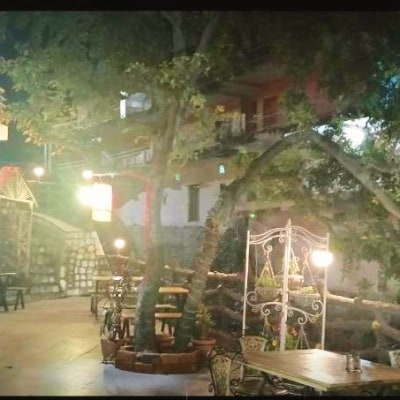
Tapovan is the densely packed yoga hub of Rishikesh, sitting on the Ganges with the Himalayas visible in the distance, but it's not a pristine nature retreat — it's a functioning neighborhood with motorbikes, street vendors, construction noise, and a steady flow of international yoga students. Sanatana Yog Sandesh doesn't own a standalone campus; students stay at Ved Bhoomi Residency or Hotel Shiv Yoga, both functional mid-range buildings within walking distance of cafés, bookshops, and other schools. The yoga hall is described as spacious, well-ventilated, and designed for group practice with soft flooring, but it's not architecturally inspiring or Instagram-worthy — think clean and purposeful, not charming. The Ganges is a five-minute walk, so students often go for morning or evening strolls along the river, which provides the only real immersion in natural beauty. The setting supports serious study but won't give you the forest ashram solitude some people imagine when they picture Rishikesh; you're in a busy, slightly chaotic spiritual marketplace, and that energy seeps into the experience.
What are the unspoken etiquette rules that trip up newcomers?
Shoes come off before entering the yoga hall and sometimes before entering accommodation buildings, but no one tells you this explicitly — you'll figure it out by watching others. Punctuality is expected; if the morning session starts at 6:00 a.m., arriving at 6:05 will earn you a pointed look from the teacher, and chronic lateness is noticed and occasionally called out. Students are expected to stay for the full duration of a residential program; leaving early or skipping sessions for sightseeing is frowned upon and disrupts the group learning dynamic. Phone use during sessions is obviously prohibited, but even checking your phone during breaks in the yoga hall is considered disrespectful — step outside if you need to text. The school draws from traditional Indian Yogic lineages, so gestures of respect like a slight bow or 'Namaste' when greeting teachers are appreciated and sometimes expected. Finally, the vegetarian food rule extends beyond meals — bringing non-vegetarian snacks into shared spaces or smelling like garlic after eating out will get you side-eye from staff and fellow students.
What should I pack that most visitors forget, and what's the weather actually like?
Rishikesh swings between uncomfortably hot in summer (April–June, reaching 40°C) and surprisingly cold in winter (December–February, down to 5°C at night), so check your program dates and pack accordingly — most visitors underestimate how cold it gets and regret not bringing a warm layer. A good water bottle is essential since you'll be drinking constantly, and while filtered water is provided, having your own container avoids waiting in line. Bring a headlamp or small flashlight for early morning walks to the yoga hall when it's still dark, and pack earplugs if you're a light sleeper, since Tapovan has street noise, barking dogs, and temple loudspeakers at dawn. A notebook and pen are necessary for theory sessions, and many students wish they'd brought a recording device for lectures they wanted to revisit. The yoga hall provides mats, but if you're particular about thickness or grip, bring your own. Finally, pack a sarong or scarf for covering shoulders in more formal teaching moments, and bring basic toiletries and any medications from home — the nearby shops stock essentials but not Western brands or specialty items.
How accessible is Sanatana Yog Sandesh for students with mobility limitations or other needs?
The bio lists no specific accessibility features, which in practice means the school hasn't adapted infrastructure for wheelchair users or students with significant mobility challenges — expect stairs, no elevators, and yoga halls without accessible bathrooms. The classical Hatha Yoga practice can be modified for students with limited flexibility or joint issues, but you'll need to advocate for yourself and communicate needs clearly to instructors who may not offer modifications proactively. Students with dietary restrictions beyond vegetarian (vegan, gluten-free, etc.) will struggle, as the meal program is fixed and the kitchen isn't set up for customization. Hearing-impaired students may find it difficult since teachings rely heavily on verbal instruction without visual aids or printed handouts in many sessions. If you have chronic health conditions requiring specific accommodations, contact the school well in advance to discuss feasibility — the teaching is sincere and lineage-based, but the operational infrastructure is modest, and flexibility around accessibility is limited.