BrightStar

Alle Events durchsuchen

Bewusste Zusammenkünfte entdecken

events

Yoga
Meditation
Breathwork
Qigong
Sacred Music
World Music
Medicine Music
Sound Healing
Ecstatic Dance
Ceremony
Beliebte Reiseziele
BaliSedonaLos AngelesCosta RicaNew YorkSan FranciscoAustin
Alle Kategorien anzeigenAlle Reiseziele anzeigen
Menschen & Orte
Artists & TeachersEvent OrganizersVenues & StudiosKnowledge BaseGlossaryInspiration
Über uns
BlogMeine Tickets
Language
Saved events
Alle Veranstaltungen durchsuchen

events

YogaMeditationBreathworkQigongSacred MusicWorld MusicMedicine MusicSound Healing

Beliebte Reiseziele

BaliSedonaLos AngelesCosta RicaNew YorkSan Francisco

Menschen & Orte

Artists & TeachersEvent OrganizersVenues & StudiosKnowledge BaseGlossaryInspiration
Über uns
BlogMeine Tickets
AnmeldenRegistrieren
  • Alle Events durchsuchen
  • Für Suchende
  • Yoga
  • Meditation
  • Breathwork
  • Qigong
  • Heilige Musik
  • Weltmusik
  • Medicine Music
  • Klangheilung
  • Ecstatic Dance
  • Zeremonie
  • Retreats
  • Workshops
  • Alle Kategorien →
  • Bali
  • Sedona
  • Los Angeles
  • Costa Rica
  • Byron Bay
  • San Francisco
  • Austin
  • New York
  • San Diego
  • Seattle
  • Alle Städte →
  • Event kostenlos eintragen
  • Join the Movement
  • Why we list
  • Sell Globally
  • Für Kreative
  • Für Teams
  • Für Autoren
  • Für Lehrer
  • Für Kirtan-Künstler
  • Für Studios
  • Für Festivals
  • Für Retreat-Zentren
  • Für gemeinnützige Organisationen
  • Markenbotschafter
  • Kostenloses Ticketing
  • Elevate
  • Amplify
  • 500.000+ Käufernetzwerk
  • Warenkorbabbruch-Wiederherstellung
  • Intelligente dynamische Preisgestaltung
  • Ticket-Kategorien
  • Wiederkehrende Veranstaltungen
  • Sitzplatzreservierung
  • Affiliate-System
  • Warteliste / Benachrichtigen
  • Ticket-Scanner
  • Einbettungs-Widget
  • Event-Syndication
  • Nachrichten
  • Integrationen
  • Berichte
  • Alle Funktionen →
  • Über uns
  • Das Ökosystem
  • Blog
  • Glossar
  • Inspiration
  • Hilfe-Center
  • Kontakt
  • API-Dokumentation
  • Marken-Assets
  • Karriere
  • Presse
  • Nutzungsbedingungen
  • Datenschutzrichtlinie

Events

  • Alle Events durchsuchen
  • Für Suchende
  • Yoga
  • Meditation
  • Breathwork
  • Qigong
  • Heilige Musik
  • Weltmusik
  • Medicine Music
  • Klangheilung
  • Ecstatic Dance
  • Zeremonie
  • Retreats
  • Workshops
  • Alle Kategorien →

Reiseziele

  • Bali
  • Sedona
  • Los Angeles
  • Costa Rica
  • Byron Bay
  • San Francisco
  • Austin
  • New York
  • San Diego
  • Seattle
  • Alle Städte →

Für Kreative

  • Event kostenlos eintragen
  • Join the Movement
  • Why we list
  • Sell Globally
  • Für Kreative
  • Für Teams
  • Für Autoren
  • Für Lehrer
  • Für Kirtan-Künstler
  • Für Studios
  • Für Festivals
  • Für Retreat-Zentren
  • Für gemeinnützige Organisationen
  • Markenbotschafter
  • Kostenloses Ticketing
  • Elevate
  • Amplify

Funktionen

  • 500.000+ Käufernetzwerk
  • Warenkorbabbruch-Wiederherstellung
  • Intelligente dynamische Preisgestaltung
  • Ticket-Kategorien
  • Wiederkehrende Veranstaltungen
  • Sitzplatzreservierung
  • Affiliate-System
  • Warteliste / Benachrichtigen
  • Ticket-Scanner
  • Einbettungs-Widget
  • Event-Syndication
  • Nachrichten
  • Integrationen
  • Berichte
  • Alle Funktionen →

Unternehmen

  • Über uns
  • Das Ökosystem
  • Blog
  • Glossar
  • Inspiration
  • Hilfe-Center
  • Kontakt
  • API-Dokumentation
  • Marken-Assets
  • Karriere
  • Presse
  • Nutzungsbedingungen
  • Datenschutzrichtlinie
Hol dir die App
Laden imApp StoreJetzt beiGoogle Play
© 2026 BrightStar. Alle Rechte vorbehalten. Bildnachweise ·
✨ Robert Bly’s profile is unclaimedClaim Profile
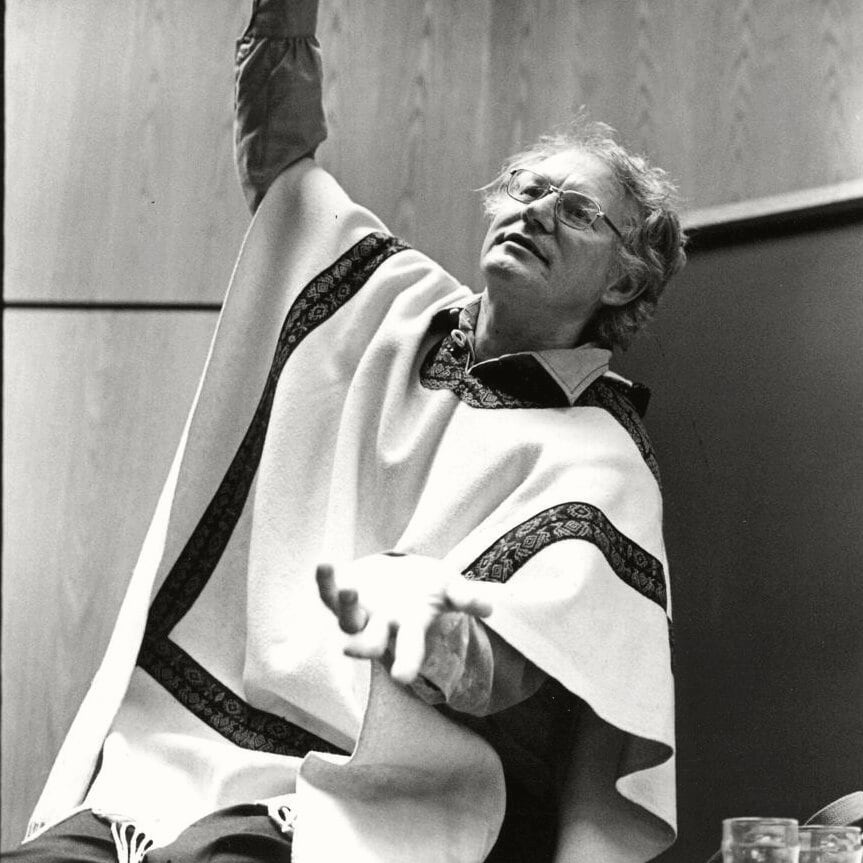
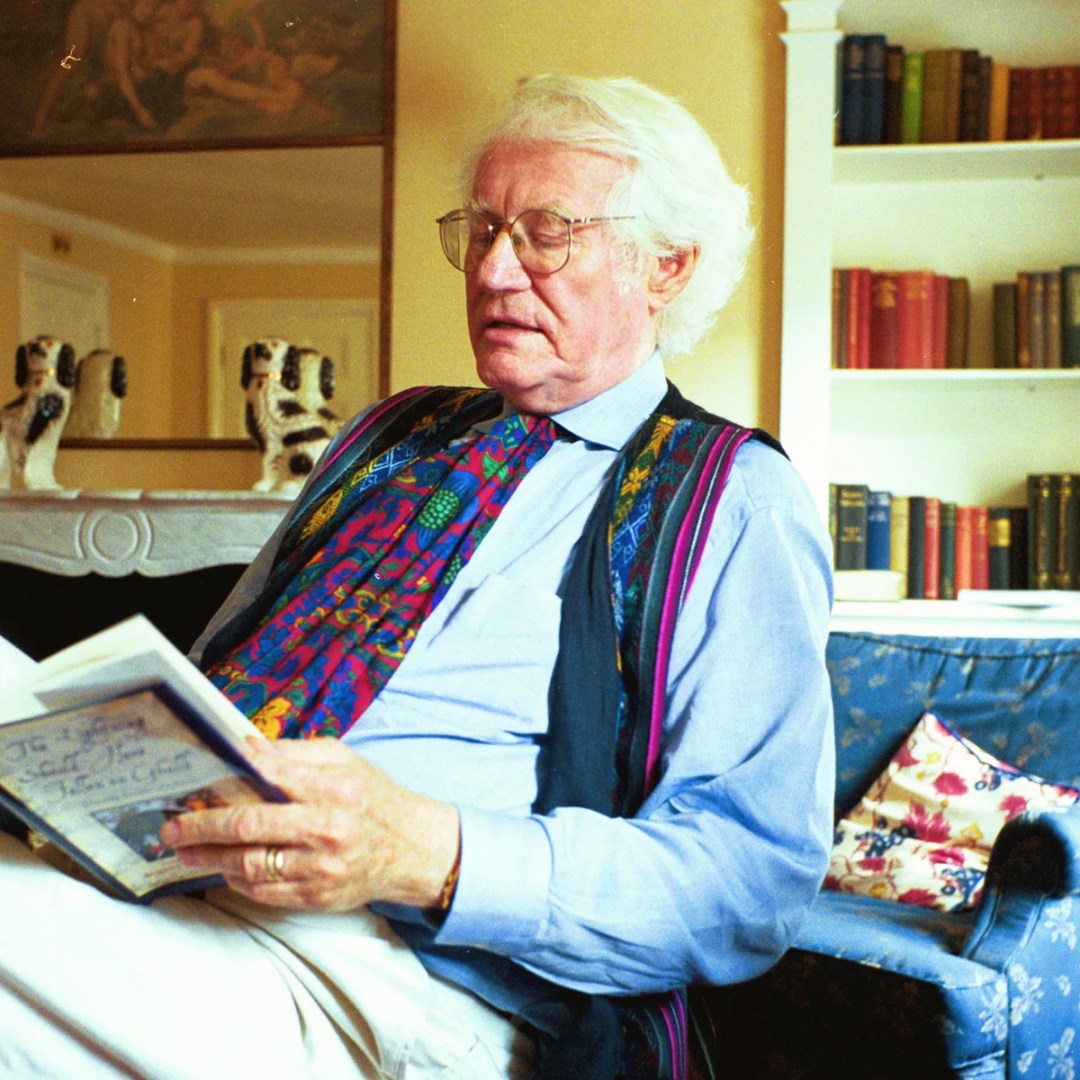
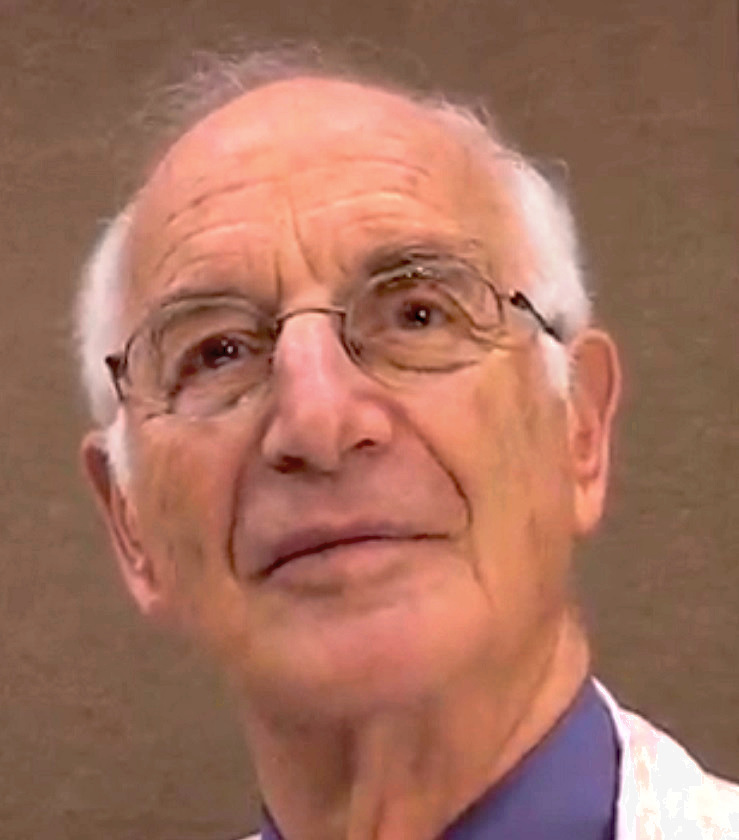
Robert Bly (1/10)
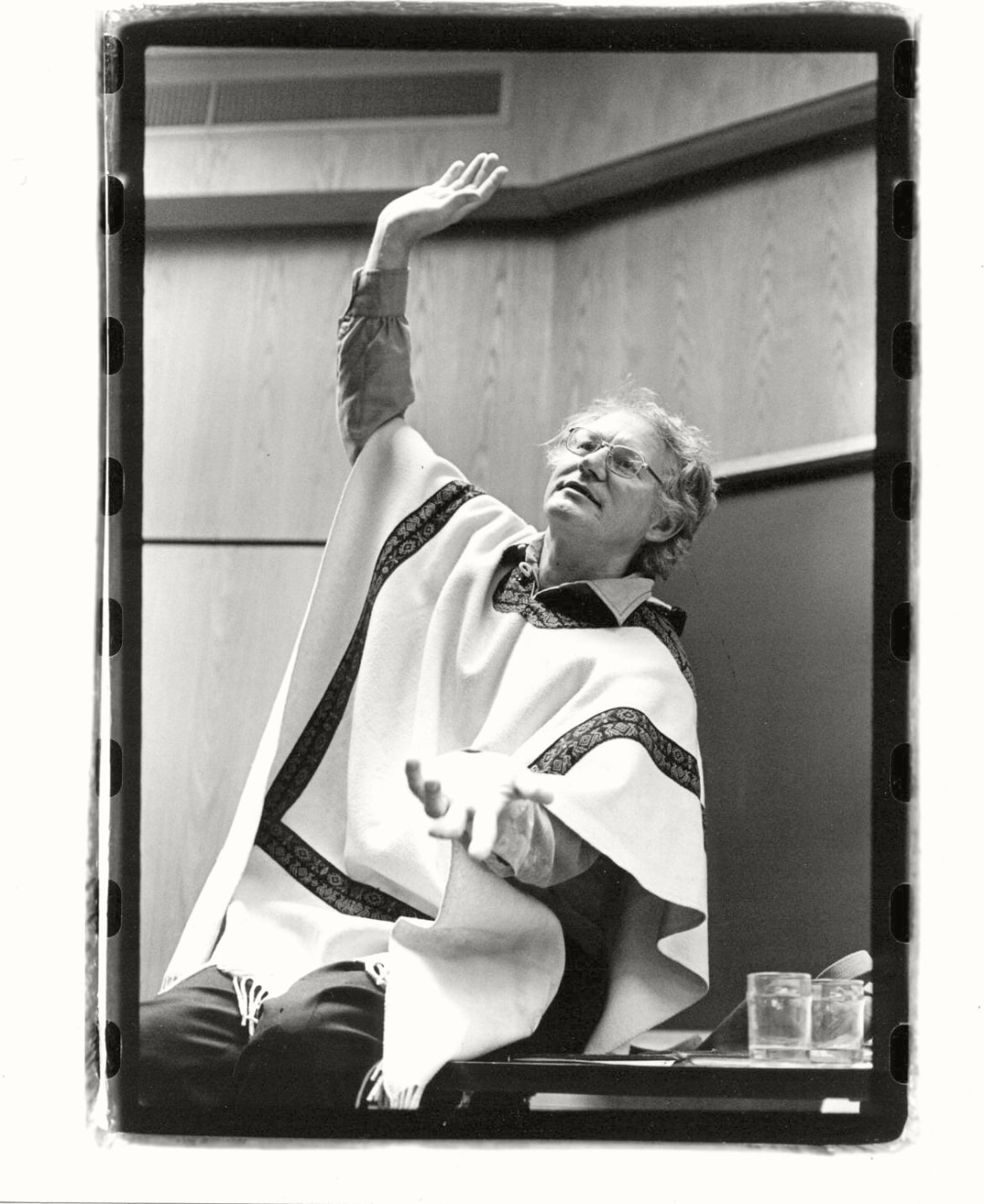
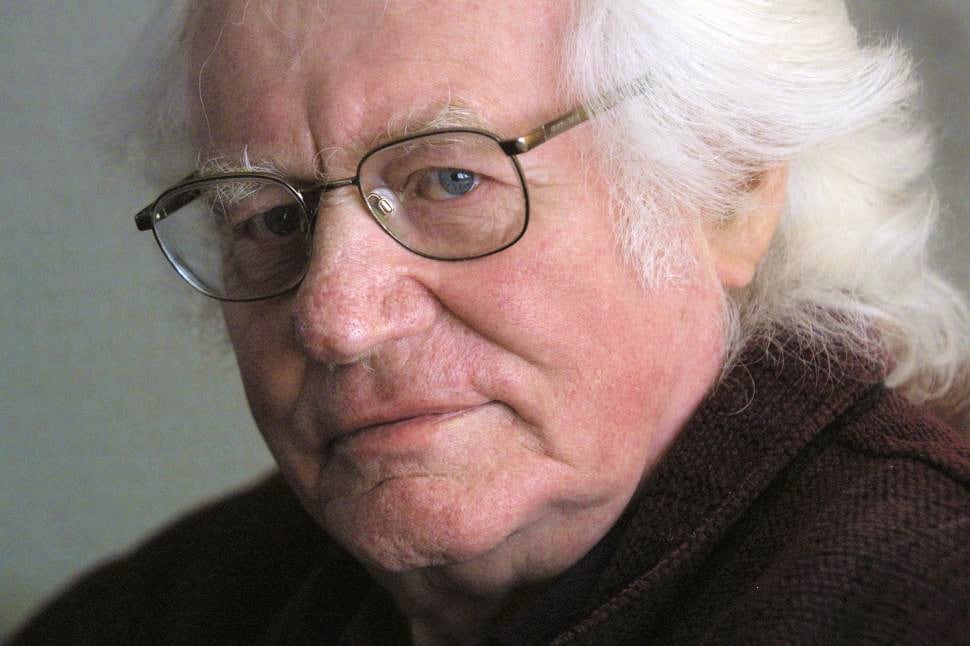
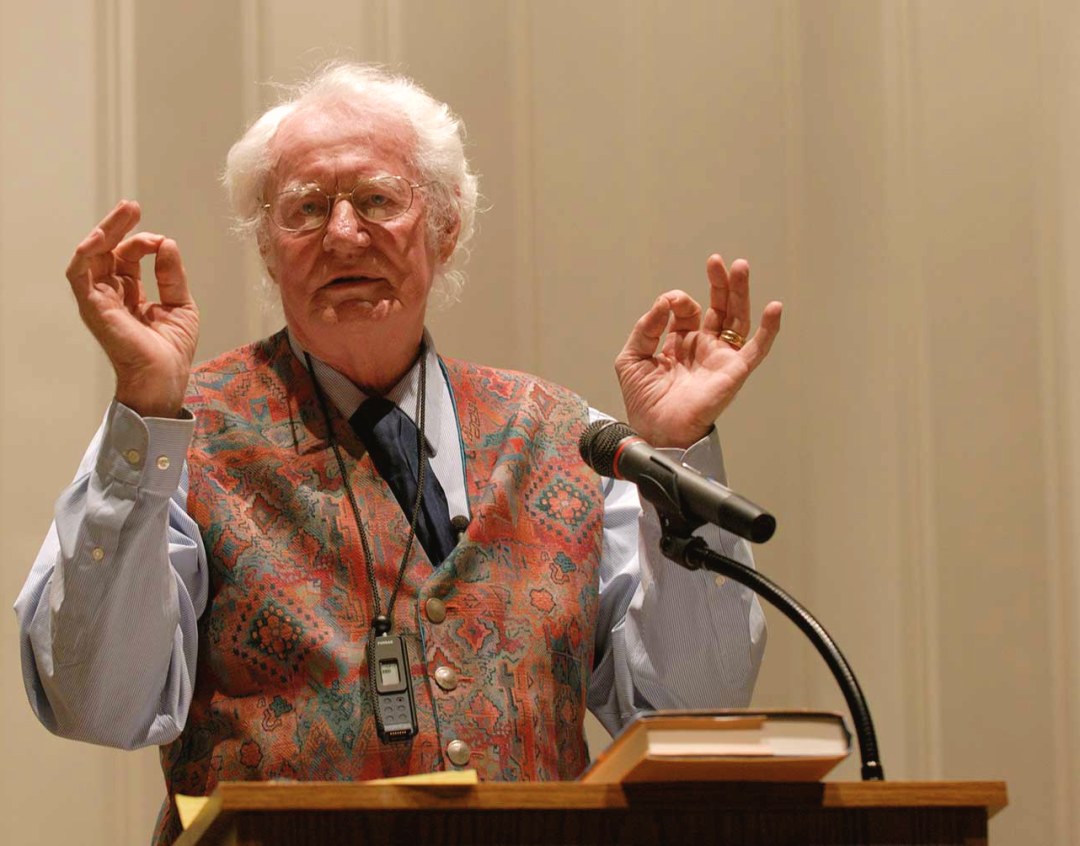
Robert Bly (2/10)
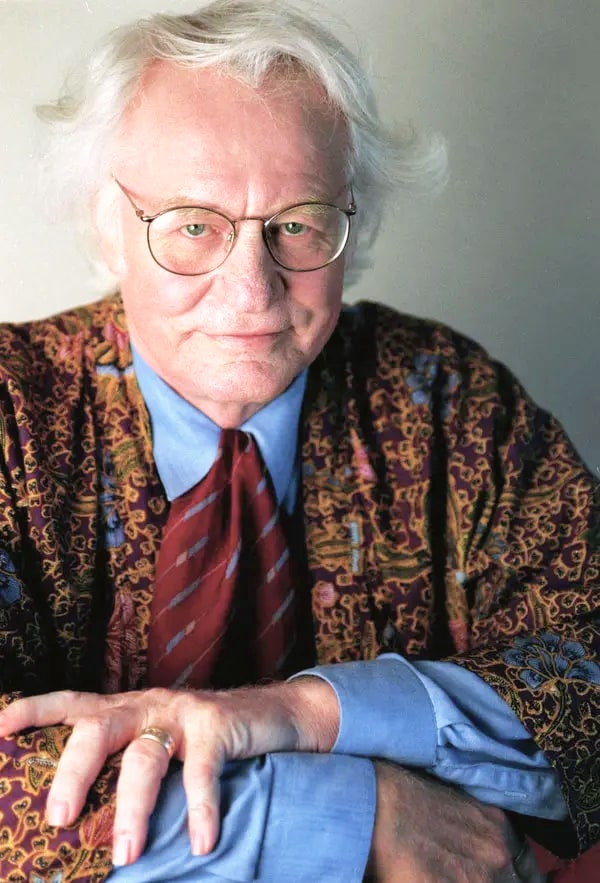
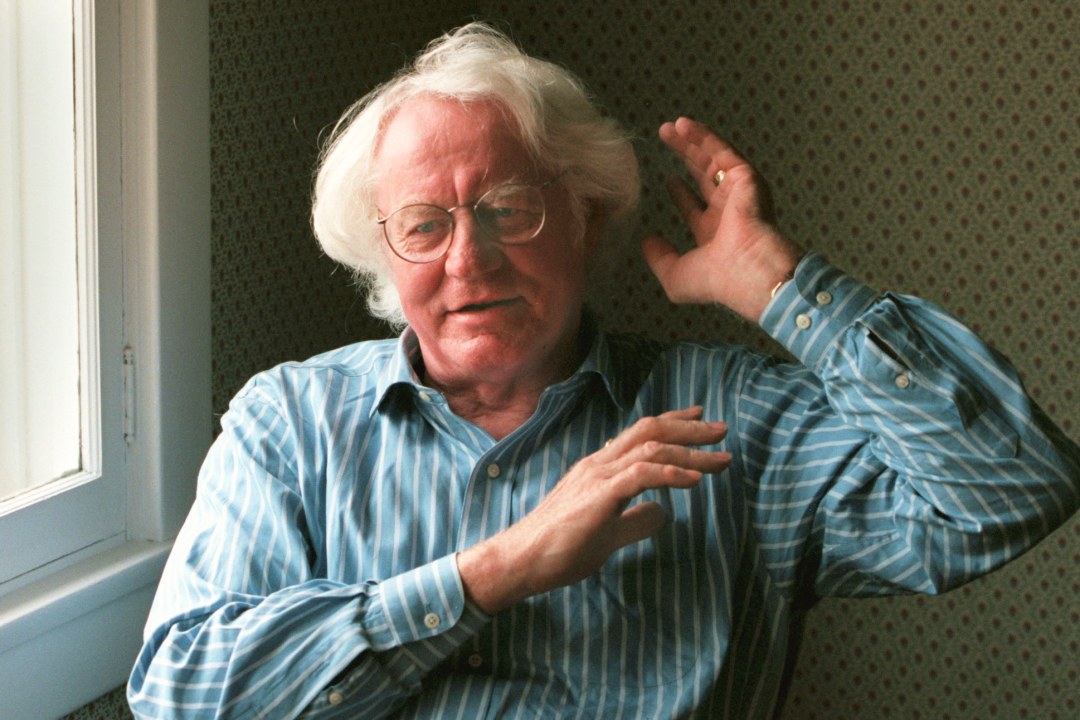
Robert Bly (3/10)
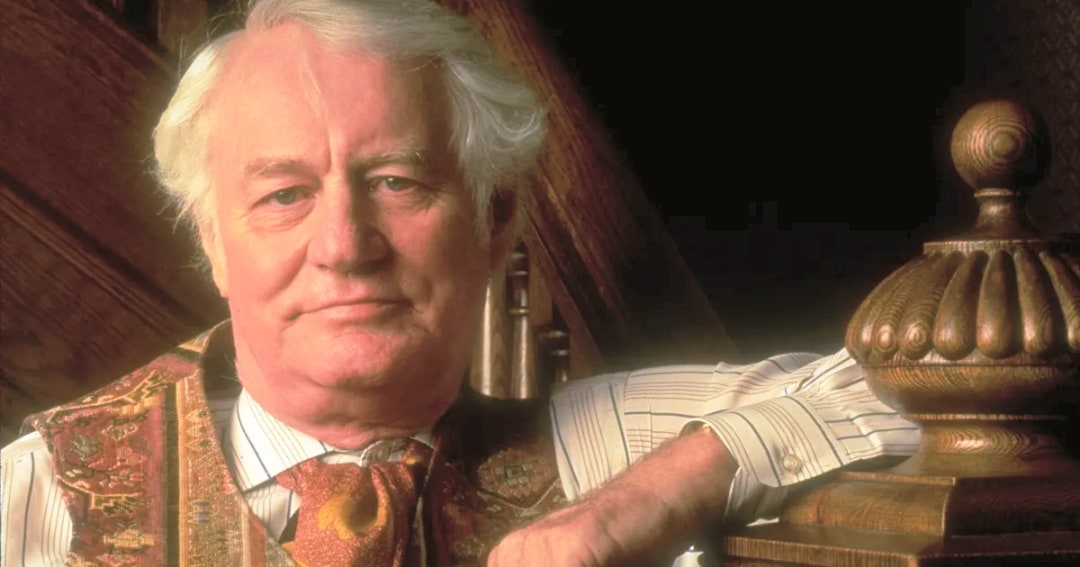
Robert Bly (4/10)
Robert Bly (5/10)
Robert Bly (6/10)
Robert Bly (7/10)
Robert Bly (8/10)
Robert Bly (9/10)
Robert Bly (10/10)
1 / 10
RB
Robert Bly

Robert Bly

Poet · editor · translator · and storyteller

Website

Über

Robert Bly was an American poet, translator, editor, and storyteller whose influence extended from the Deep Image movement in poetry to the mythopoetic men's movement of the 1980s and 1990s. Born Robert Elwood Bly in 1926 in Madison, Minnesota, he died in 2021 after more than half a century of literary and cultural work that provoked as much debate as admiration. He is best known for his poetry collections that explored inward consciousness and the natural world, and for Iron John, the 1990 bestseller that framed conversations about masculinity and male psychology for a generation.

Bly's poetry emerged from the Deep Image movement, which sought to move American verse away from the confessional mode and toward myth, symbol, and the unconscious. His work drew on the traditions of Spanish and Scandinavian surrealism, which he encountered through his extensive translation projects. He translated the work of Pablo Neruda, Rainer Maria Rilke, Tomas Tranströmer, Antonio Machado, and Kabir, among others, introducing English-language readers to poets whose influence on his own style was unmistakable. Bly's verse was marked by leaps between image and emotion, a refusal of linear narrative, and an insistence on the spiritual and political dimensions of language.

His major poetry collections include Silence in the Snowy Fields (1962), The Light Around the Body (1967), which won the National Book Award for Poetry in 1968, Sleepers Joining Hands (1973), and The Night Abraham Called to the Stars (2001). The Light Around the Body addressed the Vietnam War and domestic injustice with a directness that made Bly a fixture of the anti-war poetry circuit. He famously donated his National Book Award prize money to the draft resistance movement. His early collection Silence in the Snowy Fields remains a touchstone of Midwestern American poetry, its quiet plainspoken images of farms and fields standing in contrast to the mythic, politically charged work that followed.

Bly studied at Harvard University and the University of Iowa Writers' Workshop before spending time in Norway on a Fulbright fellowship in the 1950s, where he immersed himself in Scandinavian literature and began his work as a translator. In 1958 he co-founded The Fifties, later renamed The Sixties and The Seventies, a literary journal that championed international poetry and criticized what Bly saw as the timidity and insularity of mainstream American verse. The journal published translations alongside original work and became a platform for Bly's critical essays on poetry, culture, and politics. He also founded The Seventies Press, which published translations and poetry collections outside the commercial mainstream.

Iron John, published in 1990, brought Bly to a mass audience far beyond poetry readers. The book spent more than a year on the New York Times bestseller list and became the cornerstone of what Bly called the mythopoetic men's movement, which held that modern men were disconnected from mythic archetypes and needed ritual, storytelling, and mentorship to reclaim emotional depth. Bly led workshops and gatherings where men drummed, recited poetry, and discussed Grimm's fairy tales. The movement attracted both fervent followers and sharp criticism, with feminist scholars and journalists questioning whether it romanticized patriarchy or provided a genuine path to male self-reflection. His ideas on masculinity were featured in Time, The New York Times Magazine, and PBS specials, making him one of the most visible cultural commentators of the early 1990s.

In his later years Bly continued to write, translate, and lead workshops on poetry and myth. He published new collections and anthologies, including My Sentence Was a Thousand Years of Joy (2005) and Talking into the Ear of a Donkey (2011). He remained active in the community of poets and translators, and his influence on younger writers persisted through his mentorship, his translations, and the example of a life lived entirely in service of language. For readers discovering Robert Bly today, his work offers an entry point into American poetry's engagement with the unconscious, the political urgency of mid-century verse, and the unresolved questions about masculinity and mythology that continue to animate contemporary culture.

PoetTranslatorEditorPoetryTranslationLiterary EditingMasculinity And Inner LifeMen S MovementSocial Commentary
71 on Spotify

Anhören

Anhören

Listening Journey

Sound Journey

Open in Spotify

Discography

Albums & Releases

Open in Spotify
Angel of Peace
Angel of Peace
2025

Read & Watch

Stories & Insights

All articles
Iron John: The Wild Man and Modern Male Initiation
Video

Iron John: The Wild Man and Modern Male Initiation

Robert Bly's Iron John explores how traditional myths and fairy tales offer men a path beyond both domineering patriarchy and passive softne…

Watch →
What's Missing in Modern Man: Iron John's Lessons
Video

What's Missing in Modern Man: Iron John's Lessons

Robert Bly's Iron John reveals what modern men lack through Jungian analysis of a Grimm fairy tale, exploring the wild man archetype and mas…

Watch →
What It Means to Be a Man: Healing the Masculine Wound
Video

What It Means to Be a Man: Healing the Masculine Wound

Robert Bly explores how the Industrial Revolution severed father-son bonds and left men without initiators to guide them into authentic masc…

Watch →
Persian Poetry and the Third Place: Rumi, Hafez, and Spiritual Longing
Video

Persian Poetry and the Third Place: Rumi, Hafez, and Spiritual Longing

Robert Bly explores how Persian poets Rumi and Hafez guide American consciousness toward spiritual truth, challenging materialism and awaken…

Watch →
Father Hunger and Male Identity: Ancient Wisdom for Modern Men
Video

Father Hunger and Male Identity: Ancient Wisdom for Modern Men

Robert Bly and Michael Meade explore the crisis of absent fathers and its cellular impact on male development, arguing that modern men suffe…

Watch →
AlleStories & Insights→

Connect

Official Websiterobertbly.com
Spotify71 followers

Stay in Touch

Create your BrightStar account

Follow Robert Bly and discover other retreats, teachers, and gatherings across the conscious wellness world. New programs, early-bird pricing, and seasonal guides — once a month.

Subscribed. Welcome.

or

Free BrightStar account. Follow venues and teachers, save events, get personalized recommendations across the conscious wellness ecosystem.

For Event Creators

Be the Change.Keep the Change!

A free ticketing platform built for retreats, kirtans, and festivals. Set up an event in minutes — no contracts, no per-ticket fees, no catch.

$0
Forever
∞
Events
0
Contracts
100%
Yours
Try the Demo→Learn more

Through the Lens

Moments with Robert Bly

In Concert With

Frequent Collaborators

James Hillman
James Hillman
Jungian psychologist, co-editor
Michael Meade
Michael Meade
Mythologist, storyteller, co-editor
Marion Woodman
Marion Woodman
Jungian analyst, co-author
Tomas Tranströmer
Tomas Tranströmer
Swedish poet, translation collaborator

Read More

About Robert Bly

  • For Beginners

    Where to Start with Robert Bly: A Beginner's Guide

    3 min read

  • Biography

    Who Is Robert Bly? Life, Work, and Legacy

    4 min read

Lineage & Inspiration

Spiritual Influences

The teachers, lineages, and practices that shape Robert Bly's path.

Carl Jung

Carl Jung

Swiss Psychiatrist

Foundational influence; Bly used Jungian archetypes, myths, and the collective unconscious throughout his work.

Joseph Campbell

Joseph Campbell

Mythologist

Bly first heard Campbell in 1975; The Hero With a Thousand Faces inspired his mythopoetic work.

Kabir

Kabir

15th-Century Indian Mystic

Bly translated Kabir's ecstatic poetry; first religious poet he deeply engaged with spiritually.

Rumi

Rumi

13th-Century Sufi Mystic

Bly translated Rumi extensively; described him as guiding light of American poetry for decades.

James Hillman

James Hillman

Jungian Psychologist

Co-leader and influence on the mythopoetic men's movement; archetypal psychology informed Bly's approach.

Jungian Psychology

Jungian Psychology

Philosophy

Core framework for Bly's mythopoetic work, exploring archetypes and the collective unconscious.

Fairy Tale and Myth Work

Fairy Tale and Myth Work

Practice

Central practice in Bly's conferences and retreats; used myths as psychological development tools.

Worth Knowing

Questions

Robert Bly (1926–2021) was an American poet, editor, translator, and cultural provocateur who shaped literary and social discourse across more than five decades. His influence spans three distinct but interwoven territories: as a rigorous literary editor and translator who championed poetry's place in American consciousness; as the author of Iron John, a bestseller that catalyzed mainstream conversation about masculinity and inner life; and as a voice in social commentary, willing to challenge cultural orthodoxy. What made Bly distinctive was his refusal to stay in a single lane—he moved fluidly between the academy, the counterculture, and popular discourse, always returning to poetry as the foundational text. His legacy is genuinely contested: admirers view him as a visionary who helped men articulate their emotional and spiritual interiority; critics argue his ideas about masculinity and gender have aged poorly or caused harm. Regardless of where readers land, Bly's work remains a touchstone for anyone interested in the intersections of poetry, cultural change, and the interior life.

Robert Bly emerged from and helped define the postwar American poetry renaissance, a lineage rooted in modernist innovation but consciously expanding beyond it. He was shaped by deep engagement with European and world poetry—his translation work brought figures like Rainer Maria Rilke, Kabir, and Pablo Neruda into American literary consciousness, treating translation not as academic exercise but as spiritual and political act. His poetic practice aligned with the Deep Image school, which privileged imagination, surrealism, and the irrational over confessional or formalist constraints. Beyond poetry proper, Bly was influenced by Jungian psychology, particularly the work of Carl Jung on the inner masculine and shadow work, which became central to his thinking about men's development and what he called "the expressive men's movement." He also drew from folk wisdom, mythology, and storytelling traditions—his later work increasingly incorporated narrative and oral performance. This multiplicity—poet, translator, psychologically-informed essayist, activist—makes Bly difficult to categorize within a single literary or cultural lineage; he was fundamentally a bridge-builder between traditions.

For readers approaching Bly's work for the first time, Iron John remains the most accessible entry point, though it's important to understand what it actually is and isn't. Published in 1990, the book became a bestseller and sparked the so-called men's movement of the 1990s; it uses the Grimm fairy tale "Iron John" as a scaffold for discussing masculinity, emotional development, and the role of male mentorship and initiation. Newcomers should read it as a provocative essay rather than a prescriptive manual—Bly's argument about how men have become emotionally disconnected and the role of both the inner feminine and inner masculine remains thought-provoking even to skeptics. For those interested in his poetry directly, collections like Silence in the Snowy Fields and The Light Around the Body showcase his range as a lyric poet while also revealing his political consciousness and engagement with translation aesthetics. A third pathway is to engage with his later work as a storyteller and oral performer, though audio or video recordings are more effective than text for experiencing this dimension. The honest truth: Bly's work is not monolithic, and different readers will find different entry points depending on whether they're drawn to his poetry, his ideas about culture and masculinity, or his role as a translator and editor.

While many of Bly's contemporaries—poets like Allen Ginsberg, James Wright, or Adrienne Rich—were also engaged with social consciousness and formal innovation, Bly's signature move was his insistence on the spiritual and psychological dimensions of poetry without abandoning political urgency. His translation work, particularly his renderings of Rilke and Neruda, didn't just import foreign texts; they fundamentally changed how American poets understood metaphor, image density, and the relationship between the personal and the universal. Bly's commitment to what he called "leaping" poetry—sudden imaginative jumps that bypass logical connectors—gave his work a dreamlike quality that distinguished it from both the confessional school and the academic formalists. Beyond poetry, Bly's willingness to step into public cultural debate about masculinity, consciousness, and mythology set him apart from peers who stayed within literary institutions. He was also unusually prolific across multiple genres: poetry collections, essay collections, translations, edited anthologies, recordings, and public performances. What unified this diversity was Bly's underlying conviction that poetry and storytelling were tools for cultural and psychological healing, not aesthetic exercises—a stance that earned him both devoted followers and serious skeptics.

Readers approaching Bly with the expectation that his work will be consistent or universally progressive will be disappointed and frustrated. His ideas about masculinity, particularly in Iron John, have been critiqued as essentialist and heteronormative, and those critiques deserve to be taken seriously; contemporary readers with feminist or queer-centered frameworks may find his gender analysis outdated or even harmful. Similarly, readers seeking a purely apolitical or purely aesthetic poetry experience should know that Bly saw poetry as inherently engaged with social and spiritual questions—there's no clean separation between the personal lyric and the political statement in his work. Those who prize formal precision, metrical rigor, or close argumentation may find his leaping, imagistic style frustratingly elliptical or vague. His later work increasingly emphasized storytelling and myth in ways that some readers find more New Age than substantially grounded. Finally, Bly's work is deeply entangled with Jungian psychology and a particular (debatable) vision of male psychological development; readers skeptical of Jungian frameworks or resistant to his framing of masculinity will likely find the work limiting rather than liberating. The honest assessment: Bly's legacy is contested not because his work is uniformly brilliant or uniformly flawed, but because his central ideas about gender, consciousness, and culture remain genuinely divisive.

Robert Bly's poetry collections include Silence in the Snowy Fields (1962), which established his voice as a poet of interiority and natural observation, and The Light Around the Body (1967), which deepened his engagement with political consciousness and the Vietnam War without abandoning the lyric intensity that made the earlier book distinctive. His translation work—particularly versions of Rilke's Book of Hours, Neruda's poems, and selections from Kabir—were groundbreaking in American literary culture and are considered essential texts for understanding how contemporary American poetry absorbed European and world influences. Iron John: A Book About Men (1990) is his most famous and controversial work, a cultural and psychological treatise framed through Grimm's fairy tale that sparked mainstream discourse about masculinity and has been both championed and critiqued since publication. The Sibling Society (1996) extends his social commentary to questions of authority, hierarchy, and cultural fragmentation in late-twentieth-century America. Bly also edited significant anthologies including The Rag and Bone Shop of the Heart (with James Hillman and Michael Meade), which gathered poems, myths, and stories organized around psychological and spiritual themes. For readers new to his work, starting with a Selected Poems gives an accessible overview of his range as a poet across decades.

Bly's approach to translation was fundamentally different from the word-for-word, scholarship-first model that dominated academic translation in his era. He treated translation as a form of creative interpretation—a way to bring the spirit and energetic life of a foreign poem into English, sometimes at the expense of literal accuracy. His translations of Rilke's Book of Hours, for instance, privilege the emotional and spiritual resonance of Rilke's exploration of solitude and divine communion, restructuring and condensing where necessary to achieve this effect in English. This method was controversial among scholars but profoundly influential on poets, who learned from Bly that translation could be an art form in its own right rather than a derivative or secondary practice. What's striking is how his translation work and his original poetry inform each other: the imagistic density and psychological depth he admired in Neruda and Rilke reappears in his own lyric voice, and his interest in leaping and sudden metaphoric shifts was sharpened by wrestling with how to render these qualities in English. Bly's translation philosophy ultimately argues that poetry is fundamentally about capturing inner life and spiritual intuition—a conviction that shaped both how he translated others and how he composed his own work.

Robert Bly's involvement with what he termed "the expressive men's movement" became one of his most visible and controversial public roles, crystallized around the publication and success of Iron John in 1990. The book argued that American men, particularly those raised by absent fathers and shaped by industrial capitalism, had lost touch with authentic inner life and what Bly called the "deep masculine." He drew on Jungian psychology, mythology, and fairy tales to suggest that men needed intentional practices—mentorship, initiation, emotional expression, connection to ritual—to develop psychological wholeness. Bly became a public intellectual on these questions, leading men's gatherings and speaking to audiences hungry for frameworks that validated male interiority without dismissing feminist gains. However, his work on masculinity has been substantially critiqued for essentializing gender, for a potentially heteronormative vision of male development, and for offering psychological solutions to what are actually structural and political problems. Some argue his ideas about the need for male initiation and mentorship have aged better than his specific claims about the feminine and masculine psyche. The honest assessment: Bly's engagement with men's development opened important conversations about male emotional life, but his frameworks remain contested, and contemporary readers should approach his gender analysis with both openness and critical attention.

Robert Bly was far more than a poet and translator—he was a deliberate literary editor and publisher who shaped American poetry's trajectory in the postwar era through his editorial vision and curatorial choices. He co-founded and edited The Fifties (later The Sixties and The Seventies), a journal that became a crucial venue for postwar American poetry and a platform for translating and championing work that challenged the academic establishment's preferences. Through this journal, Bly promoted the Deep Image school and created space for poets like James Wright, Galway Kinnell, and others whose work prioritized imagination, surrealism, and psychological depth over formalist or confessional modes. His editorial choices—which poets to publish, which translations to feature, how to frame the literary conversation—exerted real influence on what American readers and writers understood as important contemporary poetry. Beyond The Fifties and its successors, Bly edited significant anthologies including The Rag and Bone Shop of the Heart, which organized poetry, myth, and story around psychological and spiritual themes in ways that reached a broader popular audience. His editorial philosophy treated poetry not as an academic or aesthetic specialty but as essential cultural work—something that mattered to how people understood themselves and their times. This curatorial dimension of his legacy is sometimes overshadowed by Iron John but was equally important to his influence on American literary culture.

Yes—social engagement was woven through Bly's work from the 1960s onward, particularly around the Vietnam War and Cold War politics. His collection The Light Around the Body (1967) is saturated with anti-war poetry that connects interior consciousness to political resistance, arguing implicitly that authentic inner life and authentic social critique are inseparable. Bly participated in public protests, read poetry at anti-war gatherings, and was part of the literary counterculture's response to American imperialism and militarism. Beyond Vietnam, his later essays and public statements engaged with questions of corporate capitalism, environmental destruction, and what he saw as a loss of community and hierarchy in American life. His book The Sibling Society critiques contemporary American culture for flattening authority, eroding mentorship, and creating what he saw as a kind of collective adolescence. It's important to note that Bly's social commentary could be politically complicated: while he was genuinely critical of American militarism and capitalism, some of his later cultural diagnoses read as nostalgic or insufficiently attentive to how different groups experience social change. Still, the through-line is clear: Bly never believed that poetry could be purely private or apolitical. His conviction that inner life and social consciousness are fundamentally linked shapes how readers should understand both his poetry and his essays.

Discover More

Kindred Spirits

Michael Meade

Michael Meade

John Odonohue

John Odonohue

Deva Vasuda

Deva Vasuda

8K listeners
Mandy Sutter

Mandy Sutter

5K listeners
Aloha Jacqueline (Soul Medicine)

Aloha Jacqueline (Soul Medicine)

2K listeners
Albert Flynn DeSilver

Albert Flynn DeSilver

2K listeners

Bist du das? Diese Seite beanspruchen ›

Continue your journey

There's more where this came from.

BrightStar is the global directory of artists, teachers, and healers in the wellness and spiritual movement. Find your next experience — or add yourself.

Discover More Artists

Browse 14,000+ curated profiles across kirtan, yoga, meditation, and beyond.

Explore directory →

Find an Event Near You

Kirtan, retreats, sound baths, breathwork, ceremonies — happening this week.

Browse events →

Add Your Profile

Are you an artist, teacher, or healer? Get listed — free, AI-assisted, live in minutes.

Get started →