
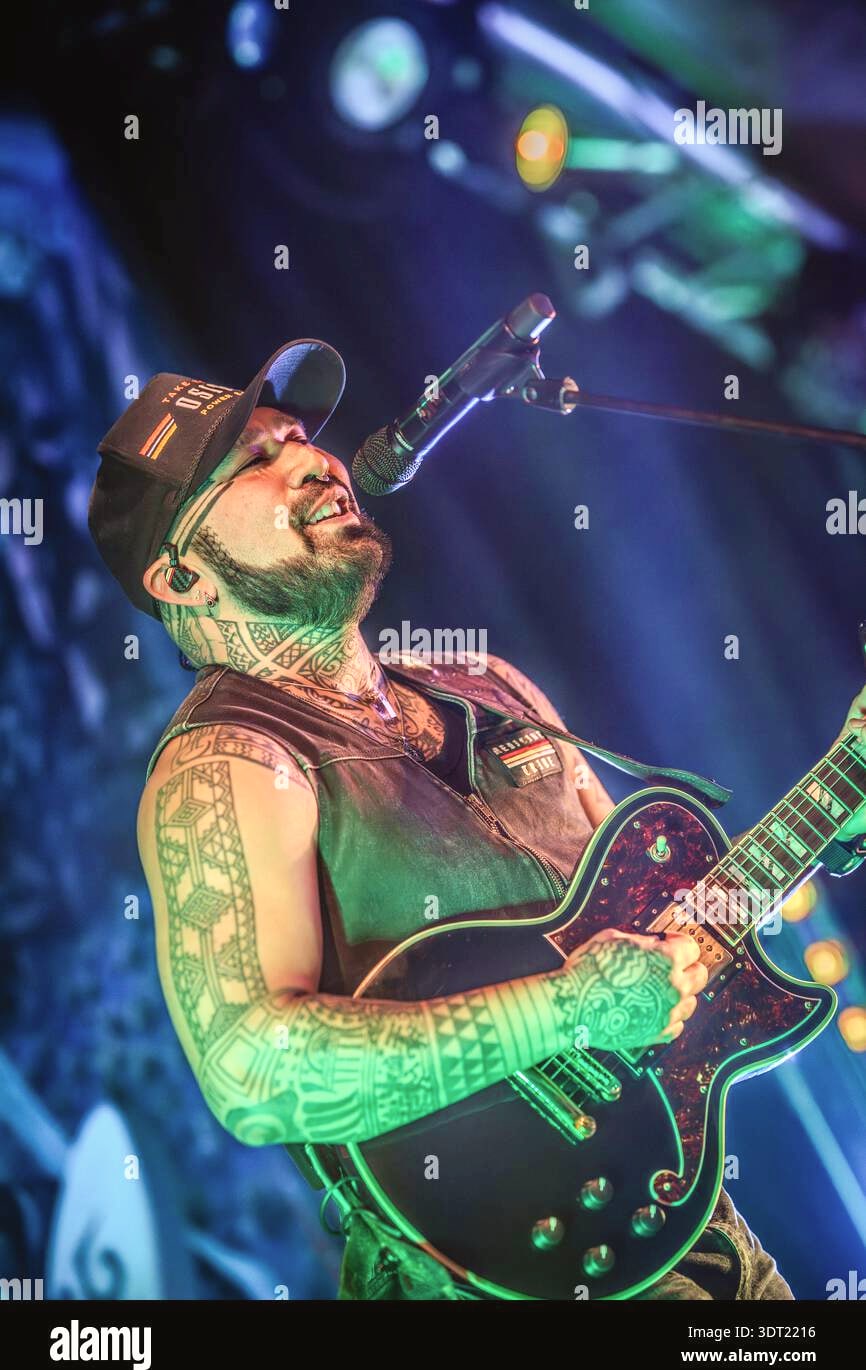
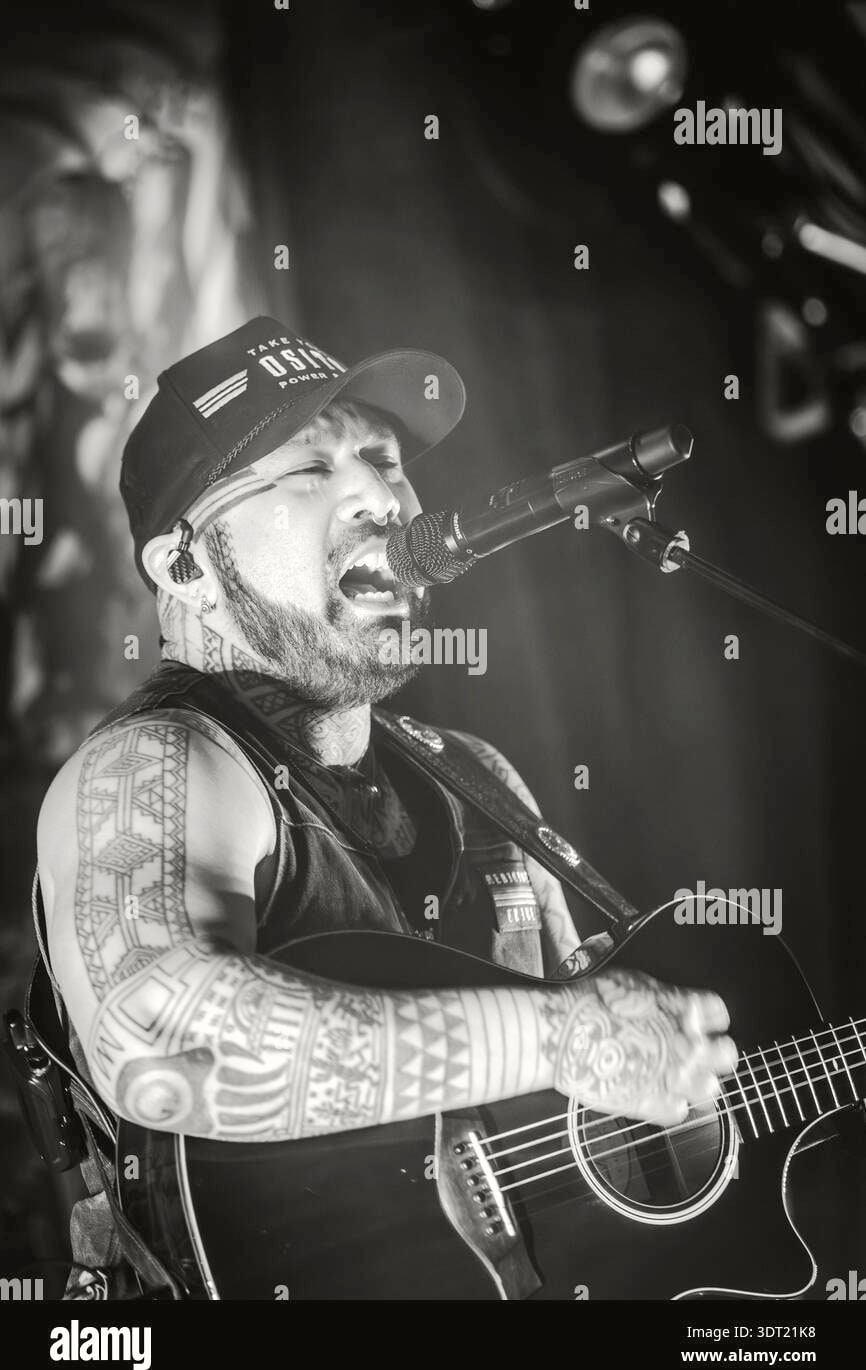
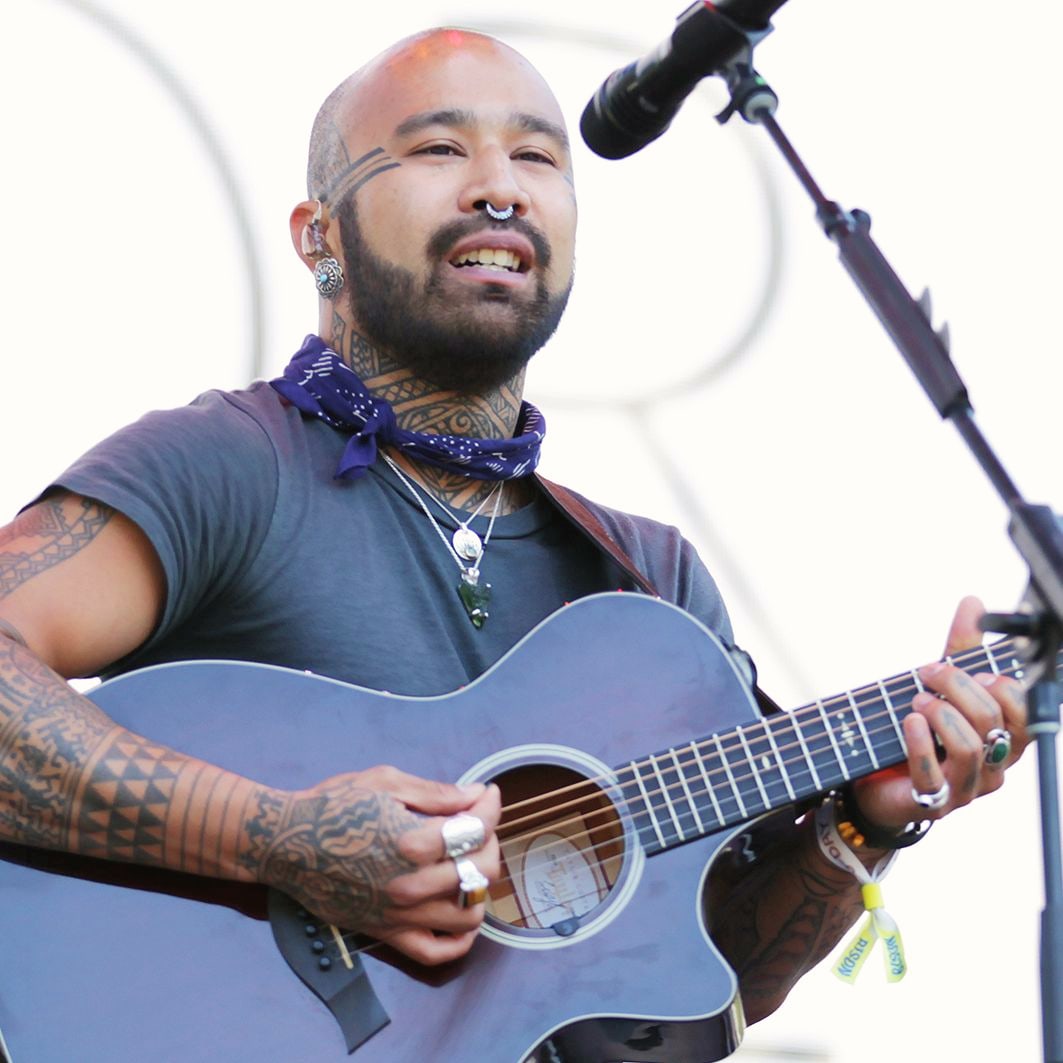
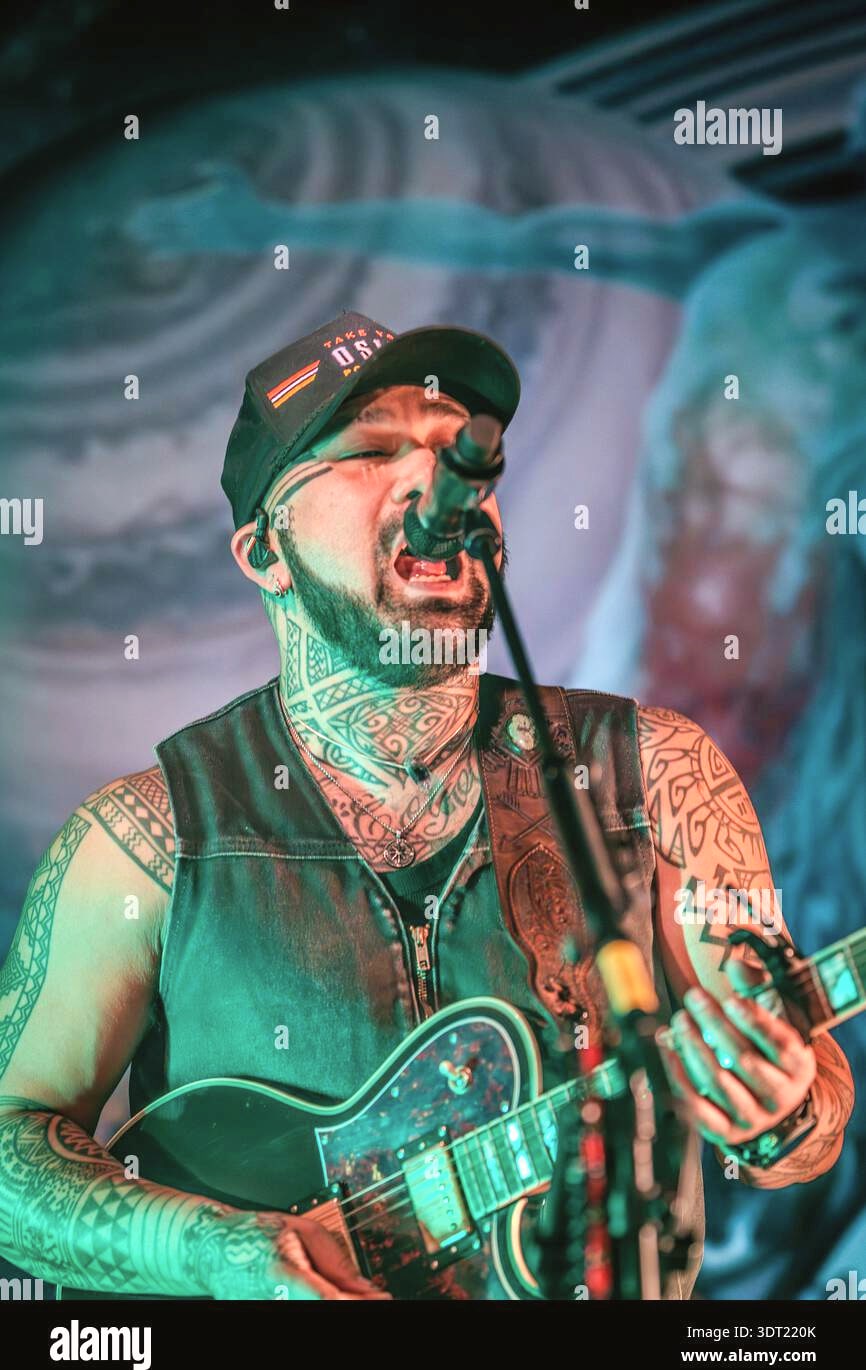
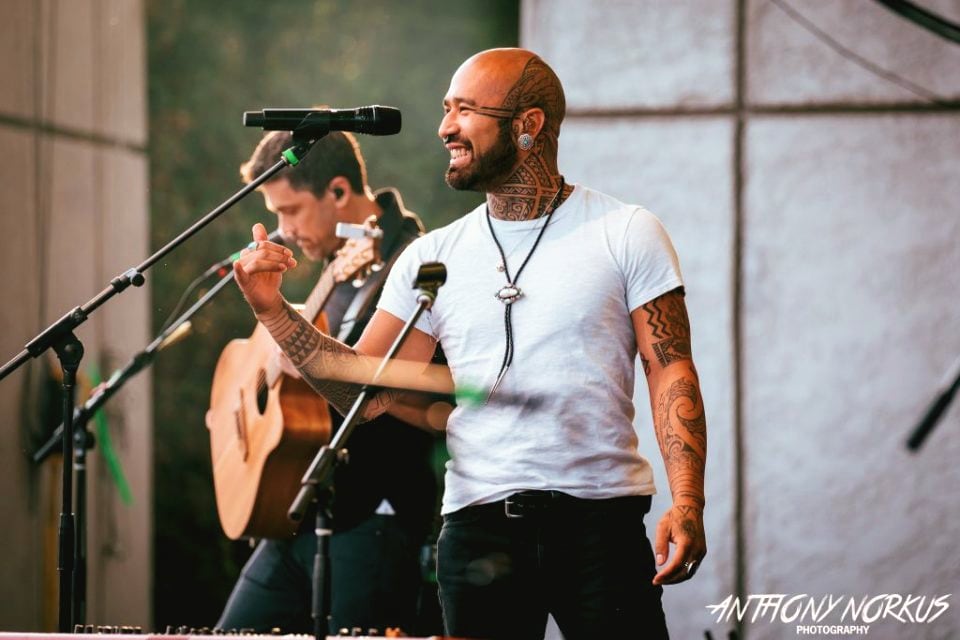
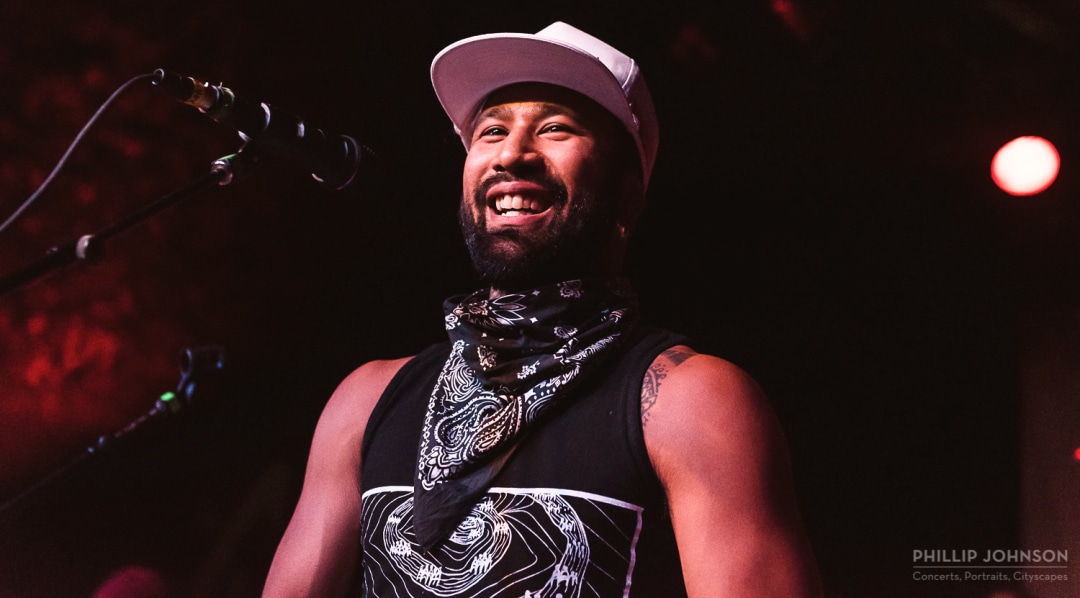
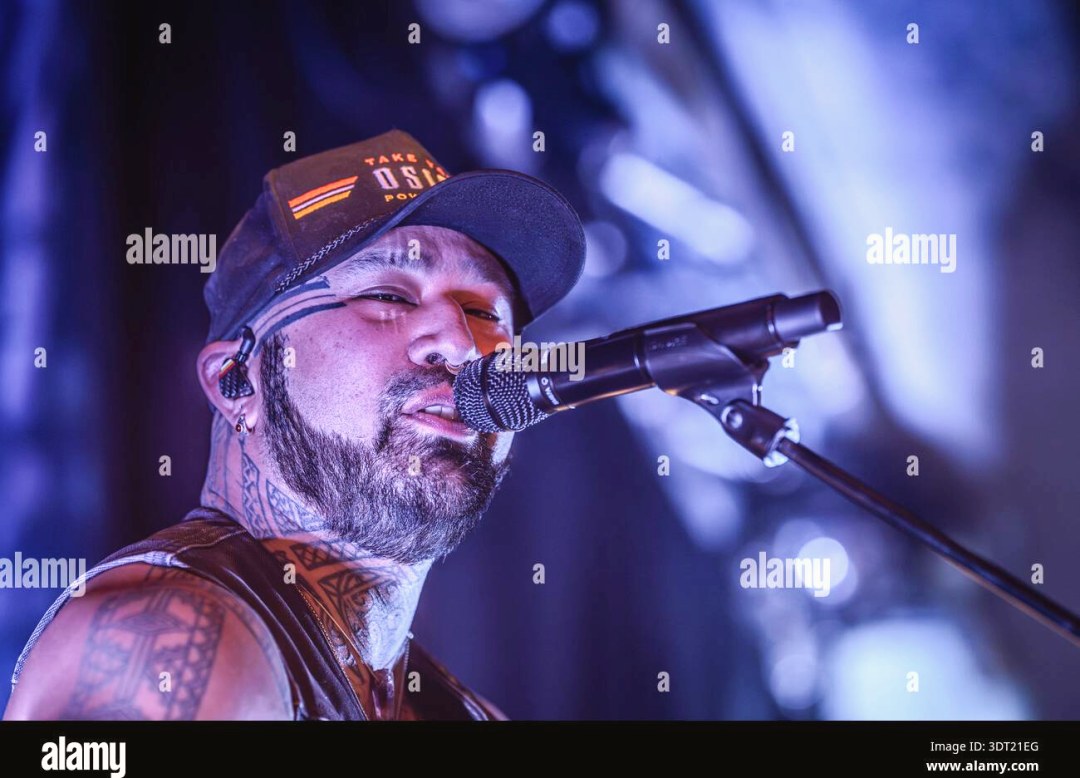
Weitere Fotos

Nahko Bear
Singer Songwriter · Portland, Oregon, United States
Über
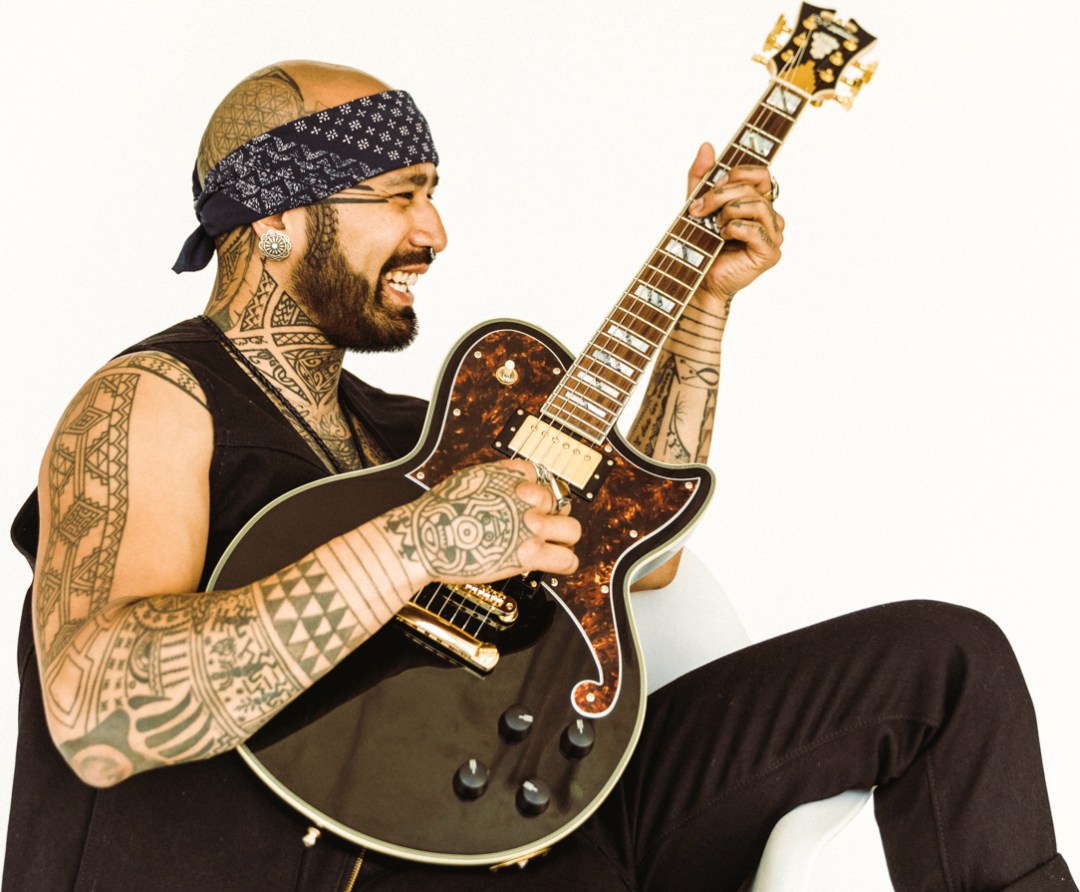
Nahko Bear, born on October 17, 1986, in Portland, Oregon, is a musician of mixed heritage, including Native American and Filipino roots. His early life was marked by a sense of disconnection from his cultural identity, which he later sought to reclaim through music. Raised in a diverse environment, Nahko was influenced by various musical styles and cultures, which would later shape his own sound. His upbringing in a family that valued creativity and expression provided a fertile ground for his artistic development, leading him to explore the power of music as a means of healing and connection.
Nahko Bear, born on October 17, 1986, in Portland, Oregon, is a musician of mixed heritage, including Native American and Filipino roots. His early life was marked by a sense of disconnection from his cultural identity, which he later sought to reclaim through music. Raised in a diverse environment, Nahko was influenced by various musical styles and cultures, which would later shape his own sound. His upbringing in a family that valued creativity and expression provided a fertile ground for his artistic development, leading him to explore the power of music as a means of healing and connection.
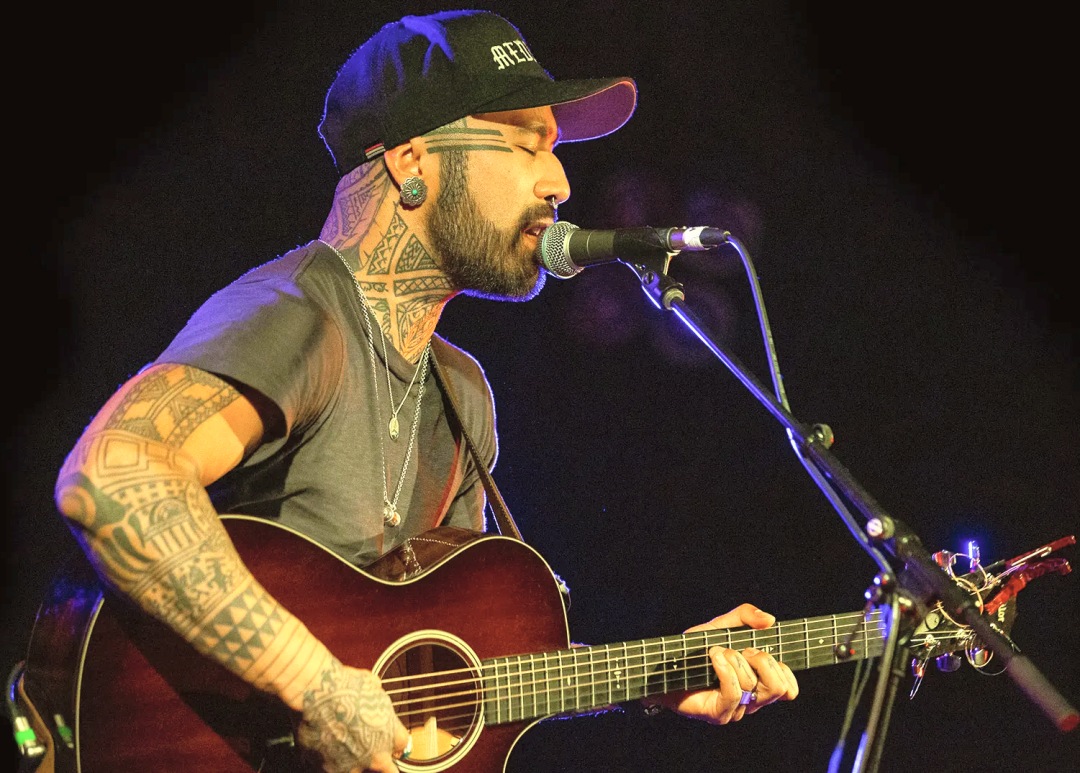
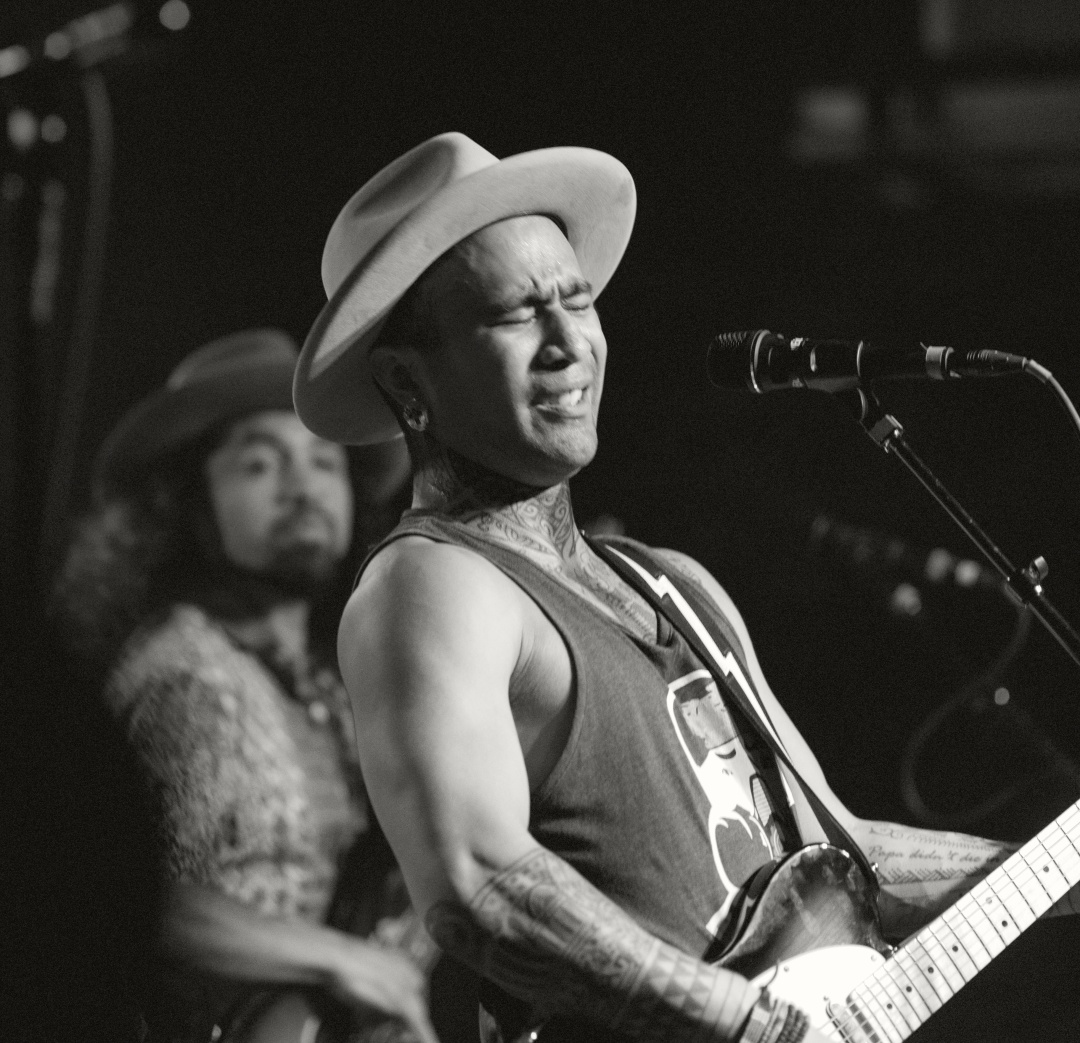
Nahko is best known as the frontman of Nahko and Medicine for the People, a band that blends elements of folk, rock, and world music to create a unique sound that resonates with audiences around the globe. The group has released nine studio albums, each reflecting Nahko's commitment to social justice, environmental awareness, and personal empowerment. Their music often incorporates themes of love, unity, and the importance of community, inviting listeners to engage in a deeper conversation about the world around them. Through his lyrics and performances, Nahko encourages individuals to embrace their own stories and to find strength in vulnerability.
Nahko's musical influences are as diverse as his heritage, drawing inspiration from artists such as Bob Marley, Michael Franti, and traditional Native American music. His work is deeply rooted in the teachings of his ancestors, and he often speaks about the importance of honoring one's lineage and the wisdom it carries. This connection to his roots is evident in his songwriting, which often weaves together personal narratives with broader themes of spirituality and social consciousness. Nahko's ability to blend these influences into a cohesive sound has garnered him a dedicated following and critical acclaim.
Today, Nahko Bear stands as a significant figure in the music industry, using his platform to advocate for change and inspire others to take action. His music serves as a catalyst for conversations about important issues such as climate change, indigenous rights, and mental health. By sharing his journey and the lessons he has learned, Nahko empowers others to embrace their own paths and to recognize the interconnectedness of all beings. In a world that often feels divided, his message of love and unity resonates deeply, making him an important voice for this generation and beyond.


FAQ
Questions
Nahko Bear is a Portland-born singer-songwriter and activist musician of Native American and Filipino heritage who fronts the band Nahko and Medicine for the People. His reputation rests on a deliberately integrated approach: folk-rock fusion that refuses to separate the personal from the political, weaving social justice advocacy, environmental awareness, and indigenous rights into songs that function as both intimate confessions and calls to collective action. With nearly 291,000 Spotify followers, he occupies a specific niche—audiences drawn to artists like Michael Franti and Bob Marley who use music as a platform for systemic critique without abandoning vulnerability or spiritual depth. What distinguishes him from other activist musicians is his willingness to ground his work in ancestral lineage and the reclamation of his own cultural identity, a journey he documents openly in his lyrics. Listeners care because his music treats spiritual songwriting and political consciousness as inseparable—you don't choose one or the other; they arrive together.
Nahko's work emerges from a deliberate synthesis of folk-rock tradition (particularly the Bob Marley and Michael Franti lineage of politically conscious songwriting) with ancestral Native American musical and spiritual teachings. His bio emphasizes his commitment to honoring ancestral wisdom and the teachings his lineage carries, though specifics of particular mentors or ceremonial traditions aren't detailed in available sources—what's clear is that this connection runs deep enough to inform his songwriting at a structural level, not merely as thematic overlay. The world music and devotional classification on Spotify reflects this fusion: his sound sits between the singer-songwriter tradition and something older, pulling from indigenous perspectives on interconnectedness and land stewardship. Unlike artists working purely in folk-rock or purely in devotional music, Nahko refuses compartmentalization—his ancestral roots and his activism aren't separate projects but expressions of the same worldview. This positions him within a growing movement of Native and mixed-heritage musicians reclaiming their cultural voice within contemporary popular music, using the folk-rock format as a vessel for spiritual and political truth-telling.
Start with *Dark As Night* (2013), his breakthrough album that cracked the Billboard Heatseekers Top Ten and remains his most cohesive statement of purpose. This album establishes the core aesthetic: how his voice, his lyrical specificity, and the band's arrangement choices work together to create what feels like both a personal testimony and a broader meditation on struggle, healing, and resistance. If you want to hear the evolution of his songwriting over a decade, the 2023 *Dark As Night (10 year anniversary edition)* with 16 tracks offers expanded context without requiring you to chase down a scattered discography. For listeners who prefer stripped-down arrangements, the 2024 *Dark As Night (Acoustic Edition)* removes the production complexity and lets his lyrics and vocal phrasing take center stage—useful if you're testing whether his work actually lands without the full band energy. If you're coming from the activist-musician angle and want urgent, contemporary material, *TRENCHES* (2023) and *Take Your Power Back* (2020) speak directly to present-moment social struggle. The 2025 *Live at Red Rocks* (recorded June 16, 2019) captures the band's live presence if you want to understand how these songs operate in a ceremonial, collective setting rather than in isolation.
Where many activist musicians treat politics and spirituality as separate song categories, Nahko refuses the distinction entirely—his work operates from an indigenous worldview that sees social justice and ancestral wisdom as expressions of the same truth about interconnectedness. His production choices reflect this: rather than polishing folk-rock into something radio-ready, he leans into devotional textures and world music instrumentation (evident across albums like *beautiful trouble* and *My Name Is Bear*), creating an aesthetic that sounds neither purely Western nor purely traditionalist but genuinely hybrid. His lyrical approach also sets him apart; he doesn't deploy activism as abstraction but roots it in personal narrative—songs about his own identity reclamation, his mixed heritage, his family history—which gives the political content emotional weight that generic protest songs lack. The acoustic releases (*Dark As Night Acoustic Edition*, *feelings (acoustic)*, *tough (acoustic)*) show an artist confident enough to strip away production and let vulnerability carry the weight, a move that separates him from musicians who depend on sonic maximalism to convey urgency. Finally, his consistency across nine studio albums without major label apparatus or mainstream radio play suggests an audience that follows him for substance, not algorithmic momentum—a rarer position in contemporary music.
His music is not for listeners seeking uncomplicated escapism or feel-good positivity divorced from reality. Nahko's songs often sit in discomfort—they acknowledge grief, systemic failure, and the weight of inherited trauma—and audiences looking for inspirational uplift without the harder emotional work should look elsewhere. If you're drawn to folk-rock primarily for instrumentation and fingerpicking virtuosity, Nahko's albums may feel sparse or overly focused on lyrical content at the expense of technical showmanship; his aesthetic is restraint in service of clarity, not complexity for its own sake. Listeners uncomfortable with direct political speech won't find refuge here—his work as an activist musician means environmental destruction, indigenous rights, and systemic injustice aren't background themes but central concerns that shape entire albums like *TRENCHES* and *Take Your Power Back*. The devotional elements and world music textures that deepen his work for some listeners may feel unfamiliar or demanding for audiences accustomed to straightforward rock or pop structures. Finally, casual Spotify playlist listeners unfamiliar with his catalog may be deterred by his moderate streaming popularity (47 on Spotify's popularity scale)—he operates in the space of dedicated followings, not mainstream recognition, which means his work requires active seeking rather than algorithmic discovery.
Nahko's voice is warm but direct—a mid-range tenor with clear diction and no affectation, built for legibility rather than technical display. His arrangements typically center guitar (often fingerpicked or strummed with intention rather than aggression) layered with world music instrumentation that might include strings, percussion informed by non-Western traditions, and harmonic textures that suggest depth without clutter; the 2024 *Live at Sugarshack Sessions* offers a clear view of how these elements coexist in real time. Pacing across his albums is generally mid-tempo to slow, rarely rushing into high-energy passages—there's space between phrases, a deliberate use of silence that invites listeners into contemplation rather than propelling them through narratives. The acoustic editions (*Dark As Night Acoustic Edition*, *feelings (acoustic)*, *tough (acoustic)*, *Stop.Drop.Roll. (Acoustic)*) strip away the additional instrumentation entirely, leaving voice, guitar, and sometimes minimal percussion, which reveals that his fundamental songwriting doesn't depend on production to land emotionally. What surprises newcomers is how sparse the overall sound is compared to what the lyrical density might suggest—Nahko trusts his words and vocal presence enough to let instrumental arrangements breathe, a choice that aligns with folk and devotional traditions where the song itself, not the sonics, carries the weight. The *Live at Red Rocks* (2019) release demonstrates how these studio arrangements translate to larger venues without becoming bombastic or losing their essential intimacy.
*Dark As Night* (2013) remains his landmark—this is where his songwriting matured into clarity, where the band's identity solidified, and where audiences first heard the full integration of his ancestral perspective with contemporary folk-rock activism. The 2023 *Dark As Night (10 year anniversary edition)* expands this with 16 tracks total, offering both the original vision and additional material that shows how his thinking evolved across a decade. *Take Your Power Back* (2020) documents his response to acute social crisis (released during pandemic and sustained protest movements) and functions as his most urgent, least compromising statement—18 tracks of unvarnished commitment to personal and collective liberation. *My Name Is Bear* (2017) marks his first solo album and is significant because it explicitly addresses identity reclamation; his name translates to "bear," and this album uses that symbolic and literal claim as its organizing principle, making it essential for understanding his foundational mythology. *beautiful trouble* (2021) shows a shift toward slightly more experimental production and represents his most recent attempt to integrate sonic innovation with activist content. For listeners without time for full albums, the singles *feelings*, *tough*, *IFK (i fucking know)*, and *Stop.Drop.Roll.* across 2021-2022 capture his distilled lyrical approach and benefit enormously from the acoustic versions, which strip away any question of whether the production is doing the emotional labor.
While Nahko isn't classified as a devotional chant artist or meditation music producer in the way that, say, Deva Premal or Snatam Kaur are, his work contains devotional textures and contemplative pacing that suit reflective practice. The acoustic versions—particularly *feelings (acoustic)*, *tough (acoustic)*, and *Stop.Drop.Roll. (Acoustic)*—create the spacious, uncluttered sonic environment that supports meditation or yoga, though his lyrics often address emotional complexity and social struggle rather than purely transcendent themes. *My Name Is Bear*, with its emphasis on identity and ancestral connection, resonates with ceremonial contexts where reclamation and acknowledgment of lineage matter; the album's pacing and thematic coherence make it suitable for sustained listening during ritual work. The *Live at Sugarshack Sessions* (2024) captures performances in an intimate setting that feels closer to a ceremony or teaching circle than a concert, with extended instrumental passages and space for audience presence. What's important to know is that Nahko's work won't give you the genre-neutral, thought-free sonic environment that strict meditation music provides—his lyrics demand engagement, and his themes involve confronting difficulty rather than transcending it. For practitioners seeking to integrate activism, ancestral work, and social consciousness into their spiritual practice, his catalog is invaluable; for seekers wanting pure silence with gentle accompaniment, you'll need to look elsewhere.
The available discography doesn't detail specific producer or instrumentalist credits for individual albums, which makes naming particular collaborators difficult without risking inaccuracy. What's evident across his catalog is that Nahko works with a band formation called Medicine for the People, suggesting ensemble collaboration rather than solo authorship, and the consistency of his sound across nine albums indicates a stable core of musicians and production sensibility. The acoustic versions of recent tracks suggest he works with producers or engineers who understand how to capture intimate recordings without losing clarity—a technical skill that implies careful selection of studio partners. The world music textures evident in albums like *My Name Is Bear* and *beautiful trouble* suggest collaboration with musicians familiar with non-Western instrumentation, though specific names aren't available in current data. The *Live at Red Rocks* and *Live at Sugarshack Sessions* releases hint at the live band configuration, but detailed lineup information would require accessing his tour documentation or band website. For comprehensive information on specific collaborators, producers, and musicians involved in particular albums, his official website (nahko.com) and YouTube channel (medicineforthepeople) would provide the most current and detailed credits.
His official website at nahko.com serves as the primary hub for tour announcements, release information, and direct communication from the artist. Spotify (with nearly 291,000 followers) will alert you to new releases automatically if you follow his artist profile, and his YouTube channel (medicineforthepeople) regularly posts live performances, session recordings, and behind-the-scenes content that capture his working process. The recent additions of *Live at Red Rocks* (December 2025) and *Live at Sugarshack Sessions* (May 2024) to his catalog suggest he's actively documenting live performances and sessions, making these platforms reliable sources for hearing new material and understanding his current artistic direction. No upcoming tour dates are currently listed in available data, but this information changes frequently—checking nahko.com directly or following his social media presence will provide real-time updates on performances and appearances. Given his activist profile and consistent touring history, he likely appears at festivals, benefit concerts, and spiritually-oriented venues across North America, though specific venues and dates require direct consultation with his official channels. His modest Spotify popularity score (47) reflects an artist who cultivates dedicated followers over mainstream exposure, which means direct email lists or social media subscriptions are often more reliable than algorithmic discovery for staying informed about new work.




Bist du das? Diese Seite beanspruchen ›
There's more where this came from.
BrightStar is the global directory of artists, teachers, and healers in the wellness and spiritual movement. Find your next experience — or add yourself.
Discover More Artists
Browse 14,000+ curated profiles across kirtan, yoga, meditation, and beyond.
Explore directory →Find an Event Near You
Kirtan, retreats, sound baths, breathwork, ceremonies — happening this week.
Browse events →Add Your Profile
Are you an artist, teacher, or healer? Get listed — free, AI-assisted, live in minutes.
Get started →