

Laura Haraka
Breathwork Facilitator
Über
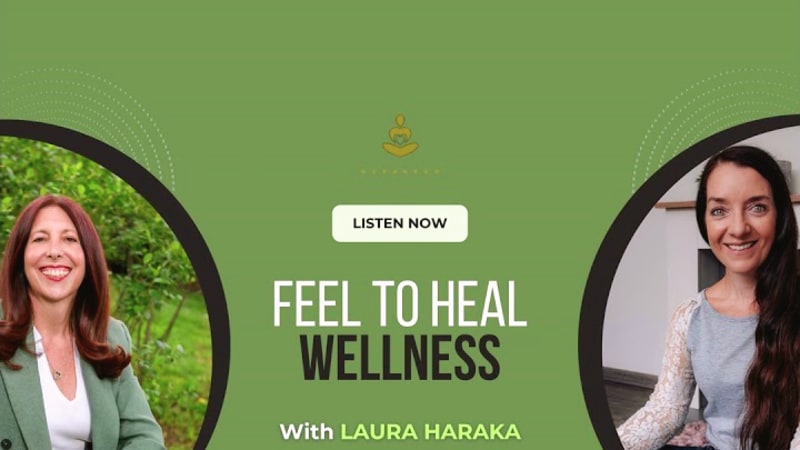
Laura Haraka, SEP, MA, is a chronic pain practitioner, mind-body coach, certified Somatic Experiencing practitioner, YogaBody Breath Coach and breathwork facilitator. She works through Feel to Heal Wellness, helping people use their own innate healing capabilities to move through chronic pain, gastrointestinal problems, anxiety and other long-standing symptoms.
Laura Haraka, SEP, MA, is a chronic pain practitioner, mind-body coach, certified Somatic Experiencing practitioner, YogaBody Breath Coach and breathwork facilitator. She works through Feel to Heal Wellness, helping people use their own innate healing capabilities to move through chronic pain, gastrointestinal problems, anxiety and other long-standing symptoms.
Her path into this work began in May 2015, when what she thought was a simple UTI turned into years of pelvic pain. After a stretch of about fifteen years as a stay-at-home mother to her two daughters, she found herself going from doctor to doctor without a diagnosis or relief. Eventually she discovered mind-body medicine, and a book called The Presence Process introduced her to conscious connected breathing. She practiced it twice a day for three months, and her pain gradually began to shift. She felt called to share breathwork and began teaching it before she had formal training.
Today her one-on-one coaching blends TMS recovery work, Somatic Experiencing and breathwork. The aim is to help clients rewire pain patterns, regulate the nervous system and reconnect with the body's natural capacity to heal. Sessions take place over Zoom. Her somatic toolkit includes grounding and orienting, pendulation, tracking sensations, and visualization and resourcing. She also teaches yogic breathing (pranayama), including fire, water and earth breathing, for energy, steadiness and rest.
Much of her work centers on chronic pelvic pain, and she also supports people with fatigue, migraines, fibromyalgia and anxiety. She writes regularly about the mind-body approach, from journaling and boundaries to joy and breath. Her message is that the answers are within, and that pain can be met with compassion rather than fear.
FAQ
Questions
Laura Haraka, SEP, MA, is a chronic pain practitioner, mind-body coach, certified Somatic Experiencing practitioner, YogaBody Breath Coach and breathwork facilitator who works through Feel to Heal Wellness. Her own entry point was pelvic pain that began in May 2015 as what she assumed was a simple UTI, followed by years of moving from doctor to doctor without a diagnosis or relief. After roughly fifteen years as a stay-at-home mother to her two daughters, she turned to mind-body medicine, and a book called The Presence Process introduced her to conscious connected breathing. She practiced it twice a day for three months, and her pain gradually began to shift, which led her to teach breathwork before she had formal training. That lived experience is why her work resonates with people who have been through the medical system without answers. Her central claim is that the body's own capacity to heal can be reached, and that pain can be met with compassion rather than fear. What sets her apart is that this personal story is paired with clinical-leaning credentials, so the approach rests on nervous system work rather than inspiration alone.
Laura Haraka's work draws on three strands rather than one: Somatic Experiencing, a body-based approach to nervous system regulation; TMS recovery work, which treats tension-related pain as patterns that can be rewired; and the yogic breathing tradition of pranayama. Her Somatic Experiencing training anchors her one-on-one coaching, and her toolkit includes grounding and orienting, pendulation, tracking sensations, and visualization and resourcing. On the pranayama side she teaches fire, water and earth breathing for energy, steadiness and rest, and her YogaBody Breath Coach credential places her within the yoga-breath teaching world. Her entry into breathwork traces back to the conscious connected breathing described in The Presence Process, which she names as the first real influence on her practice. This is a mind-body lineage rather than a devotional or guru-based one, so newcomers looking for a sectarian structure or a formal initiation line will not find it here. Her credentials and practice focus center on chronic pelvic pain, fatigue, migraines, fibromyalgia and anxiety, which is where these traditions get applied most concretely.
There are no albums or published books attributed to Laura Haraka in BrightStar's records, so the entry point is her own written and online material. Her website at feeltoheal.live carries her regular writing on the mind-body approach, covering topics like journaling, boundaries, joy and breath, and it is the most direct way to see how she frames chronic pain. Her YouTube channel is the next stop for watching breathwork and somatic material in motion, and her Spotify show offers an audio version of her approach for listening during a commute or practice. A newcomer might read her website essays first to understand the core premise that pain can be met with compassion, then move to the audio and video for how she speaks about it. Because her pranayama teaching includes fire breathing, which is energizing, it is worth starting with her calmer material on regulation before attempting more activating techniques. Readers with a specific diagnosis should treat her material as a complement to medical care rather than a replacement for it.
Many breathwork facilitators come from yoga studios or group-retreat circuits, while Laura Haraka's work starts from a chronic pelvic pain story and builds outward from clinical-leaning training. Her combination of Somatic Experiencing, TMS recovery work and pranayama is less common than a single-method breathwork practice, because it asks the nervous system to be regulated before breath is used for energy or steadiness. Her somatic toolkit, including pendulation and tracking sensations, gives sessions a precise, sensation-based structure instead of relying mainly on guided imagery or intensity. She works one-on-one over Zoom, which means her sessions are tailored to a single person's symptoms rather than delivered to a room. Her YogaBody Breath Coach credential and her SEP designation together signal training in both breath and somatics, which is a rarer pairing. The tradeoff is that the one-on-one format offers less community and fewer collective experiences than group breathwork, and the approach is more specialized than general wellness breathwork.
Laura Haraka's work is not well suited to people seeking group breathwork ceremonies, large communal sessions, or high-intensity experiences built around release or catharsis. Her framing is regulation-first, so readers expecting a dramatic breakthrough session may find her measured, sensation-led style slow by comparison. Those looking for a devotional or ceremonial spiritual tradition, with chant, initiation or a defined scriptural path, will also find her lineage more clinical than sacred. People with acute symptoms, undiagnosed pain, or conditions that require medical investigation should see a physician first, since her coaching is designed to complement medical care rather than substitute for it. Anyone expecting a guaranteed cure for chronic pain will be disappointed, because her stated aim is to help clients rewire pain patterns and reconnect with the body's natural capacity to heal, which takes sustained practice. Those who want a large body of published books, albums, or recorded talks to study will also be underserved, since BrightStar's records do not list them.
BrightStar currently has no upcoming events crawled for Laura Haraka, so there are no confirmed tour dates, retreats or workshop cities to list. Her primary hub is the Feel to Heal Wellness website at feeltoheal.live, which is where her one-on-one Zoom coaching and writing are presented and where booking information would be found. Her YouTube channel at youtube.com/channel/UCSgrR7km3RkLEsOGGtHInsw is the most likely place for new video material, and her Spotify show is where audio releases would appear. There are no album or book releases attributed to her in the records, so new releases are not something to watch for in the music or publishing sense. Because her work is primarily delivered online, travel is not a central part of her practice, and location is less relevant than for in-person teachers. Checking her website and YouTube channel directly is the most reliable way to see current offerings, since BrightStar's listings may lag behind her own updates.
Laura Haraka teaches through one-on-one coaching that blends TMS recovery work, Somatic Experiencing and breathwork, with sessions held over Zoom. Her method is attentive to what is happening in the body in the moment, using tools such as tracking sensations, pendulation between comfort and discomfort, and grounding and orienting to help the nervous system settle. A session is likely to be slow and conversational in tone, with the client's own sensations setting the pace rather than a fixed script or sequence. Visualization and resourcing are part of the toolkit, so sessions may include calling up a sense of safety or steadiness to work with difficult sensations. Pranayama work, including fire, water and earth breathing, is taught for energy, steadiness and rest, so the breath component can shift depending on whether the goal is activation or calm. The style is restrained and clinical in its vocabulary, which suits clients with chronic pain who want a measured approach rather than a performance-based one.
The most consistent theme in Laura Haraka's teaching is the premise that the answers are within the person, and that the body holds its own capacity to heal. A second theme is that chronic pain can be met with compassion rather than fear, which shapes how she frames symptoms and the nervous system's role in them. Her work repeatedly returns to rewiring pain patterns and regulating the nervous system, rather than suppressing symptoms or pursuing a single diagnosis. Her writing extends beyond the session room into journaling, boundaries, joy and breath, which signals that she treats emotional and relational life as part of the picture. Conscious connected breathing, the practice that first helped her pelvic pain shift, remains a foundational reference point across her material. Her focus on chronic pelvic pain, fatigue, migraines, fibromyalgia and anxiety gives these themes a concrete clinical edge, so they are less abstract than general mindfulness messaging. Readers who prefer purely philosophical or devotional teaching may find this focus on symptoms and nervous system mechanics more practical than they expected.
BrightStar's records do not list specific published talks, lectures or course titles attributed to Laura Haraka, so no named talk series can be recommended with confidence. Her independently accessible material sits mainly on her Feel to Heal Wellness website, where she writes regularly about the mind-body approach. Her YouTube channel is the most likely place to find recorded video teaching, and her Spotify show may contain spoken audio content, though the records do not describe individual episodes. Students who want to study her work independently should look at her writing on journaling, boundaries, joy and breath, which is the most substantive written body of work described in her profile. Because the records do not enumerate her talks, anyone planning a structured study path should browse the YouTube channel and show directly to see what is currently available. Her one-on-one coaching is the primary format for her teaching, so independent study materials are secondary to her live work over Zoom.
No formal yoga or medical background is needed to approach Laura Haraka's breathwork and writing, though her material assumes a basic interest in how the body and nervous system respond to pain. Her somatic vocabulary, including pendulation, orienting, tracking sensations and resourcing, is used in context during her coaching and is accessible to first-time readers with some patience. Newcomers to pranayama may find fire, water and earth breathing easier to approach after first learning the calmer, regulation-focused material. The approach is trauma-informed in its somatic grounding, so readers who have experienced trauma may find the body-tracking elements useful but should move at a pace that feels safe. Familiarity with the terms Somatic Experiencing and TMS will help with some of her writing, though neither requires prior training to understand the core ideas. Anyone managing a diagnosed condition should keep their clinician involved, since her work is positioned as complementary to medical care.


Bist du das? Diese Seite beanspruchen ›
There's more where this came from.
BrightStar is the global directory of artists, teachers, and healers in the wellness and spiritual movement. Find your next experience — or add yourself.
Discover More Artists
Browse 14,000+ curated profiles across kirtan, yoga, meditation, and beyond.
Explore directory →Find an Event Near You
Kirtan, retreats, sound baths, breathwork, ceremonies — happening this week.
Browse events →Add Your Profile
Are you an artist, teacher, or healer? Get listed — free, AI-assisted, live in minutes.
Get started →