

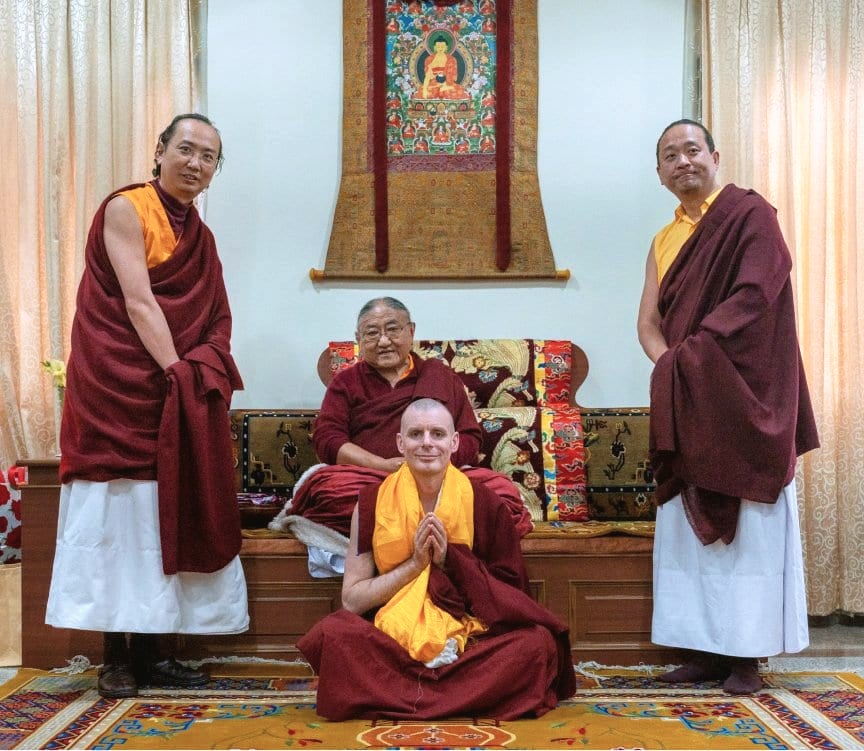
LR

Lama Rinchen
Meditation Teacher
Über
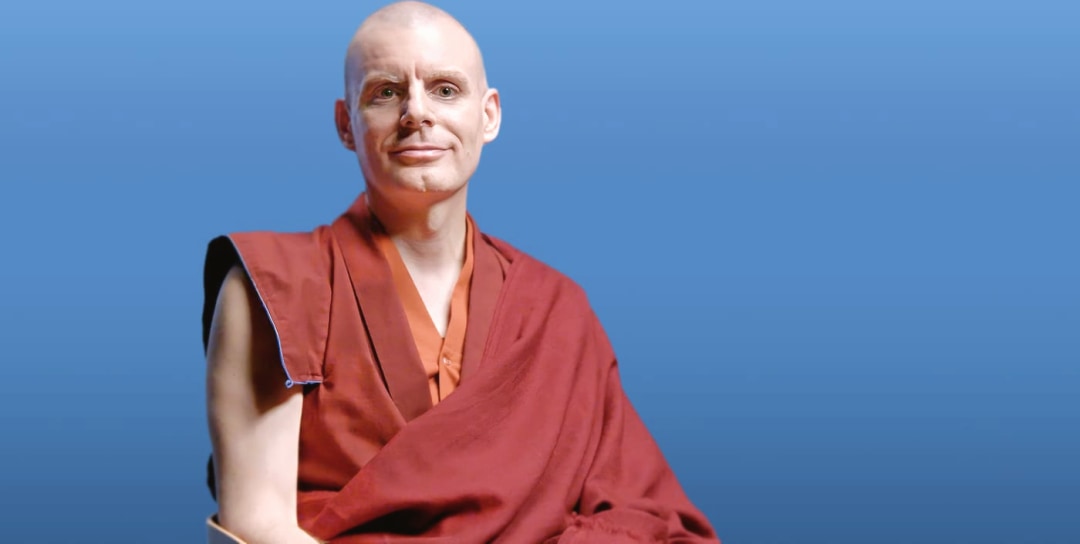
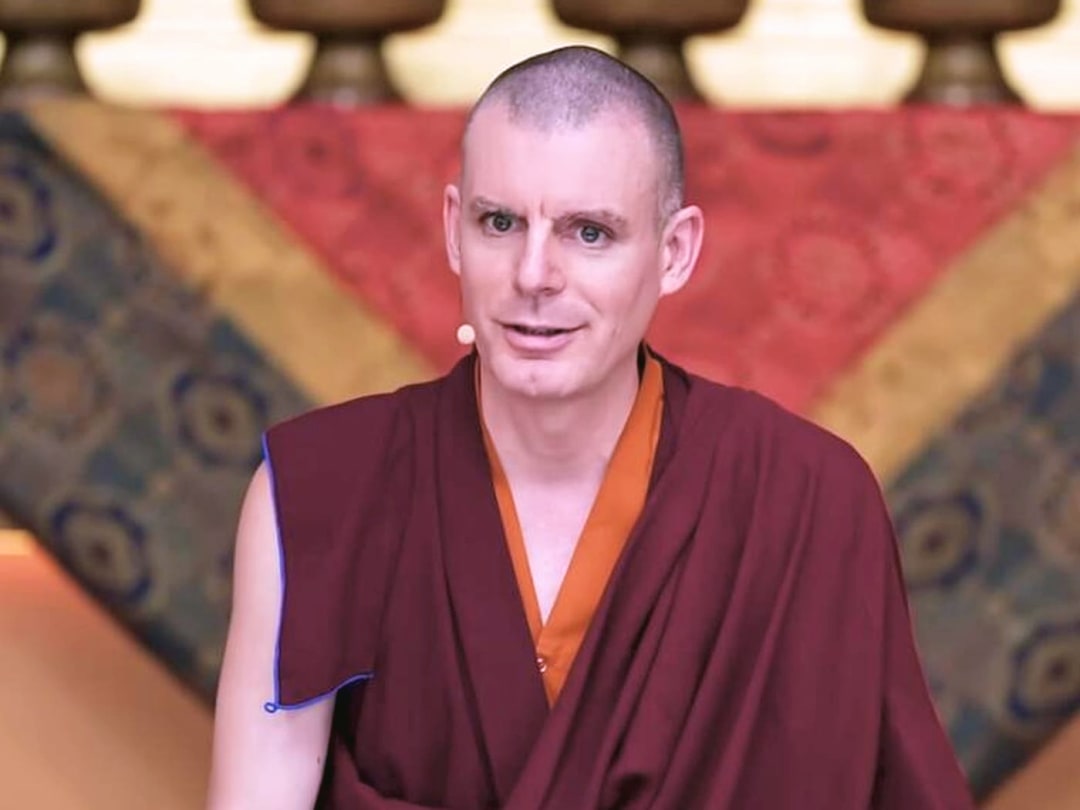
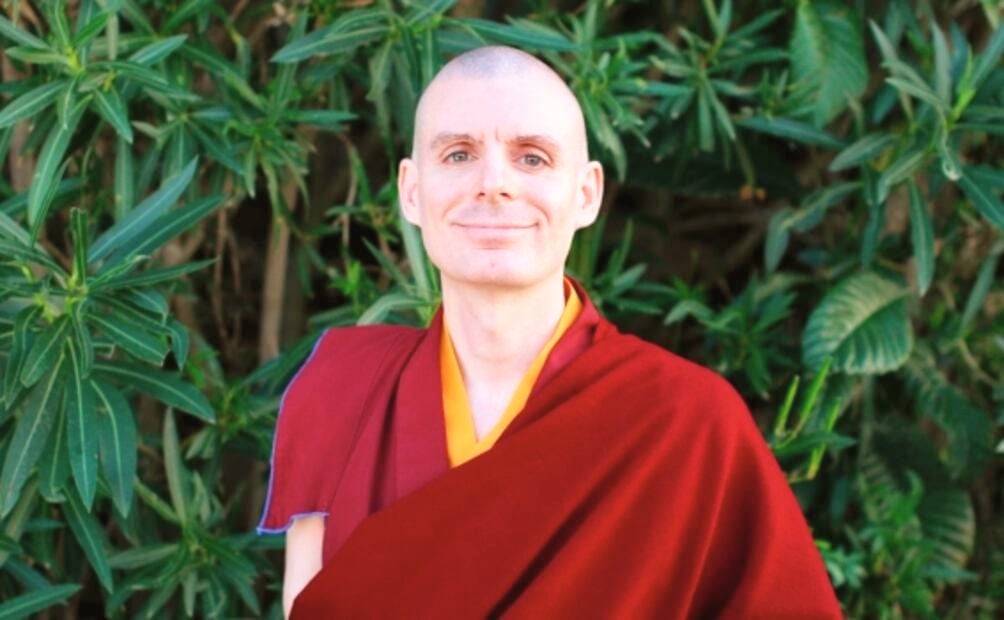
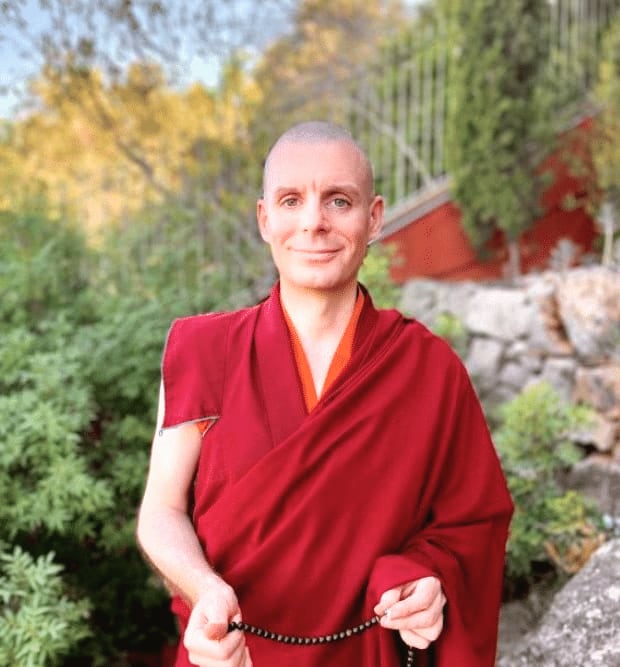
Lama Rinchen Gyaltsen, also referred to as Khenpo Rinchen Gyaltsen and styled "Venerable", is a Buddhist teacher and meditation guide whose work is rooted in the Sakya tradition. He is the teacher behind Paramita, an international collective of Buddhist groups that share meditation and the teachings of the Buddha, with the Centro Budista Sakya in Alicante, Spain, as its home base.
Lama Rinchen Gyaltsen, also referred to as Khenpo Rinchen Gyaltsen and styled "Venerable", is a Buddhist teacher and meditation guide whose work is rooted in the Sakya tradition. He is the teacher behind Paramita, an international collective of Buddhist groups that share meditation and the teachings of the Buddha, with the Centro Budista Sakya in Alicante, Spain, as its home base.
He designed Paramita's training programme: five levels, each with an essential course and enrichment courses, introducing the Mahayana and Vajrayana teachings step by step. The programme is built to suit students of any background, including people with no prior knowledge of Buddhism. It aims to stay faithful to the core of classical Buddhist philosophy while speaking to contemporary sensibilities, and to make ancient wisdom accessible to the Western mind and the Spanish-speaking community. The pages describe it as drawing on an unbroken lineage.
Many people begin with the Entrenamiento Mental Integral (EMI), a four-module course he guides. Its modules are Calma y Lucidez (calm and clarity), Bondad y Altruismo (kindness and altruism), Compasión y Cambio (compassion and change) and Sabiduría y Descubrimiento (wisdom and discovery). It combines traditional teachings with modern practice, from calming meditations to vipassana. Alongside the courses he leads live review and question-and-answer sessions and group meditations with students around the world.
Students and course pages describe his teaching as clear and close, with a sense of humour and practical examples and memorable metaphors. The programme's pages say more than 60,000 people have taken part in Paramita courses, online and in person.
Questions
Lama Rinchen Gyaltsen, also known as Khenpo Rinchen Gyaltsen and styled 'Venerable', is a Buddhist teacher and meditation guide working in the Sakya tradition of Tibetan Buddhism. He is the teacher behind Paramita, an international collective of Buddhist groups whose home base is the Centro Budista Sakya in Alicante, Spain. Students tend to follow him for his teaching style rather than for any performance or product: his talks are described as clear, close, and funny, and he relies on practical examples and memorable metaphors to explain meditation and classical Buddhist philosophy. The Paramita pages say more than 60,000 people have taken part in its courses, online and in person, which gives his work a large and consistent student base. For a seeker who wants a structured path rather than a loose collection of inspirational quotes, that combination of scale and method is the main reason his work gets attention. He is best understood as a lineage-based teacher who builds courses, not a figure whose reputation rests on one headline moment.
His work is rooted in the Sakya tradition, one of the principal schools of Tibetan Buddhism, and the Paramita materials say the teachings are passed down through an unbroken lineage. The programme he designed introduces both the Mahayana and Vajrayana teachings in steps, so the Sakya framework is visible in how the material is sequenced rather than only in its vocabulary. Readers who are new to the tradition should know that Vajrayana content comes in later levels, after the foundations of Mahayana thought and practice are in place. The programme aims to stay faithful to the core of classical Buddhist philosophy while speaking to contemporary sensibilities, which means it is not a museum reconstruction of Tibetan monastic life. Serious students who want the historical detail behind the Sakya school will find that the Paramita framework points them toward the lineage rather than replacing it. Our full coverage of his teaching lineage will be added to this profile as it is published.
Most people begin with the Entrenamiento Mental Integral, or EMI, a four-module course that he guides and that is widely used as the entry point into his teaching. The four modules are Calma y Lucidez (calm and clarity), Bondad y Altruismo (kindness and altruism), Compasión y Cambio (compassion and change), and Sabiduría y Descubrimiento (wisdom and discovery), and they move from settling the mind toward insight. The course combines traditional teachings with modern practice, including calming meditations and vipassana, so a beginner gets both stillness and analytical investigation. The first module is the natural first step, because it establishes the basic calm that the later kindness and compassion modules depend on. Since the course materials are in Spanish, English-speaking newcomers should check the language of each module before committing. Beginners who want the full structure can then move into the Paramita five-level training programme, which is designed for students with no prior knowledge of Buddhism.
Many meditation teachers in the mindfulness space present practice as a stress-reduction tool that can be separated from its doctrinal background, and Lama Rinchen takes the opposite approach. His Paramita programme is built as a graded curriculum in which students move from foundational meditation through Mahayana and Vajrayana teachings, with each level carrying an essential course and enrichment courses. He designed that five-level structure himself, which makes it unusual to find a single teacher whose method is both the practice and the map of how the practice develops. The teaching is delivered in the Spanish-speaking world from Alicante, which gives it a different geographic and linguistic centre from the largely English-language mindfulness market. Students tend to single out his humour and his use of metaphors as what makes the material stick, rather than the depth of his scholarship alone. The practical result is a teacher whose strength is explanation and sequence rather than charisma.
His work is probably not a good fit for anyone who wants a fully secular mindfulness app with no interest in Buddhist doctrine, because the Paramita courses are explicitly built around classical Buddhist philosophy and move into Mahayana and Vajrayana teachings. Readers who want quick, self-contained relief from stress may find the multi-module structure slow, since the EMI and the five-level programme ask for sustained commitment across months rather than sessions. People who want Tibetan chant, devotional music, or ceremonial sound will not find that here, because his public teaching is spoken guidance and dharma talk, not sung material. Those who expect a purely academic, historical treatment of Tibetan Buddhism without practice may also be frustrated, since the emphasis is on meditation and application. The course materials are largely in Spanish, which is a real barrier for English-only listeners. Honest students will recognise that a teacher who insists on structure and lineage is the wrong fit for anyone who wants to pick and choose freely.
The most reliable starting point is the official site, paramita.org, which hosts the Paramita courses, the training programme, and the event information for the collective. Lama Rinchen also has a YouTube channel and a Spotify listing that is registered as a show, so audio and video content can be followed through those platforms. The one dated event currently on record is at the Centro Budista Sakya in Alicante, Spain, on 2 April 2027 at 14:00 UTC. A second entry for the same date is listed at 15:00 UTC without a venue, so it is worth confirming that listing directly on the Paramita site. Beyond Alicante, no other tour cities or retreat locations are listed in the current data, which suggests that his in-person activity is concentrated around the Paramita home base. Students who want to hear about live review sessions and group meditations should watch the official channels, since those sessions are the core of the teaching relationship.
His teaching style is clear and close, with a sense of humour and a steady reliance on practical examples and memorable metaphors that students repeat afterward. The programme includes live review sessions, question-and-answer sessions, and group meditations with students around the world, so the experience is interactive rather than a one-way lecture. What surprises newcomers is how plainly he explains difficult material, treating concepts from the Mahayana and Vajrayana frameworks as things to be understood through daily experience. The sessions tend to move between guided meditation, explanation, and questions from the group, which keeps the pace grounded. Because the courses are delivered online as well as in person, a student in another country can take part in the same group practice as those in Alicante. Anyone expecting a silent, austere retreat in the style of some strict vipassana centres should know that his format is more conversational and structured around teaching.
The clearest recurring themes are visible in the four EMI modules, which trace a path from calm and clarity through kindness and altruism, then compassion and change, and finally wisdom and discovery. Metta, or loving-kindness, runs through the second module and shapes how the later compassion work is framed. Vipassana appears as a practical tool for investigating the mind, and the course treats it as complementary to calm-abiding practice rather than a replacement for it. The Paramita programme extends these themes through its graded movement from Mahayana to Vajrayana, so the later levels build on the ethical and altruistic foundations laid earlier. Mindfulness is present as a daily discipline, but it is embedded in a larger framework of Buddhist philosophy rather than offered as an isolated technique. Students who want to understand these themes in depth should start with the EMI modules before moving to the broader programme.
The data available for this profile confirms that he guides a four-module course, the Entrenamiento Mental Integral, whose structure is designed for step-by-step study. The Paramita training programme, with its five levels and essential and enrichment courses, is also designed to be followed in sequence by students working independently. Lama Rinchen has a YouTube channel and a Spotify listing registered as a show, which suggests that recorded talks or guided material are available through those platforms, though the specific catalogue is not confirmed in the current data. No books by him are listed on the profile, so anyone looking for a printed study text will need to check paramita.org directly. Because the course pages describe live review and question-and-answer sessions, some of the most useful material may only exist as recordings made during those sessions. Independent students should verify what is currently published before building a study plan around any single channel.
No prior background is required to begin, and the Paramita programme was built specifically for students of any background, including people with no prior knowledge of Buddhism. The EMI is the logical starting point for a complete beginner because its first module, Calma y Lucidez, teaches calm and clarity before the more demanding material appears. The programme introduces the Mahayana and Vajrayana teachings step by step, so the conceptual load increases gradually rather than arriving all at once. Students who are already familiar with Buddhist vocabulary such as dharma, lineage, or vipassana will recognise the terms more quickly, but the course explains them as it goes. The main practical barrier is language, since the EMI modules and much of the Paramita material are presented in Spanish. Anyone with a serious interest in the Sakya tradition may eventually want to read outside the programme, but that is an enrichment choice rather than a prerequisite.


Bist du das? Diese Seite beanspruchen ›
There's more where this came from.
BrightStar is the global directory of artists, teachers, and healers in the wellness and spiritual movement. Find your next experience — or add yourself.
Discover More Artists
Browse 14,000+ curated profiles across kirtan, yoga, meditation, and beyond.
Explore directory →Find an Event Near You
Kirtan, retreats, sound baths, breathwork, ceremonies — happening this week.
Browse events →Add Your Profile
Are you an artist, teacher, or healer? Get listed — free, AI-assisted, live in minutes.
Get started →