
CV

Christel Veraart
Composer
Über
Christel Veraart is a composer, singer, lyricist, author and filmmaker whose music and visual work move across genres and cultures. Originally from the Netherlands, she is now based in Sedona, Arizona, where the ancient stones and star-filled skies inform her work. Her travels, from Argentina to Indonesia and Hawaii to Alaska, give it a sense of place, mystery and emotion. Her music has been described as ambient, meditative, avant-garde classical, and her compositions range from solo and small ensemble to large orchestra.
Christel Veraart is a composer, singer, lyricist, author and filmmaker whose music and visual work move across genres and cultures. Originally from the Netherlands, she is now based in Sedona, Arizona, where the ancient stones and star-filled skies inform her work. Her travels, from Argentina to Indonesia and Hawaii to Alaska, give it a sense of place, mystery and emotion. Her music has been described as ambient, meditative, avant-garde classical, and her compositions range from solo and small ensemble to large orchestra.
She composes for film, dance and stage and has released more than ten albums and numerous singles. Among them are Polar Suite, Lotus Dreams, Pleiades, Nostalgia and Sacred Arias. Pleiades was named Best Ambient Album of the Year in 2020. Her music has been broadcast on the US radio programs Hearts of Space and Night Tides, and she has also composed music and sound design for a Google Doodle.
Her studies include orchestration at Berklee School of Music in Boston, classical voice, and classical piano at conservatories in Maastricht and Buenos Aires. Argentina has had a lasting influence on her life and art. It inspired her debut book, Santa Fe & Esmeralda, and the film series adapted from it. Santa Fe & Esmeralda – CrossRoads, her directorial debut, won Best Story at the Toronto LGBTQ+ Film Festival in 2024.
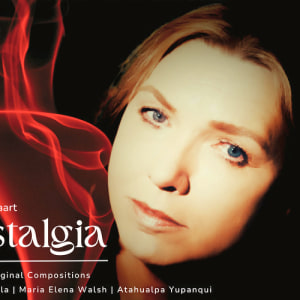
Christel serves as creative partner and composer in residence with Sedona Ballet. With Ballet Arizona choreographer Nayon Iovino, she premiered music from her album Nostalgia in a new ballet at the inaugural Sedona Choreography Retreat. She describes her music as reflecting the beauty and challenges of places both real and imagined.




Questions
Christel Veraart is a Sedona, Arizona-based composer, singer, lyricist, author and filmmaker from the Netherlands, and her profile also lists her as a meditation teacher. Her work stands out because it moves across media instead of staying in one lane, with more than ten albums and numerous singles alongside film scoring, dance and stage composition, sound design for a Google Doodle, and a directorial debut. Her bio ties the music to place, citing the ancient stones and star-filled skies around Sedona and travels through Argentina, Indonesia, Hawaii and Alaska. The Argentina-rooted records and the Latin-titled sacred singles give her ambient and meditative catalogue a clearer sense of geography and text than most music in those categories. The record documents her recordings and stage work in detail, but it does not describe a series of recorded talks or teaching programs, so the teaching credential is harder to assess than the music. Her bio notes that Pleiades was named Best Ambient Album of the Year in 2020, which is the closest thing to a headline honor in the record.
The profile does not name a lineage teacher, spiritual tradition, or formal school of meditation, so any claim beyond the documented record would be invention. What the record does show is a classical training path: orchestration at Berklee School of Music in Boston, classical voice, and classical piano at conservatories in Maastricht and Buenos Aires. That background places her closer to the Western art-music lineage, where ambient and avant-garde classical sit alongside sacred art song, than to a devotional or yogic tradition. The Latin-titled singles from 2021 to 2024, including Panis Angelicus, Litany for the Feast of All Souls, Fac Me Vere Tecum Flere and Ave Maria (Gounod), point to a sacred choral and song repertoire rather than to mantra practice. The 2023 single Jesu Joy of Man's Desiring extends that thread into well-known devotional material. Her meditative label appears to be a listening category applied by others, since her bio says her music has been described as ambient, meditative and avant-garde classical rather than presenting itself as a practice-based lineage.
Pleiades is the most logical first album, a seven-track release from 2020 that her bio credits with the Best Ambient Album of the Year honor. It is short enough to hear in one sitting and represents the ambient side of her catalogue clearly. Next, Nostalgia - Reflections on Argentina (2025, eleven tracks) gives the Argentina thread that her bio describes as lasting, and it is the album whose music premiered in a new ballet at the inaugural Sedona Choreography Retreat. Sacred Arias (2025, eight tracks) is the best entry for the vocal and sacred side, because Christel Veraart trained in classical voice and the album foregrounds that. Anthology (2020, eighteen tracks) appears to be a broader collection given its title, so it works as a sampler for listeners who want range before committing to a single program. Newcomers who prefer longer forms can move to Polar Suite (2015, fifteen tracks), which is the longest of her albums in the record, though it is less representative of her current direction.
Her distinguishing feature is that the music is built to live inside other forms, not only inside a listening room. Her bio credits her with composing for film, dance and stage, scoring work that moves between solo, small ensemble and large orchestra. The ballet collaboration with Ballet Arizona choreographer Nayon Iovino, which premiered music from Nostalgia at the inaugural Sedona Choreography Retreat, shows the work being tested against bodies in motion rather than just against headphones. Her directorial debut, Santa Fe & Esmeralda – CrossRoads, won Best Story at the Toronto LGBTQ+ Film Festival in 2024, which places her among composers who also tell stories on screen. Her classical voice training means that sung lines, including sacred Latin texts, carry weight in the mix that instrumental ambient composers rarely attempt. Many ambient artists produce texture first; Christel Veraart's catalogue reads as song and scene first, with texture serving those.
Listeners seeking high-BPM electronic music, dance-floor pacing or driving rhythms will find little to grip here, because the catalogue is built around slow development and sustained tone. Those who want wordless drone or pure non-vocal ambience may also be surprised by how often sung lines and sacred Latin texts appear in the singles and recent albums. Listeners who expect a structured teaching program will not find one in the record, since her profile lists her as a meditation teacher but documents no retreats, courses or recorded talks. The film and ballet work, while strong, can feel episodic to listeners who come expecting a single continuous album concept. The Argentina and Sedona-rooted material draws on specific places that may matter more to listeners who have traveled there than to those approaching the music purely as sound. Newcomers who prefer instrumental ambient in the vein of stripped-down electronic production may find the classical voice and orchestral dimension more formal than they expected.
The record contains no crawled upcoming events, so no dated tour or concert schedule can be confirmed from the data available here. The most reliable source for new material is the artist's official website at christelveraart.com, which is the only first-party channel listed in the profile. Her Spotify artist page and Apple Music page carry the release history, and the Spotify album entries show exact release dates, such as Sacred Arias on 2025-10-29 and Nostalgia - Reflections on Argentina on 2025-06-08. Her YouTube channel is also listed and is a useful place to watch for new recordings or video work tied to film and ballet projects. Since her base is Sedona and her creative partnership with Sedona Ballet is the most concrete institutional tie in the record, announcements from Sedona performance and dance organizations are worth monitoring. The Sedona Choreography Retreat, where Nostalgia music premiered, is the standout venue in the record to watch for future collaborations.
The record describes her music as ambient, meditative and avant-garde classical, and her compositions range from solo pieces to small ensemble and large orchestra. The record does not itemize instrumentation for individual albums or singles, so any specific instrument list would be guesswork. Her classical voice training, documented in her bio, suggests that the voice is a central expressive element rather than a background texture, and the Latin-titled singles reinforce that reading. The pacing across the catalogue leans toward sustained, unhurried development, with album lengths ranging from seven tracks on Pleiades to eighteen on Anthology, which allows movements to breathe. Singles such as Bacon Tree Ballad and My Wolf and I suggest a more song-based, narrative approach in shorter forms. The overall impression is restraint and space rather than density, with the classical training shaping the phrasing more than any stated genre convention.
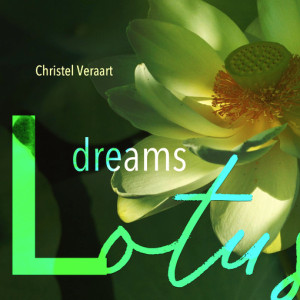
Pleiades (2020) is essential because it carries the Best Ambient Album of the Year credit that her bio highlights and captures the ambient side of her work in seven tracks. Lotus Dreams (2019, nine tracks) is the album to hear for listeners who want the meditative register in a longer, more reflective frame. Polar Suite (2015, fifteen tracks) is the most expansive of her albums in the record and shows the form-driven ambition behind her later work. Nostalgia - Reflections on Argentina (2025) is essential for anyone following the Argentina thread that her bio describes as having a lasting influence on her life and art. Sacred Arias (2025) is the clearest statement of her sacred and vocal side, and it is the most recent full album in the catalogue. Inner Landscapes (2011, ten tracks) is the earliest album in the record and is worth hearing for the development of her approach over time. Arctic Aquarelles (2013, twelve tracks) carries northern imagery in its title, which is consistent with the travel and sense-of-place themes in her bio.
The record names few individual instrumentalists or producers, so a full roster of collaborators cannot be documented from the data. The most concrete collaboration listed is with Ballet Arizona choreographer Nayon Iovino, with whom she premiered music from Nostalgia in a new ballet at the inaugural Sedona Choreography Retreat. Her institutional partnership with Sedona Ballet, where she serves as creative partner and composer in residence, is the other clearly documented working relationship. Her training at Berklee School of Music, the Maastricht conservatory and conservatories in Buenos Aires connects her to a network of classically trained musicians, though the record does not name specific peers. Her albums are listed without record label information, which means label-level collaborators are not confirmed either. Her work spans solo, small ensemble and large orchestra formats, so the instrumental palette varies by project. Readers who need specific instrument credits for a particular album should check the Spotify or Apple Music credit listings directly rather than rely on general assumptions.
The record does not include practice-specific recommendations, so any claim about yoga suitability would go beyond the evidence. Pleiades and Lotus Dreams are the most natural candidates for seated meditation, given their ambient character and album-length development, which allows a listener to settle without interruption. Litany for the Feast of All Souls, released in 2021, has a title tied to a remembrance observance, which makes it a natural fit for ceremonies of commemoration or reflection. The sacred Latin singles, including Ave Maria (Gounod) and Panis Angelicus, suit contemplative listening and devotional settings more than movement-based practice. Sacred Arias (2025) gathers much of this vocal material and may serve listeners building a ceremonial or reflective playlist. Because the music is not framed by a specific tradition, practitioners should choose tracks based on the atmosphere they need rather than assuming a built-in ritual function.


Bist du das? Diese Seite beanspruchen ›
There's more where this came from.
BrightStar is the global directory of artists, teachers, and healers in the wellness and spiritual movement. Find your next experience — or add yourself.
Discover More Artists
Browse 14,000+ curated profiles across kirtan, yoga, meditation, and beyond.
Explore directory →Find an Event Near You
Kirtan, retreats, sound baths, breathwork, ceremonies — happening this week.
Browse events →Add Your Profile
Are you an artist, teacher, or healer? Get listed — free, AI-assisted, live in minutes.
Get started →