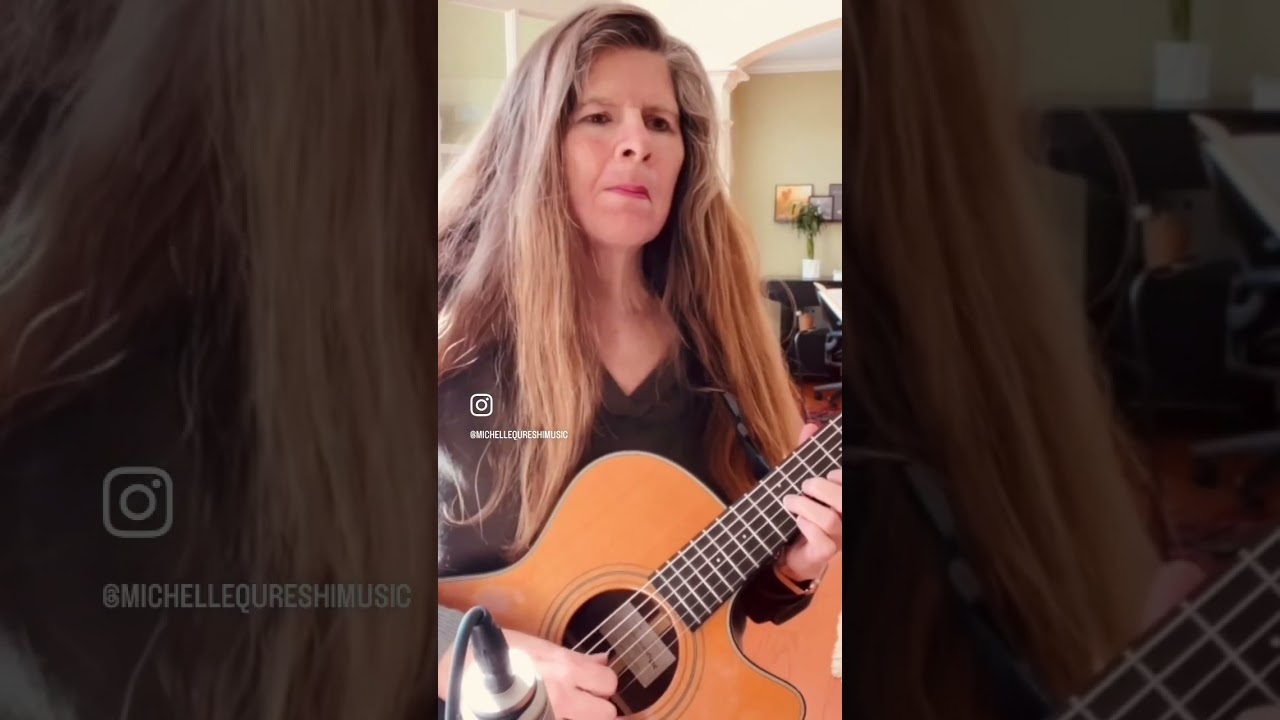
Open Window runs under three minutes, and in that time it asks more of a listener than its length suggests. It is the music video for a track from the album A Blueprint for Life, built from a small set of ideas: acoustic guitars stacked and layered until they begin to explore timbre and mood, passages that thicken into density and then fall back into space, and a title that the release material presents as an invitation to look inward. What follows is a close reading of those choices, drawn from the material available about the piece and the artist, without stretching it beyond what is documented.
The release description is specific about the instrumentation. Open Window features acoustic guitars, and the piece uses a process of layering voices, meaning multiple guitar lines built up on top of one another, to explore timbres and moods. The writing alternates between "moments of density and space," a phrase that describes the central tension of the track. Dense layers give the listener something to lean into. The open passages let the sound hang, so the ear has room to hear what remains after the stacking has done its work.
Beneath this sits what the description calls "a light touch of distant music pads." Pads, the sustained washes of sound familiar from ambient and new-age production, do a particular job. They rarely announce themselves. Instead they hold the harmony in place and set a horizon behind the guitars. The description says the pads support "the shape of the piece" and add to its "emotional intrigue," which is a fair summary of how such a texture functions: it makes the foreground feel as if it is happening somewhere specific.
For a player or a producer, the lesson in this kind of writing is restraint. Layering is easy to overdo. A track that keeps stacking parts loses the contrast between full and empty, and the space stops meaning anything. Open Window keeps the contrast intact, which is why its density reads as a choice rather than clutter.
The release material is direct about the title's intent: it "suggests an opportunity for a deeper level of self reflection." A window is an unusual image for a piece of instrumental music because it is two things at once. It is a frame that shows the outside world, and it is a surface that reflects the room you are standing in. When you look through glass at dusk, you see both the landscape and your own face.
That doubleness is what the reviewer R J Lannan picked up on in a review for Artisan Music Reviews, which describes the music as offering "a view of a landscape that is ever-changing with sky blues, tree greens, and sunny yellows." Lannan then writes:
"Her contemplative, harmonically-rich tune can be a window to the world or a window to the soul. This expansive music seems to allow for both. Listen deeply."
R J Lannan, Artisan Music Reviews
The phrase "listen deeply" is the most practical advice in the review. A track built on density and space rewards a listener who stops treating it as background. The first pass will catch the color and the movement of the guitars. A second, slower pass is where the open passages start to feel like the point rather than a pause between the parts that matter.
The artist's description positions her as a composer, multi-instrumentalist and classically trained guitarist who brings what it calls "a contemporary yet timeless aesthetic" to her work. She is described as composing and performing in a wellness modality, combining formal training with intuitive and improvisational elements. Her catalog is substantial by the material's own count: 21 albums and more than 44 singles and EPs, beginning with a first album released in 2012.
Two things stand out in her description. The first is the presentation side of her work. She performs as a solo guitarist and also as a presenter of what she calls Harmonic Sound Immersion, described as "a transformative sound meditation created by the healing vibrations of ancient and modern instruments." Open Window's layered, slow-moving texture fits that lineage: music designed to be experienced as much as heard.
The second is recognition. The description lists awards and nominations from Zone Music Reporter, New Age Music Guide, New Age Notes Radio, Echoes Radio and One World Music Radio. It also notes that her tracks have appeared on Sirius XM and in editorial playlists on Spotify and Pandora, and that her music has been heard worldwide with tens of millions of streams on global platforms. Those are the artist's own claims, presented in her release materials, and they are worth reading as such.
Start with the reviewer's instruction and give the track its full runtime without multitasking. Listen once for the density, the places where the guitar parts thicken and the textures crowd each other. Then listen again for the spaces, and notice what the pads are doing underneath when the foreground drops away. The title suggests the second listen is where the self-reflection the release describes can happen. Whether you hear the piece as a window onto a landscape or onto your own interior, the arrangement is built to allow either reading.
If Open Window holds your attention, the natural next step is the full album, A Blueprint for Life, where the track sits among the rest of the material. Read the Artisan Music Reviews piece by R J Lannan for a listener's account of the colors and moods the music evokes. And if you come across Harmonic Sound Immersion in a live or presented form, it offers a way to hear the same textural thinking in a room rather than through a screen.