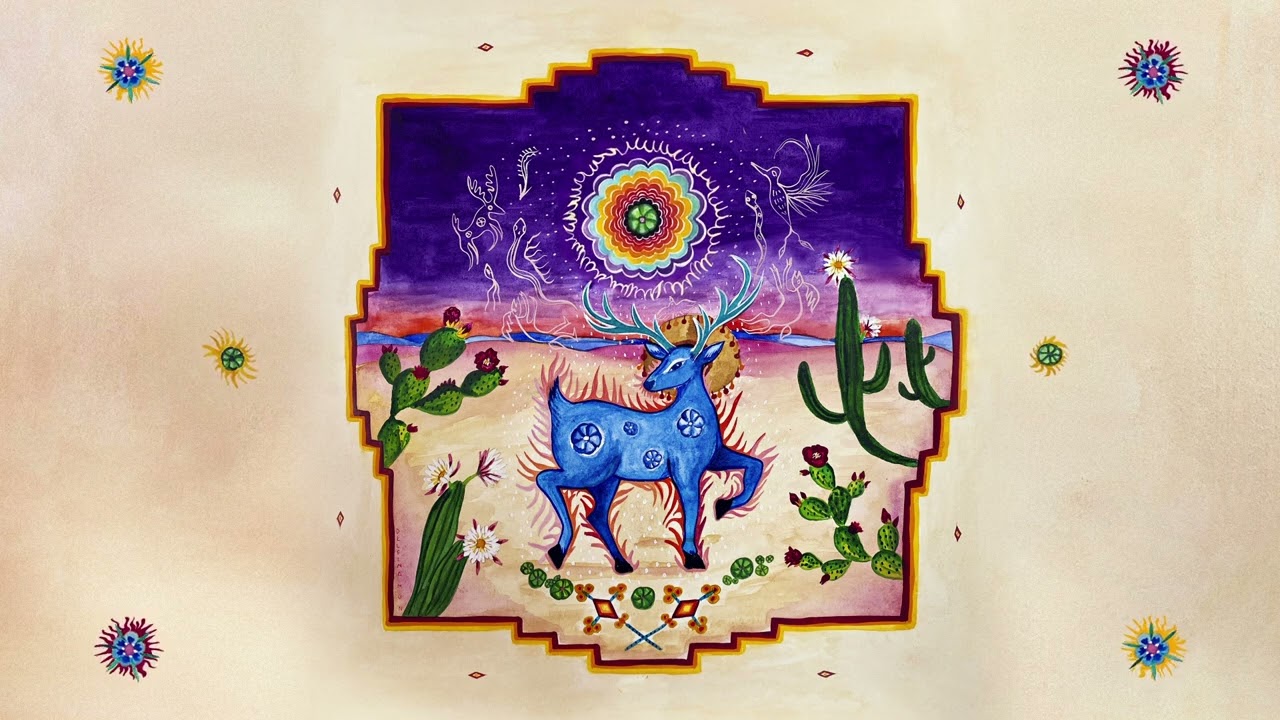
Shamboriri is a single released under the name Curawaka, a five-and-a-half-minute recording that surfaced on YouTube in early February 2022 through the artist's auto-generated "Topic" channel. Its public footprint is small and specific: a release date, a label license, a distributor, and two producer credits. Beyond that, the material available for this piece is thin, and an honest account of a track like this starts with separating what the record itself establishes from what a reader might be tempted to assume.
The video's description lists the track as released on 2022-02-04, with the copyright line crediting Curawaka under an exclusive license with Nixi Music. The upload is a "Provided to YouTube by" listing, which means the recording was delivered to the platform through The Orchard Enterprises, a company that handles distribution for independent labels and artists. The YouTube channel itself, Curawaka - Topic, is the automatically generated type of artist page that collects a musician's official audio releases in one place.
The video runs 5 minutes and 29 seconds. At the time of this writing it had accumulated roughly 336,000 views, a figure that tells us the track has found an audience without telling us anything about why. View counts reflect circulation, not meaning, and a reader should be wary of reading spiritual weight into a number.
The description credits two producers: Anna Bariyani and Txai Fernando. The tag line in the description also names Alberto Arroyo alongside the title and artist, but the material does not spell out his role on the record, so this piece will not assign him one. In recorded music, production credits typically cover the work of shaping the sound, arranging parts, and finishing the mix, and those are the kinds of decisions that determine how a track feels from the first second to the last. The credits identify who made those decisions. They do not describe how.
The title is the one piece of the record that invites interpretation, and the material gives no account of its origin, language, or intended meaning. It would be easy to guess, and easy to be wrong. If you want to know what the artist meant by the name, the most reliable routes are the artist's own website, official social accounts, and any liner notes or interviews that accompany the release. Until a source of that kind is consulted, the title stays a title.
No, not reliably. The description contains no genre label, instrumentation list, or write-up of the sound. A listener's first sense of a track is trustworthy as a personal experience, but it is not a substitute for documentation. If you are trying to place the record in a tradition, a scene, or a practice, the listening itself is the best evidence available, and it should be checked against whatever the artist has published about the work.
A five-minute single is a good size for close attention. Listen once straight through without doing anything else. Then listen again and notice where the sound thickens, where it thins, and where it seems to pause before the next entrance. Those moves are the architecture of a piece, and they are worth describing in your own words before you go looking for someone else's explanation. A listener who writes down three observations after the first pass will hear the second pass differently than one who reads a summary beforehand.
The public record on Shamboriri is short: a release date, a label license, a distributor, two named producers, and a view count that measures reach. To go further, start with the artist's own channels and official releases, look for liner notes or interviews that discuss the track's making, and check whether the title or the sound has been described by the people who made it. Then return to the recording with those sources in hand. What the track means is the part only the artist and the listener can finally supply, and it begins with paying attention to the five minutes and twenty-nine seconds that are actually on the record.