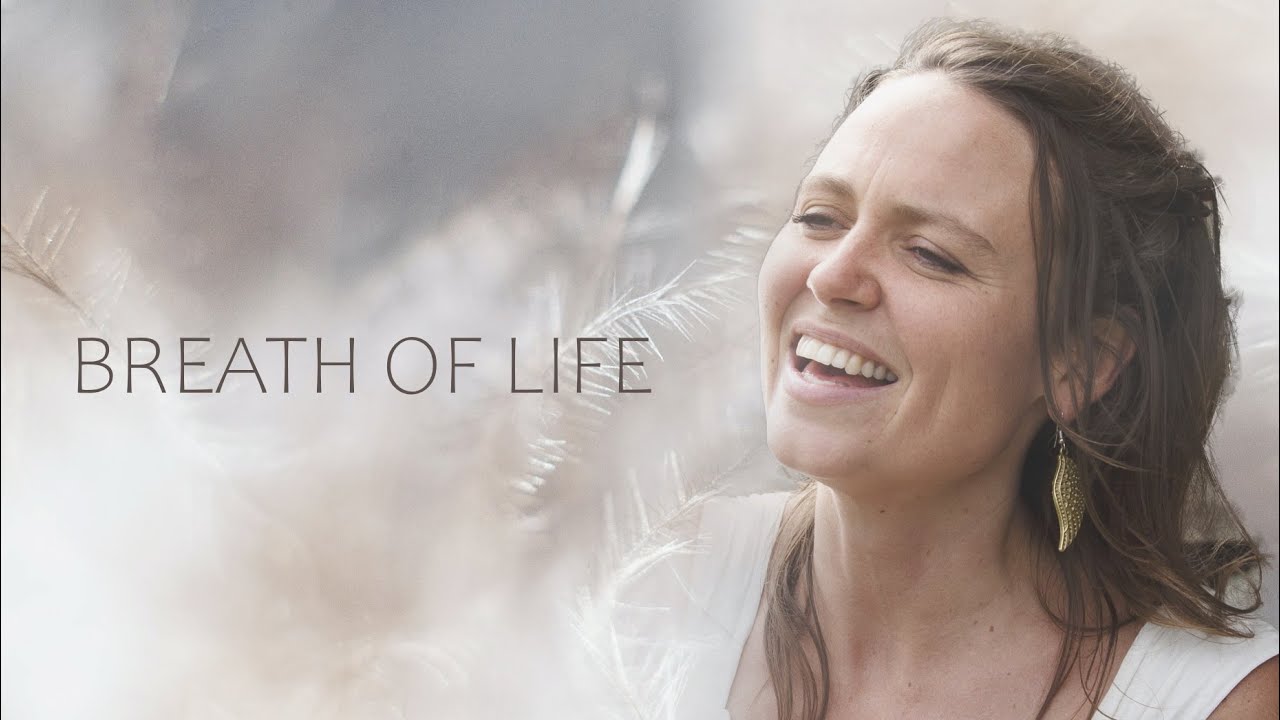
Return to Love is a short devotional song that Susie Ro wrote for her father, Nick Prater, at his bedside a few weeks before he died. Its melody and lyrics are simple enough to learn by ear, and its structure is built to be repeated, which makes it easy to sing in a room full of people who are grieving. Seven years after his passing, Ro released a lyric video of the song, timed, as she wrote in its description, to mark the end of a full cycle of mourning. The lyrics ask the singer to let go of fear, surrender to something larger, and send light and peace toward the one who is leaving. Ro's account of the song is brief, and this article draws on that account, the lyrics she published, and the chords she gave for guitar players. It explains why a song written in a hospital-adjacent intimacy has become something she invites others to take into their own memorials, funerals and farewells.
Most songs written in grief stay in the room where they were born. Ro chose the opposite path. The description of the 2020 lyric video is explicit about her intention: "You have full permission to sing and share this song, especially at memorials, funerals or for anyone who is losing a loved one, or who is nearing the end of their lives." That sentence changes how the song should be understood. It is not only a memorial to Nick Prater. It is a tool, one she has deliberately placed in the hands of strangers.
The timing of the release matters too. Ro noted that Christmas Eve 2020 would mark seven years since her father's passing, "a whole cycle." Anniversaries in grief often arrive as a quiet recognition that something has run its course. Here, a seven-year span becomes the occasion to put a private song into public circulation. She also credited Bob from Family Freedom with making the video, which gives the song a visual form that people can sing along to without needing a performer on screen.
The opening verse is the spine of the piece. "We return to love / Leave behind the fears / That stops your wings unfolding / We return to love / Surrender to the river / That carries you home." Read slowly, these lines set up a movement with three parts. First, there is a return, which implies that love is a place we have been and can come back to. Second, there is a release: fear is described as something that stops wings from unfolding, an image of a self that cannot fully open because it is holding on. Third, there is surrender to a river, a current that moves toward home. The river is not a force to fight. It is a thing to trust.
That third image carries particular weight in a song written at a deathbed. Rivers are old metaphors for passage, and the lyric does not name death directly. Instead it describes the act of letting go as a form of trust. A listener at a funeral does not need to be told what is happening. The song gives them a posture: stop bracing, let the current carry. The repeated line "We return to love" works almost like a mantra, a phrase whose meaning deepens each time it is said, and the broken, trailing fragments near the song's end ("We return / And") leave space for the room to fill the silence with their own breath.
The middle section shifts from instruction to benediction. "May the light in thine eyes / Guide you on your way / A path of strength and faith / You are a star that never fades." The archaic "thine" and "thy" place the song in a long tradition of blessing language, the kind of phrasing people reach for when ordinary speech feels too small. This is a blessing spoken toward the person who is going, and it asks the light in their eyes to become a guide.
The verse that follows widens the frame. "May the light in thy heart / Forever grace my words / My breath, these songs, this earth / Sing a new star into birth." Here the singer's own breath and words become part of the blessing. The grief is not sealed off from the living world. The song suggests that what the dying leave behind, including the songs that are sung for them, becomes part of what keeps shining. The image of a star that never fades is an old and familiar one, and Ro's use of it is direct rather than decorative: a person is described as a light that continues.
The closing section is the simplest. "May peace be with you / Let peace be with you / May peace be with you." Repetition here is not padding. It gives a room of singers something to hold while the emotion is at its most raw. Ro's chord sheet even marks the last line, "Be with you," as a moment of its own, so the song ends not on a flourish but on a plain wish.
Ro published the chords for guitarists who want to play along, and the progression rewards close attention. The verse moves through C, E minor, A minor and E minor again. C is the home base. E minor, the relative minor of G, colors the sound with a softness that sits between major brightness and minor sorrow. A minor deepens that shadow before the progression circles back to E minor, which keeps the harmony hovering rather than landing.
The line "May the light" moves through C, B, E minor and C. The B chord is the interesting one. In the key of E minor, B major is the dominant, the chord that pulls strongly toward home. Playing it here creates a small, insistent tension before the descent to C. That tension is exactly where a singer's voice can lean into the word "light," so the harmony itself points toward what the lyric is saying. The verse for "May peace" uses C, B, E minor, E minor, which holds the tension a little longer before releasing it.
The final phrase, "Be with you," moves through D, A minor and D. The song ends on D rather than returning to C. That choice leaves the phrase open, which fits a song meant to loop. When the verse is sung again, the ear hears the D resolve into the familiar C and the cycle begins anew. For a guitarist, the practical lesson is that the progression is short and repetitive, so a group can learn it in a single gathering. For a listener, the lesson is quieter: the harmony keeps returning home, the way the lyric does.
Ro's permission is broad, but the song's construction suggests a few natural ways to use it. Because the chord changes are few and the verses repeat, a leader can teach it by singing a line and having the room answer. The lyric video lets people follow the words on screen, which matters at a service where memory may be blurred by emotion. The line "Repeat all" in the lyric sheet signals that the song is meant to be sung as long as it is needed, not performed in a fixed length.
The song also works in more intimate settings. The bedside origin is itself an instruction. A person sitting with someone who is nearing the end of life could sing the blessing verses softly, using the name of the one they are with in the place of "your." Ro's own description speaks to that circumstance directly, inviting the song for "anyone who is losing a loved one, or who is nearing the end of their lives." The song is not a performance piece. It is closer to a companion for a hard hour.
The most useful thing about this song may be its restraint. It does not explain death, promise an afterlife, or argue for a theology. It offers images of returning, releasing and shining, and it leaves room for each singer to fill them with their own loss. Ro writes from the particular: a father, a bedside, a seven-year cycle. The song becomes general because she has been willing to make it so, offering it freely rather than keeping it as a private relic.
Start with the 2020 lyric video, which pairs the words with the recording so you can hear how the melody lifts and settles. If you play guitar, take the chord sheet in the description and learn the verse progression first, then the blessing lines. If you are preparing a memorial or sitting with someone who is dying, sing the song slowly, let the repeated lines breathe, and use the closing phrase as a place to rest. Ro's full catalogue and background are available at her official site, susiero.com, where her own words about her work will give you more context than any summary can.