BrightStar
BlogI miei biglietti
Saved events
Aiuto e contattiRegistratiAccedi
Eventi
  • Sfoglia tutti i Eventi
  • Yoga
  • Meditazione
  • Breathwork
  • Qigong
  • Musica sacra
  • World music
  • Musica medicina
  • Sound healing
  • Danza estatica
  • Cerimonia
  • Medicina delle piante
  • Guarigione energetica
  • Satsang e saggezza
  • Tantra
  • Ritiri
  • Tutte le categorie →
Destinazioni
  • Bali
  • Sedona
  • Los Angeles
  • Costa Rica
  • Tulum
  • Byron Bay
  • San Francisco
  • Austin
  • New York
  • San Diego
  • Denver
  • Seattle
  • Portland
  • Miami
  • London
  • Maui
  • Boulder
  • Tutte le città →
Piattaforma
  • Per organizzatori
  • Unisciti al movimento
  • Sell Globally
  • Per i creatori
  • Per team
  • Per gli scrittori
  • Per gli insegnanti
  • Per gli artisti kirtan
  • Per gli studi
  • Per i festival
  • Per i centri ritiro
  • Per le no-profit
  • Ambasciatore del brand
  • Biglietteria gratuita
  • Pro
  • Amplify
  • L’ecosistema
Funzionalità

Biglietteria e acquisto

  • Ticket categories
  • Assigned seating
  • Custom questions
  • Coupon codes
  • Smart pricing
  • Ticket sharing
  • Waitlist
  • Flexible refunds
  • Digital waivers
  • Tip jar
  • Donations and sliding scale
  • Embed widget
  • Mindful checkout
  • Recurring events
  • Private sessions
  • Online courses
  • Summits
  • Rooms and stays
  • Ticket scanner

Marketing e crescita

  • Abandoned cart recovery
  • Visitor recovery
  • Upsells and add-ons
  • Affiliate engine
  • Upsell affiliate network
  • Brand ambassador
  • Meta retargeting
  • Verified buyer network
  • Outbound email marketing
  • Email sequences
  • SMS and WhatsApp
  • Event upsell network
  • Direct mail campaigns
  • SEO engine
  • Syndication
  • Event sharing
  • Custom event pages
  • Artist profiles
  • Link in bio
  • Event blog
  • Blog newsletter

Pagamenti

  • Payments, powered by Stripe
  • Buy now, pay later
  • Apple Wallet
  • Multi currency

Dati e operazioni

  • Team access
  • Message center
  • Reports
  • Analytics reporting
  • Performance reporting
  • Customer data
  • Integrations
  • Switch from another platform

IA

  • Assistant
  • AI FAQ assistant
  • Tutte le funzionalità →
Azienda
  • Chi siamo
  • Domande frequenti
  • Contatti
  • Blog
  • Glossario
  • Guides
  • Ispirazione
  • Centro assistenza
  • Documentazione API
  • Risorse del brand
  • Stampa
  • Termini di servizio
  • Informativa sulla privacy

Eventi

  • Sfoglia tutti i Eventi
  • Yoga
  • Meditazione
  • Breathwork
  • Qigong
  • Musica sacra
  • World music
  • Musica medicina

Destinazioni

  • Bali
  • Sedona
  • Los Angeles
  • Costa Rica
  • Tulum
  • Byron Bay
  • San Francisco
  • Austin

Piattaforma

  • Per organizzatori
  • Unisciti al movimento
  • Sell Globally
  • Per i creatori
  • Per team
  • Per gli scrittori
  • Per gli insegnanti
  • Per gli artisti kirtan

Funzionalità

  • Rete della comunità
  • Recupero carrelli abbandonati
  • Categorie di biglietti
  • Eventi ricorrenti
  • Posti assegnati
  • Sistema affiliati
  • Lista d'attesa / Notifica
  • Tutte le funzionalità →

Azienda

  • Chi siamo
  • Domande frequenti
  • Contatti
  • Blog
  • Glossario
  • Guides
  • Termini di servizio
  • Informativa sulla privacy
Leggi di più

Eventi

  • Sound healing
  • Danza estatica
  • Cerimonia
  • Medicina delle piante
  • Guarigione energetica
  • Satsang e saggezza
  • Tantra
  • Ritiri
  • Tutte le categorie →

Destinazioni

  • New York
  • San Diego
  • Denver
  • Seattle
  • Portland
  • Miami
  • London
  • Maui
  • Boulder
  • Tutte le città →

Piattaforma

  • Per gli studi
  • Per i festival
  • Per i centri ritiro
  • Per le no-profit
  • Ambasciatore del brand
  • Biglietteria gratuita
  • Pro
  • Amplify
  • L’ecosistema

Azienda

  • Ispirazione
  • Centro assistenza
  • Documentazione API
  • Risorse del brand
  • Stampa

Biglietteria e acquisto

  • Ticket categories
  • Assigned seating
  • Custom questions
  • Coupon codes
  • Smart pricing
  • Ticket sharing
  • Waitlist
  • Flexible refunds
  • Digital waivers
  • Tip jar
  • Donations and sliding scale
  • Embed widget
  • Mindful checkout
  • Recurring events
  • Private sessions
  • Online courses
  • Summits
  • Rooms and stays
  • Ticket scanner

Marketing e crescita

  • Abandoned cart recovery
  • Visitor recovery
  • Upsells and add-ons
  • Affiliate engine
  • Upsell affiliate network
  • Brand ambassador
  • Meta retargeting
  • Verified buyer network
  • Outbound email marketing
  • Email sequences
  • SMS and WhatsApp
  • Event upsell network
  • Direct mail campaigns
  • SEO engine
  • Syndication
  • Event sharing
  • Custom event pages
  • Artist profiles
  • Link in bio
  • Event blog
  • Blog newsletter

Pagamenti

  • Payments, powered by Stripe
  • Buy now, pay later
  • Apple Wallet
  • Multi currency

Dati e operazioni

  • Team access
  • Message center
  • Reports
  • Analytics reporting
  • Performance reporting
  • Customer data
  • Integrations
  • Switch from another platform

IA

  • Assistant
  • AI FAQ assistant
Scarica l'app
Scarica suApp StoreDisponibile suGoogle Play
© 2026 BrightStar. Tutti i diritti riservati. BrightStar Selection · Crediti fotografici · Registro delle modifiche ·
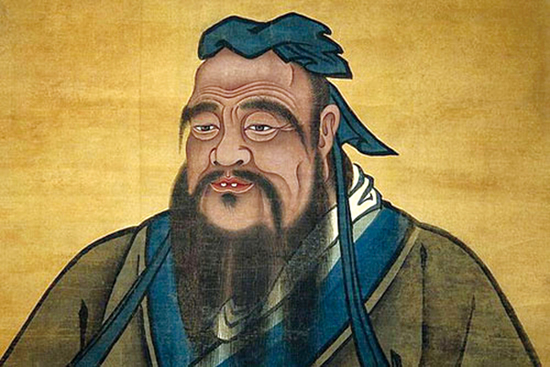
Teaching on learning
“What is bad in them, and I avoid.”
Confucius
Confucius
Lettura · 1 sezioni

The Wisdom of Discernment: Navigating the Path of Virtue

Confucius offers a profound insight when he states, "What is bad in them, and I avoid." In this simple yet powerful declaration lies a call to discernment and self-awareness, urging us to recognize and distance ourselves from negativity in our lives. This teaching is not merely about avoidance; it is about cultivating a deeper understanding of virtue and the qualities that shape our character. In a world filled with distractions and moral ambiguity, this wisdom serves as a guiding principle for personal growth and ethical living.

At its core, this quote encapsulates the essence of Confucian thought, which emphasizes the importance of moral integrity and the pursuit of a virtuous life. The act of avoiding what is bad is not a passive rejection but an active choice that reflects our values and aspirations. By engaging with this teaching, we are invited to reflect on our own lives and the influences we allow to shape our thoughts and actions. The stakes are high, as our choices ultimately define who we are and the legacy we leave behind.

The image / the metaphor

In the phrase "What is bad in them, and I avoid," Confucius employs a straightforward yet evocative imagery that speaks to the heart of human experience. The verb "avoid" suggests a conscious effort to steer clear of negativity, implying that we have the agency to choose our associations and influences. The use of "bad" is equally significant, as it prompts us to consider what constitutes negativity in our lives—be it harmful behaviors, toxic relationships, or detrimental thoughts. This imagery evokes a sense of vigilance and responsibility, urging us to cultivate an environment conducive to our growth.

Diving deeper into the metaphor, we can see that avoidance is not merely a physical act but a mental and emotional one as well. It invites us to engage in a process of discernment, where we assess not only external influences but also our internal landscape. The act of avoiding what is bad can be likened to a gardener weeding out harmful plants to allow the flowers to flourish. In this sense, Confucius encourages us to be proactive in our cultivation of virtue, recognizing that our choices shape the very essence of our character and the quality of our lives.

In the speaker's tradition

Confucius's teaching on avoidance resonates deeply within the broader context of Confucianism, which emphasizes the cultivation of virtue and the importance of moral education. Central to this tradition is the concept of "ren," or humaneness, which calls for an understanding of our interconnectedness and the ethical implications of our actions. By avoiding what is bad, we align ourselves with the principles of ren, fostering a compassionate and harmonious society. This discernment is akin to the Buddhist concept of "prajna," or wisdom, which encourages individuals to see clearly and act with intention.

Moreover, the Analects, where this quote is found, serves as a foundational text for Confucian thought, offering insights into the moral and ethical dimensions of human life. In Analects 4.16, Confucius states, "The Master said, 'Is it not a joy to have friends come from afar? Is it not a joy to learn from others? Is it not a joy to be unashamed of one's mistakes?'" This interconnectedness of learning and discernment highlights the importance of surrounding ourselves with those who inspire growth and virtue, further emphasizing the necessity of avoiding negative influences.

Living the teaching

Consider a modern scenario where this teaching can be applied: a workplace filled with gossip and negativity. In such an environment, one might feel pressured to engage in harmful conversations or to adopt a cynical attitude. By consciously choosing to avoid these influences, an individual can create a space for positivity and collaboration. This decision not only protects their own well-being but also sets a precedent for others, fostering a culture of respect and integrity.

Another application of this teaching can be found in personal relationships. Imagine navigating a friendship that has become toxic, filled with criticism and negativity. By recognizing the detrimental impact of this relationship, one may choose to distance themselves, allowing space for healthier connections to flourish. This act of avoidance is not an act of malice but a necessary step toward self-care and personal growth, illustrating how Confucius's wisdom can guide us in our daily interactions.

A reflection

As we contemplate Confucius's teaching, we are left with a poignant question: What negative influences in our lives are we willing to acknowledge and avoid? This inquiry invites us to engage in a process of self-reflection, examining our relationships, environments, and internal dialogues. By identifying what is detrimental, we can take meaningful steps toward cultivating a life rooted in virtue and discernment, ultimately aligning ourselves with the higher ideals that Confucius so passionately advocated.
Confucius

Confucius

Artista

Chinese philosopher and teacher whose ethical and political teachings — preserved by his students in the Analects — became the foundation of Chinese civilization. His teaching centers on ren (humaneness), li (propriety), and the cultivation of the noble person.

Vedi il profilo
Esplora i temi
learningdiscernmentavoidance
Domande frequenti

Domande frequenti

Confucius emphasizes the importance of discernment in our lives, urging us to recognize and distance ourselves from negative influences. This teaching is about making conscious choices that reflect our values and aspirations, ultimately guiding us toward a more virtuous life.

You can apply this teaching by actively assessing the influences in your life, such as relationships, environments, and even your own thoughts. By choosing to avoid negativity and surround yourself with positive influences, you create a space for personal growth and ethical living.

Yes, the concept of avoiding negativity and cultivating virtue is a recurring theme in Confucian texts, particularly in the Analects. Confucius frequently discusses the importance of moral integrity and the impact of our associations on our character.

Avoidance implies a conscious choice to distance oneself from negativity while maintaining awareness and compassion. Rejection, on the other hand, can carry a more aggressive connotation, potentially leading to conflict. Confucius advocates for a thoughtful approach that prioritizes personal growth.

Mindfulness practices can support living this teaching by helping you become more aware of your thoughts, emotions, and influences. Engaging in regular self-reflection and surrounding yourself with positive influences can reinforce your commitment to avoiding negativity.

Related Quotes

Vedi Tutto
Finding Good News in Every Moment: Thich Nhat Hanh's Poem
Inspiration

Finding Good News in Every Moment: Thich Nhat Hanh's Poem

Voice Temple Kirtan in Pisac: A Farewell Night of Call and Response
Inspiration

Voice Temple Kirtan in Pisac: A Farewell Night of Call and Response

Sacred Kirtan at Radha Madan Mohan Temple, Vrindavan
Inspiration

Sacred Kirtan at Radha Madan Mohan Temple, Vrindavan

Vedi tuttiRelated Quotes→

Continua il tuo viaggio

Altra saggezza e altri incontri da tutta la directory BrightStar.

Altri articoli

Sfoglia l’intera raccolta di insegnamenti, interviste e guide.

Torna a tutti gli articoli →

Insegnanti e artisti

Esplora i lignaggi, i musicisti e le guide del mondo consapevole.

Esplora gli artisti →

Trova un evento

Kirtan, ritiri, sound bath, breathwork, festival: in arrivo presto.

Sfoglia gli eventi →