BrightStar
BlogI miei biglietti
Saved events
Aiuto e contattiRegistratiAccedi
Eventi
  • Sfoglia tutti i Eventi
  • Per i ricercatori
  • Yoga
  • Meditazione
  • Breathwork
  • Qigong
  • Musica sacra
  • World music
  • Musica medicina
  • Sound healing
  • Danza estatica
  • Cerimonia
  • Medicina delle piante
  • Guarigione energetica
  • Satsang e saggezza
  • Tantra
  • Ritiri
  • Tutte le categorie →
Destinazioni
  • Bali
  • Sedona
  • Los Angeles
  • Costa Rica
  • Tulum
  • Byron Bay
  • San Francisco
  • Austin
  • New York
  • San Diego
  • Seattle
  • Portland
  • Miami
  • London
  • Maui
  • Boulder
  • Oakland
  • Tutte le città →
Piattaforma
  • Per organizzatori
  • Unisciti al movimento
  • Sell Globally
  • Per i creatori
  • Per team
  • Per gli scrittori
  • Per gli insegnanti
  • Per gli artisti kirtan
  • Per gli studi
  • Per i festival
  • Per i centri ritiro
  • Per le no-profit
  • Ambasciatore del brand
  • Biglietteria gratuita
  • Elevate
  • Amplify
  • L’ecosistema
Funzionalità

Biglietteria e acquisto

  • Ticket categories
  • Assigned seating
  • Custom questions
  • Coupon codes
  • Smart pricing
  • Ticket sharing
  • Waitlist
  • Flexible refunds
  • Digital waivers
  • Tip jar
  • Donations and sliding scale
  • Embed widget
  • Mindful checkout
  • Recurring events
  • Private sessions
  • Online courses
  • Summits
  • Rooms and stays
  • Ticket scanner

Marketing e crescita

  • Abandoned cart recovery
  • Visitor recovery
  • Upsells and add-ons
  • Affiliate engine
  • Upsell affiliate network
  • Brand ambassador
  • Meta retargeting
  • Verified buyer network
  • Outbound email marketing
  • Email sequences
  • SMS and WhatsApp
  • Event upsell network
  • Direct mail campaigns
  • SEO engine
  • Syndication
  • Event sharing
  • Custom event pages
  • Artist profiles
  • Link in bio
  • Event blog
  • Blog newsletter

Pagamenti

  • Payments, powered by Stripe
  • Buy now, pay later
  • Apple Wallet
  • Multi currency

Dati e operazioni

  • Team access
  • Message center
  • Reports
  • Analytics reporting
  • Performance reporting
  • Customer data
  • Integrations
  • Switch from another platform

IA

  • Assistant
  • AI FAQ assistant
  • Tutte le funzionalità →
Azienda
  • Chi siamo
  • Domande frequenti
  • Contatti
  • Blog
  • Glossario
  • Guides
  • Ispirazione
  • Centro assistenza
  • Documentazione API
  • Risorse del brand
  • Stampa
  • Termini di servizio
  • Informativa sulla privacy

Eventi

  • Sfoglia tutti i Eventi
  • Per i ricercatori
  • Yoga
  • Meditazione
  • Breathwork
  • Qigong
  • Musica sacra
  • World music

Destinazioni

  • Bali
  • Sedona
  • Los Angeles
  • Costa Rica
  • Tulum
  • Byron Bay
  • San Francisco
  • Austin

Piattaforma

  • Per organizzatori
  • Unisciti al movimento
  • Sell Globally
  • Per i creatori
  • Per team
  • Per gli scrittori
  • Per gli insegnanti
  • Per gli artisti kirtan

Funzionalità

  • Rete della comunità
  • Recupero carrelli abbandonati
  • Categorie di biglietti
  • Eventi ricorrenti
  • Posti assegnati
  • Sistema affiliati
  • Lista d'attesa / Notifica
  • Tutte le funzionalità →

Azienda

  • Chi siamo
  • Domande frequenti
  • Contatti
  • Blog
  • Glossario
  • Guides
  • Termini di servizio
  • Informativa sulla privacy
Leggi di più

Eventi

  • Musica medicina
  • Sound healing
  • Danza estatica
  • Cerimonia
  • Medicina delle piante
  • Guarigione energetica
  • Satsang e saggezza
  • Tantra
  • Ritiri
  • Tutte le categorie →

Destinazioni

  • New York
  • San Diego
  • Seattle
  • Portland
  • Miami
  • London
  • Maui
  • Boulder
  • Oakland
  • Tutte le città →

Piattaforma

  • Per gli studi
  • Per i festival
  • Per i centri ritiro
  • Per le no-profit
  • Ambasciatore del brand
  • Biglietteria gratuita
  • Elevate
  • Amplify
  • L’ecosistema

Azienda

  • Ispirazione
  • Centro assistenza
  • Documentazione API
  • Risorse del brand
  • Stampa

Biglietteria e acquisto

  • Ticket categories
  • Assigned seating
  • Custom questions
  • Coupon codes
  • Smart pricing
  • Ticket sharing
  • Waitlist
  • Flexible refunds
  • Digital waivers
  • Tip jar
  • Donations and sliding scale
  • Embed widget
  • Mindful checkout
  • Recurring events
  • Private sessions
  • Online courses
  • Summits
  • Rooms and stays
  • Ticket scanner

Marketing e crescita

  • Abandoned cart recovery
  • Visitor recovery
  • Upsells and add-ons
  • Affiliate engine
  • Upsell affiliate network
  • Brand ambassador
  • Meta retargeting
  • Verified buyer network
  • Outbound email marketing
  • Email sequences
  • SMS and WhatsApp
  • Event upsell network
  • Direct mail campaigns
  • SEO engine
  • Syndication
  • Event sharing
  • Custom event pages
  • Artist profiles
  • Link in bio
  • Event blog
  • Blog newsletter

Pagamenti

  • Payments, powered by Stripe
  • Buy now, pay later
  • Apple Wallet
  • Multi currency

Dati e operazioni

  • Team access
  • Message center
  • Reports
  • Analytics reporting
  • Performance reporting
  • Customer data
  • Integrations
  • Switch from another platform

IA

  • Assistant
  • AI FAQ assistant
Scarica l'app
Scarica suApp StoreDisponibile suGoogle Play
© 2026 BrightStar. Tutti i diritti riservati. BrightStar Selection · Crediti fotografici · Registro delle modifiche ·
Inspiration

Why Overly Positive Thinking Can Work Like an Intoxicant

Susan
Susan
Nov 2, 2026
3 min di lettura

Da Susan Piver

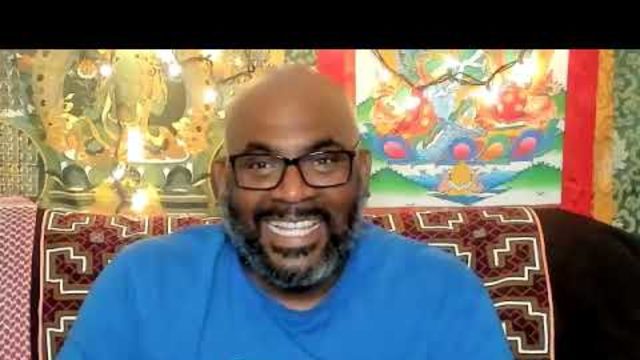
In a 44-second clip drawn from her Buddhism Beyond Belief podcast, teacher Susan Piver makes a claim that cuts against much of modern wellness culture: an insistence on always thinking positively can work as an intoxicant, a way of getting high on optimism so we don't have to feel what hurts. She isn't telling anyone to abandon hope. She is asking people to notice what they reach for when pain arrives, and to leave room for dark thoughts, sadness, grief, and anger rather than routing around them.

Lettura · 2 sezioni

Why would positive thinking count as an intoxicant?

Piver frames the question as one of attention: "Pay attention to what are you doing to try to get high." The phrase "get high" is deliberate. In her framing, intoxicants aren't limited to alcohol or drugs. They include any strategy that lifts us out of direct contact with discomfort. Her video description lists doom scrolling alongside the insistence on positivity, placing both in the same family of compulsive escape.

The "positivity police" line is the sharpest moment in the clip. Piver is naming a social pressure: the sense that feeling low is a failure to be corrected rather than a human state to be met. Against that pressure she says, plainly, that there is "room for thinking dark thoughts," "room for feeling sad," and "room for grief and certainly anger." Making space for those feelings is not a rejection of a spiritual path. It is closer to the ground the path stands on.

She also acknowledges why the habit takes hold. "Sometimes it can feel that the only way around these very painful feelings is through intoxicants of material or abstract forms," she says. That honesty matters. The clip doesn't scold anyone for reaching for a crutch. It asks that we first see the crutch clearly.

Read as a practice, the implication is small and concrete. When you feel the pull to brighten a painful moment, pause and ask what you are avoiding. Sometimes the answer is grief, sometimes anger, sometimes just sadness that nobody around you seems to have time for. In each case the feeling is often more bearable when it is allowed to be present than when it is quietly covered over.

Where to go from here

This clip is a fragment. The full Buddhism Beyond Belief episode it comes from, according to the video description, takes up the Five Precepts and their importance on the spiritual path. For context beyond the clip: the traditional Five Precepts include a precept against intoxicants that cloud the mind, which helps explain why Piver extends that idea to habits that look like virtue, such as relentless positivity. Watch the full episode on Susan Piver's channel to hear how she develops that thread.

If you want to test the idea in your own life this week, try one exercise: the next time you catch yourself reframing a hard feeling into something upbeat, name the feeling first, without fixing it, and see what changes.

Commenti

Caricamento della conversazione…

Transcript

[0:00] Pay attention to what are you doing to

[0:02] try to get high.

[0:05] Overly positive thinking is an

[0:08] intoxicant

[0:10] and something to be considered in any

[0:13] case. Positivity police lay down your

[0:17] weapons. There's room for thinking

[0:19] [clears throat] dark thoughts. There's

[0:21] room for feeling sad. There's room for

[0:26] grief and certainly anger. Sometimes it

[0:30] can feel that the only way around these

[0:33] very painful feelings is through

[0:35] intoxicants of material or abstract

[0:39] forms. So just to pay attention to these

[0:42] things is

Susan

Susan

Artista

Susan Piver is a Buddhist teacher, New York Times bestselling author, and founder of the Open Heart Project, a dharma community of nearly 20,000 members living an awakened life.

Vedi il profilo
Esplora i temi
Positive thinkingEmotional avoidanceBuddhist practiceFive preceptsIntoxicants
Domande frequenti

Domande frequenti

Piver means that insisting on constant positivity can act like a drug, lifting us out of painful feelings instead of meeting them. She says the habit is worth examining in any case because it can serve as a way to get high and avoid discomfort. The clip frames this as a form of escape, not as a problem with hope itself.

In this clip, Piver says there is room for dark thoughts, sadness, grief, and anger, and that positivity should not be policed. She treats these feelings as part of a human life to be acknowledged rather than suppressed. Her full podcast episode on the Five Precepts goes further into the ethical framework behind her view.

According to the video description, intoxication can include doom scrolling and the insistence on always thinking positively. Piver's broader point is that any habit used to escape painful feelings can function as an intoxicant, whether material or abstract.

Potrebbe piacerti anche

Vedi Tutto
Why Inner Change Matters More Than Laws
Inspire

Why Inner Change Matters More Than Laws

Political shifts demand more than legislation: they require a genuine opening of the heart. Meditation teaches us to love beyond our preconc…

7 min read
Six Realms of Mind: What Shifted on Election Day
Inspire

Six Realms of Mind: What Shifted on Election Day

A Buddhist framework for understanding collective consciousness and the mindstates that shape societal change—and how we move from aggressio…

7 min read
Medicine Buddha Practice: Healing Through Darkness and Grace
Inspire

Medicine Buddha Practice: Healing Through Darkness and Grace

Lama Rod Owens guides practitioners into seasonal darkness work and the felt sense of awakened beings through Medicine Buddha practice roote…

7 min read
Love Beyond Habit: Breaking Free From Patterns of Separation
Inspire

Love Beyond Habit: Breaking Free From Patterns of Separation

When judgment, fear, and wanting filter how we see others, we lose touch with their humanity. Through mindful presence and loving-kindness, …

7 min read
Vedi tuttiPotrebbe piacerti anche→

Continua il tuo viaggio

Altra saggezza e altri incontri da tutta la directory BrightStar.

Altri articoli

Sfoglia l’intera raccolta di insegnamenti, interviste e guide.

Torna a tutti gli articoli →

Insegnanti e artisti

Esplora i lignaggi, i musicisti e le guide del mondo consapevole.

Esplora gli artisti →

Trova un evento

Kirtan, ritiri, sound bath, breathwork, festival: in arrivo presto.

Sfoglia gli eventi →