BrightStar
BlogI miei biglietti
Saved events
Aiuto e contattiRegistratiAccedi
Eventi
  • Sfoglia tutti i Eventi
  • Yoga
  • Meditazione
  • Breathwork
  • Qigong
  • Musica sacra
  • World music
  • Musica medicina
  • Sound healing
  • Danza estatica
  • Cerimonia
  • Medicina delle piante
  • Guarigione energetica
  • Satsang e saggezza
  • Tantra
  • Ritiri
  • Tutte le categorie →
Destinazioni
  • Bali
  • Sedona
  • Los Angeles
  • Costa Rica
  • Tulum
  • Byron Bay
  • San Francisco
  • Austin
  • New York
  • San Diego
  • Denver
  • Seattle
  • Portland
  • Miami
  • London
  • Maui
  • Boulder
  • Tutte le città →
Piattaforma
  • Per organizzatori
  • Unisciti al movimento
  • Sell Globally
  • Per i creatori
  • Per team
  • Per gli scrittori
  • Per gli insegnanti
  • Per gli artisti kirtan
  • Per gli studi
  • Per i festival
  • Per i centri ritiro
  • Per le no-profit
  • Ambasciatore del brand
  • Biglietteria gratuita
  • Pro
  • Amplify
  • L’ecosistema
Funzionalità

Biglietteria e acquisto

  • Ticket categories
  • Assigned seating
  • Custom questions
  • Coupon codes
  • Smart pricing
  • Ticket sharing
  • Waitlist
  • Flexible refunds
  • Digital waivers
  • Tip jar
  • Donations and sliding scale
  • Embed widget
  • Mindful checkout
  • Recurring events
  • Private sessions
  • Online courses
  • Summits
  • Rooms and stays
  • Ticket scanner

Marketing e crescita

  • Abandoned cart recovery
  • Visitor recovery
  • Upsells and add-ons
  • Affiliate engine
  • Upsell affiliate network
  • Brand ambassador
  • Meta retargeting
  • Verified buyer network
  • Outbound email marketing
  • Email sequences
  • SMS and WhatsApp
  • Event upsell network
  • Direct mail campaigns
  • SEO engine
  • Syndication
  • Event sharing
  • Custom event pages
  • Artist profiles
  • Link in bio
  • Event blog
  • Blog newsletter

Pagamenti

  • Payments, powered by Stripe
  • Buy now, pay later
  • Apple Wallet
  • Multi currency

Dati e operazioni

  • Team access
  • Message center
  • Reports
  • Analytics reporting
  • Performance reporting
  • Customer data
  • Integrations
  • Switch from another platform

IA

  • Assistant
  • AI FAQ assistant
  • Tutte le funzionalità →
Azienda
  • Chi siamo
  • Domande frequenti
  • Contatti
  • Blog
  • Glossario
  • Guides
  • Ispirazione
  • Centro assistenza
  • Documentazione API
  • Risorse del brand
  • Stampa
  • Termini di servizio
  • Informativa sulla privacy

Eventi

  • Sfoglia tutti i Eventi
  • Yoga
  • Meditazione
  • Breathwork
  • Qigong
  • Musica sacra
  • World music
  • Musica medicina

Destinazioni

  • Bali
  • Sedona
  • Los Angeles
  • Costa Rica
  • Tulum
  • Byron Bay
  • San Francisco
  • Austin

Piattaforma

  • Per organizzatori
  • Unisciti al movimento
  • Sell Globally
  • Per i creatori
  • Per team
  • Per gli scrittori
  • Per gli insegnanti
  • Per gli artisti kirtan

Funzionalità

  • Rete della comunità
  • Recupero carrelli abbandonati
  • Categorie di biglietti
  • Eventi ricorrenti
  • Posti assegnati
  • Sistema affiliati
  • Lista d'attesa / Notifica
  • Tutte le funzionalità →

Azienda

  • Chi siamo
  • Domande frequenti
  • Contatti
  • Blog
  • Glossario
  • Guides
  • Termini di servizio
  • Informativa sulla privacy
Leggi di più

Eventi

  • Sound healing
  • Danza estatica
  • Cerimonia
  • Medicina delle piante
  • Guarigione energetica
  • Satsang e saggezza
  • Tantra
  • Ritiri
  • Tutte le categorie →

Destinazioni

  • New York
  • San Diego
  • Denver
  • Seattle
  • Portland
  • Miami
  • London
  • Maui
  • Boulder
  • Tutte le città →

Piattaforma

  • Per gli studi
  • Per i festival
  • Per i centri ritiro
  • Per le no-profit
  • Ambasciatore del brand
  • Biglietteria gratuita
  • Pro
  • Amplify
  • L’ecosistema

Azienda

  • Ispirazione
  • Centro assistenza
  • Documentazione API
  • Risorse del brand
  • Stampa

Biglietteria e acquisto

  • Ticket categories
  • Assigned seating
  • Custom questions
  • Coupon codes
  • Smart pricing
  • Ticket sharing
  • Waitlist
  • Flexible refunds
  • Digital waivers
  • Tip jar
  • Donations and sliding scale
  • Embed widget
  • Mindful checkout
  • Recurring events
  • Private sessions
  • Online courses
  • Summits
  • Rooms and stays
  • Ticket scanner

Marketing e crescita

  • Abandoned cart recovery
  • Visitor recovery
  • Upsells and add-ons
  • Affiliate engine
  • Upsell affiliate network
  • Brand ambassador
  • Meta retargeting
  • Verified buyer network
  • Outbound email marketing
  • Email sequences
  • SMS and WhatsApp
  • Event upsell network
  • Direct mail campaigns
  • SEO engine
  • Syndication
  • Event sharing
  • Custom event pages
  • Artist profiles
  • Link in bio
  • Event blog
  • Blog newsletter

Pagamenti

  • Payments, powered by Stripe
  • Buy now, pay later
  • Apple Wallet
  • Multi currency

Dati e operazioni

  • Team access
  • Message center
  • Reports
  • Analytics reporting
  • Performance reporting
  • Customer data
  • Integrations
  • Switch from another platform

IA

  • Assistant
  • AI FAQ assistant
Scarica l'app
Scarica suApp StoreDisponibile suGoogle Play
© 2026 BrightStar. Tutti i diritti riservati. BrightStar Selection · Crediti fotografici · Registro delle modifiche ·
Inspiration

Healing Through Death: Compassion for Life's Deepest Questions

Ram Dass
Ram Dass
Jan 15, 2025
7 min di lettura

Da Be Here Now Network

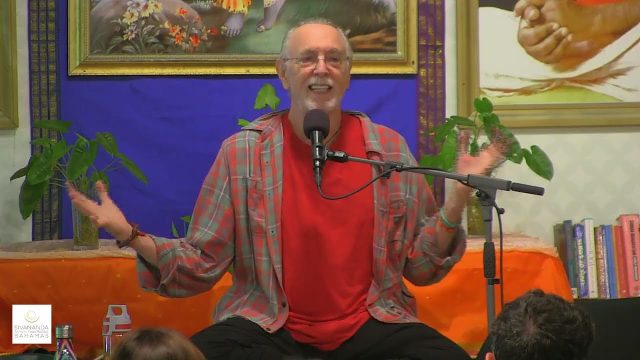
In a candid 1980s dialogue, two contemplative teachers examine how to help people navigate the profound mysteries of death, pain, and rebirth. Rather than avoiding these topics, they argue that clarity and compassion—especially toward our own suffering—form the foundation for genuinely supporting others through their darkest questions. The conversation reframes death not as failure but as a natural transition worthy of investigation, and pain not as something to numb but as a teacher that reveals what matters.

Lettura · 8 sezioni

Why Do We Avoid Talking About Death?

Western culture has largely removed death from daily life. We die in hospitals, not at home. We use euphemisms rather than the word itself. This avoidance, the teachers suggest, creates a peculiar problem: when death arrives—as it always does—people are utterly unprepared psychologically and spiritually. The absence of honest conversation about mortality leaves people isolated with their fear.

One core insight is that our discomfort with death often reflects a deeper discomfort with ourselves. If we have not looked clearly at our own relationship to impermanence, how can we help someone else do so? The dialogue suggests that helping others requires first becoming willing to sit with the mystery ourselves—not to solve it, but to befriend it.

What Role Does Compassion Play in Facing Pain?

The teachers emphasize that compassion is not sentimentality or spiritual bypassing. True compassion requires clarity—the willingness to see pain as it actually is, without flinching. This means acknowledging that suffering is real, that loss hurts, that death ends the life we know.

When we approach pain with this dual stance of clarity and compassion, something shifts. Pain stops being an enemy to be conquered or denied, and becomes instead a messenger. In many Buddhist and yogic traditions, suffering is not punitive; it is instructive. It shows us where we are still clinging, where we have not yet surrendered, where our hearts remain defended.

For those supporting others—whether as counselors, family members, or spiritual companions—this perspective is revolutionary. Instead of trying to fix someone's pain or convince them it is not real, we can sit with them, acknowledge the reality of their experience, and help them extract the wisdom that suffering contains.

How Does Reincarnation Change Our Understanding of a Single Life?

The dialogue touches on rebirth as a context for understanding why suffering exists at all. If this is the only life, pain can feel meaningless or cruel. If consciousness continues beyond death in new forms and bodies, pain becomes part of a larger education—lessons the soul carries forward.

This is not offered as dogma but as a framework that many people find liberating. Whether or not one literally believes in reincarnation, the model suggests that we need not understand all suffering immediately. Some karmic or soul-level learning may span multiple lifetimes. This removes the pressure to resolve everything now, and invites a more spacious, compassionate relationship to incompleteness.

What Makes Someone Effective at Helping Others Through Dying or Grieving?

The teachers suggest that the primary qualification is your own willingness to look at these topics unflinchingly. You cannot take another person deeper than you have gone yourself. If you are still defending against the reality of death, still numbing pain, still unwilling to question your own mortality, that resistance will show up in subtle ways that the dying person will sense.

Conversely, someone who has genuinely faced their own death anxiety, who has sat with their own grief and integrated it, carries a different quality. Not cheerfulness or false reassurance, but a quiet confidence that this territory, though difficult, can be traversed. The presence of that confidence is itself healing.

The dialogue also implies that helping is not always about words. Sometimes it is about bearing witness—showing up, listening, not rushing to fix or explain. The heart of healing is often this simple: presence that says, "I am here with you in this, and you are not alone."

How Do We Talk About Reincarnation With Someone Who Is Grieving?

The teachers do not suggest imposing belief in rebirth on a grieving person. Rather, they point to it as one possible way of understanding continuity and meaning in the face of apparent loss. For some people, the idea that a loved one's consciousness might continue in another form offers genuine solace. For others, it feels distant or unhelpful.

The art is to make space for the person's own spiritual framework—whether that is religious, secular, or mystical—and work within it. If someone finds meaning in the possibility of future meetings across lifetimes, that meaning is real and valuable. If someone finds meaning in the legacy they will leave in this life, that is equally valid. The goal is not doctrinal agreement but the restoration of meaning after loss.

What Is the Relationship Between Pain and Growth?

Throughout the dialogue, there is an undercurrent that pain, properly met, becomes the gateway to growth. This does not mean pain is good or that we should seek it. But it does mean that the tendency to anesthetize all pain—chemically, spiritually, or emotionally—may prevent us from the transformation pain can catalyze.

When we are forced by circumstance to stop and feel our pain fully, we often discover things about ourselves: reserves of strength we did not know we had, connections to others that deepen through shared vulnerability, insights into what truly matters. The dialogue suggests that a mature approach to helping others includes helping them stay present to their pain long enough to extract its teaching, rather than rushing them toward numbness or "moving on."

Why Is Clarity About Death a Form of Love?

The teachers propose a counterintuitive idea: that avoiding honest talk about death is actually a form of disrespect or self-protection, while facing it directly is an act of love. When we hide death from others—especially from dying people—we often do so to protect ourselves from our own fear, not truly to protect them.

In contrast, looking directly at death and inviting others to do so says: "Your deepest questions matter. Your fear is understandable and you do not have to face it alone. We can speak truthfully about what is happening." This directness, held in a container of compassion, paradoxically becomes the most reassuring thing we can offer.

Where to Go From Here

If you are drawn to explore these themes more deeply, consider beginning with your own relationship to mortality. Journaling on questions like "What am I most afraid of about dying?" or "What would I want someone to say to me if I had six months to live?" can open the door to genuine clarity.

If you are actively supporting someone who is dying or grieving, the dialogue suggests that your first work is inner: settling your own anxiety so that you can be a clear, calm presence. There are many contemplative practices—meditation, conscious breathing, prayer—that can help. The goal is not to become emotionless but to become genuinely present without your own fear driving the conversation.

For those interested in the broader spiritual context of these teachings, exploring Buddhist and Hindu texts on death and rebirth can provide additional frameworks. Teachers like Stephen Levine (who wrote extensively on conscious dying) and Ram Dass (who integrated Eastern philosophy into Western life) have left detailed written works that expand on themes in this dialogue.

Finally, consider that the greatest service you can offer is your own integration of these truths. As you become less afraid of death and pain, you become more useful to others. The work of facing what is deepest and darkest in human experience is not morbid—it is liberating, and it is the foundation of genuine compassion.

Commenti

Caricamento della conversazione…

L'artista di questa storia

Ram Dass

Ram Dass

Spiritual Teacher

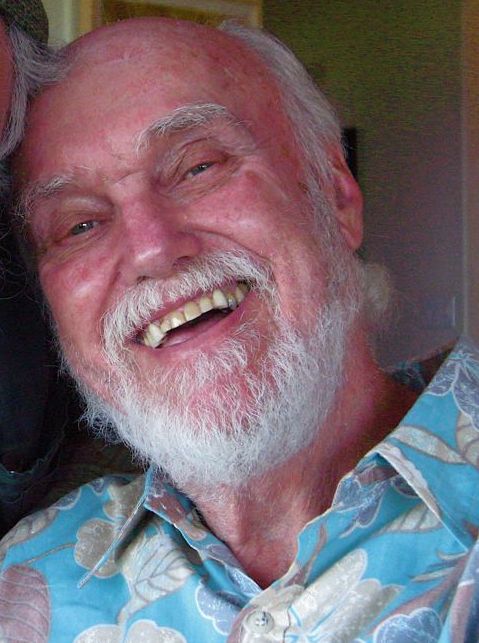
Ram Dass (born Richard Alpert, 1931-2019) was an American spiritual teacher, psychologist, and author whose 1971 book Be Here Now helped popularize Eastern spirituality in the West. A Harvard psychologist turned Hindu devotee, he bridged psychedelic research, yoga, and conscious living for millions.

Vedi il profilo
Esplora i temi
Death dyingCompassion healingReincarnationGrief lossSpiritual wisdom
Domande frequenti

Domande frequenti

The key is presence without your own fear. First, work on settling your own anxiety about death through meditation or reflection. Then, sit with the dying person, listen to their concerns without trying to fix them, and speak honestly—avoiding platitudes. Your calm, clear presence itself is healing.

Avoidance of death creates isolation and unpreparedness when it inevitably arrives. Open, compassionate conversation about mortality helps people integrate the reality of it before they face it personally, reducing fear and opening the possibility of meaning.

For some people, yes—the idea that consciousness continues can restore a sense of continuity and meaning after loss. For others, different spiritual or secular frameworks are more meaningful. The goal is to honor the person's own worldview, not to impose a particular belief.

Pain, when met fully rather than numbed, often reveals what truly matters to us, builds compassion, and catalyzes growth. The teaching is not that pain is good, but that avoiding all pain also means missing the wisdom it carries about ourselves and our values.

Yes, but you must work with your own death anxiety first. Understanding your own mortality and fears allows you to be genuinely present. Shared experience helps, but sincere clarity and compassion can bridge many gaps.

Genuine work involves facing the reality of pain and death with both clarity and compassion—not denying the difficulty. Spiritual bypassing uses spiritual language to avoid the actual feelings. True healing requires sitting with what is true, not escaping it with positivity.

Begin by journaling or meditating on your deepest fears and questions about mortality. Explore what would make a good life if you had limited time. Consider how your values might shift if death were not abstract. This inner work reduces fear and clarifies priorities.

Potrebbe piacerti anche

Vedi Tutto
Love People As They Are: Responsive vs. Reactive
Inspire

Love People As They Are: Responsive vs. Reactive

Learn how to love people unconditionally by shifting from reactive patterns to responsive presence, keeping your heart open in the face of s…

9 min read
Freedom Without Connection: Why Liberation Feels Empty
Inspire

Freedom Without Connection: Why Liberation Feels Empty

External freedom without spiritual connection leaves the heart hollow. Explore why liberation requires more than just the absence of constra…

7 min read
First Meeting with a Living Guru: Recognition and Transformation
Inspire

First Meeting with a Living Guru: Recognition and Transformation

Krishna Das reflects on his first encounters with his teacher Maharaj-ji and Ram Dass, describing the moment he recognized something real ab…

7 min read
Rumi's Teaching Story: Presence and Spiritual Wisdom
Inspire

Rumi's Teaching Story: Presence and Spiritual Wisdom

Ram Dass shares a timeless Rumi story on presence and spiritual awakening. A brief but potent lesson in mindfulness and the heart's capacity…

6 min read
Vedi tuttiPotrebbe piacerti anche→

Continua il tuo viaggio

Altra saggezza e altri incontri da tutta la directory BrightStar.

Altri articoli

Sfoglia l’intera raccolta di insegnamenti, interviste e guide.

Torna a tutti gli articoli →

Insegnanti e artisti

Esplora i lignaggi, i musicisti e le guide del mondo consapevole.

Esplora gli artisti →

Trova un evento

Kirtan, ritiri, sound bath, breathwork, festival: in arrivo presto.

Sfoglia gli eventi →