BrightStar
BlogI miei biglietti
Saved events
Aiuto e contattiRegistratiAccedi
Eventi
  • Sfoglia tutti i Eventi
  • Yoga
  • Meditazione
  • Breathwork
  • Qigong
  • Musica sacra
  • World music
  • Musica medicina
  • Sound healing
  • Danza estatica
  • Cerimonia
  • Medicina delle piante
  • Guarigione energetica
  • Satsang e saggezza
  • Tantra
  • Ritiri
  • Tutte le categorie →
Destinazioni
  • Bali
  • Sedona
  • Los Angeles
  • Costa Rica
  • Tulum
  • Byron Bay
  • San Francisco
  • Austin
  • New York
  • San Diego
  • Denver
  • Seattle
  • Portland
  • Miami
  • London
  • Maui
  • Boulder
  • Tutte le città →
Piattaforma
  • Per organizzatori
  • Unisciti al movimento
  • Sell Globally
  • Per i creatori
  • Per team
  • Per gli scrittori
  • Per gli insegnanti
  • Per gli artisti kirtan
  • Per gli studi
  • Per i festival
  • Per i centri ritiro
  • Per le no-profit
  • Ambasciatore del brand
  • Biglietteria gratuita
  • Pro
  • Amplify
  • L’ecosistema
Funzionalità

Biglietteria e acquisto

  • Ticket categories
  • Assigned seating
  • Custom questions
  • Coupon codes
  • Smart pricing
  • Ticket sharing
  • Waitlist
  • Flexible refunds
  • Digital waivers
  • Tip jar
  • Donations and sliding scale
  • Embed widget
  • Mindful checkout
  • Recurring events
  • Private sessions
  • Online courses
  • Summits
  • Rooms and stays
  • Ticket scanner

Marketing e crescita

  • Abandoned cart recovery
  • Visitor recovery
  • Upsells and add-ons
  • Affiliate engine
  • Upsell affiliate network
  • Brand ambassador
  • Meta retargeting
  • Verified buyer network
  • Outbound email marketing
  • Email sequences
  • SMS and WhatsApp
  • Event upsell network
  • Direct mail campaigns
  • SEO engine
  • Syndication
  • Event sharing
  • Custom event pages
  • Artist profiles
  • Link in bio
  • Event blog
  • Blog newsletter

Pagamenti

  • Payments, powered by Stripe
  • Buy now, pay later
  • Apple Wallet
  • Multi currency

Dati e operazioni

  • Team access
  • Message center
  • Reports
  • Analytics reporting
  • Performance reporting
  • Customer data
  • Integrations
  • Switch from another platform

IA

  • Assistant
  • AI FAQ assistant
  • Tutte le funzionalità →
Azienda
  • Chi siamo
  • Domande frequenti
  • Contatti
  • Blog
  • Glossario
  • Guides
  • Ispirazione
  • Centro assistenza
  • Documentazione API
  • Risorse del brand
  • Stampa
  • Termini di servizio
  • Informativa sulla privacy

Eventi

  • Sfoglia tutti i Eventi
  • Yoga
  • Meditazione
  • Breathwork
  • Qigong
  • Musica sacra
  • World music
  • Musica medicina

Destinazioni

  • Bali
  • Sedona
  • Los Angeles
  • Costa Rica
  • Tulum
  • Byron Bay
  • San Francisco
  • Austin

Piattaforma

  • Per organizzatori
  • Unisciti al movimento
  • Sell Globally
  • Per i creatori
  • Per team
  • Per gli scrittori
  • Per gli insegnanti
  • Per gli artisti kirtan

Funzionalità

  • Rete della comunità
  • Recupero carrelli abbandonati
  • Categorie di biglietti
  • Eventi ricorrenti
  • Posti assegnati
  • Sistema affiliati
  • Lista d'attesa / Notifica
  • Tutte le funzionalità →

Azienda

  • Chi siamo
  • Domande frequenti
  • Contatti
  • Blog
  • Glossario
  • Guides
  • Termini di servizio
  • Informativa sulla privacy
Leggi di più

Eventi

  • Sound healing
  • Danza estatica
  • Cerimonia
  • Medicina delle piante
  • Guarigione energetica
  • Satsang e saggezza
  • Tantra
  • Ritiri
  • Tutte le categorie →

Destinazioni

  • New York
  • San Diego
  • Denver
  • Seattle
  • Portland
  • Miami
  • London
  • Maui
  • Boulder
  • Tutte le città →

Piattaforma

  • Per gli studi
  • Per i festival
  • Per i centri ritiro
  • Per le no-profit
  • Ambasciatore del brand
  • Biglietteria gratuita
  • Pro
  • Amplify
  • L’ecosistema

Azienda

  • Ispirazione
  • Centro assistenza
  • Documentazione API
  • Risorse del brand
  • Stampa

Biglietteria e acquisto

  • Ticket categories
  • Assigned seating
  • Custom questions
  • Coupon codes
  • Smart pricing
  • Ticket sharing
  • Waitlist
  • Flexible refunds
  • Digital waivers
  • Tip jar
  • Donations and sliding scale
  • Embed widget
  • Mindful checkout
  • Recurring events
  • Private sessions
  • Online courses
  • Summits
  • Rooms and stays
  • Ticket scanner

Marketing e crescita

  • Abandoned cart recovery
  • Visitor recovery
  • Upsells and add-ons
  • Affiliate engine
  • Upsell affiliate network
  • Brand ambassador
  • Meta retargeting
  • Verified buyer network
  • Outbound email marketing
  • Email sequences
  • SMS and WhatsApp
  • Event upsell network
  • Direct mail campaigns
  • SEO engine
  • Syndication
  • Event sharing
  • Custom event pages
  • Artist profiles
  • Link in bio
  • Event blog
  • Blog newsletter

Pagamenti

  • Payments, powered by Stripe
  • Buy now, pay later
  • Apple Wallet
  • Multi currency

Dati e operazioni

  • Team access
  • Message center
  • Reports
  • Analytics reporting
  • Performance reporting
  • Customer data
  • Integrations
  • Switch from another platform

IA

  • Assistant
  • AI FAQ assistant
Scarica l'app
Scarica suApp StoreDisponibile suGoogle Play
© 2026 BrightStar. Tutti i diritti riservati. BrightStar Selection · Crediti fotografici · Registro delle modifiche ·
Inspiration

Hanuman Chalisa Duet: Sacred Chant Performance and Meaning

Nina Rao
Nina Rao
Sep 3, 2013
6 min di lettura

Da Nina Rao

Guarda · 6

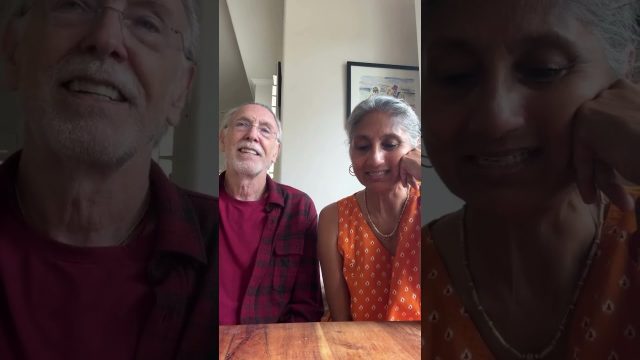
This video captures a live duet performance of the Hanuman Chalisa—a 40-verse Sanskrit devotional hymn to Hanuman, the monkey deity of Hindu mythology—sung by kirtan artists Krishna Das and Nina Rao. The Chalisa, traditionally attributed to the saint-poet Tulsidas, combines invocations to Ram with praise of Hanuman's strength, devotion, and capacity to remove obstacles. The duet arrangement blends call-and-response kirtan style with the full text of this foundational bhakti scripture, making it accessible to contemporary audiences while honoring its classical roots.

Lettura · 8 sezioni

What is the Hanuman Chalisa and why does it matter?

The Hanuman Chalisa is a 40-verse Sanskrit poem (chalisa means "forty" in Hindi) composed in the 16th century by Tulsidas, one of the most revered poets in Hindu devotional literature. Each verse praises Hanuman—the devoted follower of the god Ram in the Ramayana epic—and invokes his blessings for strength, knowledge, and protection from harm. The text opens with invocations to Ram ("Shri Ram Jay Jay Ram"), establishing that Hanuman's power derives entirely from his unwavering devotion to Ram.

The Chalisa functions as both a meditation and a practical spiritual tool in Hindu practice. Devotees chant it for courage, clarity, and resolution of obstacles—not as superstition, but as a way of aligning consciousness with qualities associated with Hanuman: fearlessness, single-pointed focus, intellectual clarity, and service without ego. The practice is widespread across India and among Hindu practitioners worldwide, with many people reciting it daily or in times of difficulty.

How does the duet format serve the sacred text?

The performance by Krishna Das and Nina Rao uses call-and-response, a cornerstone of kirtan practice. One voice leads a phrase or verse; the other joins, creating a layered, conversational quality that draws listeners into the rhythm rather than asking them to simply receive. This format has deep roots in Indian spiritual tradition—it reflects the guru-student relationship, where teaching happens through musical dialogue rather than lecture.

By arranging the full Hanuman Chalisa as a duet, the artists preserve the integrity of Tulsidas's text while making it emotionally present. The human voices—rather than a single recorded track—allow for breath, pause, and the subtle variations that come with live performance. Listeners can follow the Sanskrit more easily when two voices alternate, as the musical phrasing becomes clearer and the meaning of each verse has space to land.

What are the major themes within the 40 verses?

The Hanuman Chalisa moves through several interconnected themes:

  • Invocation and salutation: The opening verses call upon the guru, invoke Ram, and ask for purification of the mind. Tulsidas begins with "Mangal Murti Marate Nand" (the auspicious form who brings joy), establishing Hanuman as an embodiment of divine grace.
  • Hanuman's divine qualities: Verses 2–20 celebrate Hanuman's strength (bala), intellect (buddhi), and knowledge (vidya). The text describes his form as radiant, his valor as unmatched, and his role as the destroyer of demons and obstacles. One well-known verse praises him as "Atulita Baldhaam" (of unequaled strength) and identifies him as the son of the wind god (Pavansut), which explains both his physical power and his swift, boundless movement.
  • Hanuman's deeds in the Ramayana: Verses 21–32 recount episodes from Hindu mythology—Hanuman's reconnaissance of Lanka, his rescue of Sita, his various shapeshifting displays. These are not presented as mere stories but as evidence of Hanuman's loyalty and the fruits of surrendered service.
  • The power of his name and remembrance: Verses 33–39 assert that speaking or remembering Hanuman's name dispels disease, fear, and suffering. "Jap Nirantar Hanumat Veer" (continuous remembrance of the valiant Hanuman) becomes the practice itself—the chant is not separate from the benefit; the practice IS the medicine.
  • Closing blessing: The final verses and the colophon credit Tulsidas and promise that recitation of the Chalisa brings both worldly success and liberation. The text ends where it began, with "Shri Ram Jay Jay Ram," tying all praise back to Ram.

What does "Ocean of Ram" signify in the title?

The album from which this duet is drawn, Antarayaami: Knower of All Hearts, uses the metaphor of ocean and depths to suggest the infinite nature of devotion. "Ocean of Ram" echoes the Ramayana tradition itself—Ram is understood as infinite consciousness, and the ocean becomes a symbol of both vastness and the depths one can dive into through practice. The Hanuman Chalisa, by extension, is presented not as a set of words to recite mechanically, but as an ocean one enters, where each repetition carries you deeper.

How does Krishna Das approach the Hanuman Chalisa?

Krishna Das (often called KD in the kirtan world) is known for making Sanskrit chants accessible to Western and contemporary Indian audiences without diluting their power. His approach emphasizes feeling over perfect pronunciation, and continuity of practice over intellectual understanding. In this duet, his voice anchors the chant—he often takes the lead phrase, allowing his experience as a long-time practitioner to set the pace and emotional tone. His presence signals to the listener that this is not a performance meant to be admired from a distance, but an invitation to participate in a living tradition.

How does Nina Rao's arrangement honor the original text?

Nina Rao, who produced this version on Antarayaami, is a classically trained vocalist in both Indian and Western traditions. Her arrangements typically use the full Sanskrit text without added English lyrics or simplification. In this duet, she likely handled both the melodic composition and the vocal arrangement—ensuring that the rhythm and phrasing support the meaning of each verse. The call-and-response structure allows both singers to share the emotional weight, and the live context means neither voice dominates; instead, they create a shared space of devotion.

Why does the Hanuman Chalisa remain central to contemporary practice?

Despite being composed over 500 years ago, the Hanuman Chalisa has not faded into historical obscurity. Many contemporary spiritual teachers—both in traditional Hindu contexts and in global yoga and meditation circles—recommend it for students facing obstacles, self-doubt, or lack of mental clarity. The reason is practical: the chant works with the nervous system and the mind through rhythm, Sanskrit phonetics, and the psychological effect of focusing on qualities (strength, clarity, service) that counteract modern anxiety and fragmentation.

The duet format in this video makes the Chalisa available to people who might not have access to a guru or a traditional kirtan circle. The performance becomes a gateway into a centuries-old practice, and the listener can return to it as often as needed—not as entertainment, but as a tool for transformation of consciousness.

Where to go from here

If this performance resonates with you, consider learning the Sanskrit text yourself—even if only phonetically. Many recordings and printed versions include transliteration alongside the original script. The practice deepens when your own voice becomes the vehicle, as the vibration of the words moves through your own nervous system. You might also explore Krishna Das's other recordings and teachings on kirtan practice, or investigate the broader Ramayana tradition to understand Hanuman's role within the larger narrative. Finally, if you have access to a live kirtan circle or a teacher trained in this lineage, attending in person offers the embodied experience of call-and-response that this video captures but cannot fully replace.

Commenti

Caricamento della conversazione…

Transcript

[0:00] श्री राम जय जय

[0:04] राम श्री

[0:07] राम जय जय

[0:10] राम श्री

[0:13] राम जय जय

[0:17] राम श्री

[0:19] राम जय जय

[0:23] राम श्री राम जय जय

[0:29] राम श्री राम जय जय

[0:35] राम श्री

[0:37] राम जय जय

[0:41] राम श्री

[0:43] राम जय जय

[0:47] राम श्री

[0:49] राम जय जय

[0:53] राम श्री

[0:55] राम जय जय राम

[1:00] श्री

[1:01] राम जय जय

[1:05] राम श्री

[1:07] राम जय जय

[1:11] राम श्री

[1:13] राम जय जय

[1:17] राम श्री

[1:19] राम जय जय

[1:23] रामा श्री

[1:25] राम जय जय राम

[1:30] श्री

[1:31] राम जय जय

[1:35] राम श्री

[1:38] राम जय जय

[1:41] राम श्री

[1:44] राम जय जय

[1:47] राम श्री

[1:50] राम जय जय

[1:53] राम श्री

[1:56] राम जय जय राम

[2:00] मंगल मूर्ति मरत नंद सकला मंगल मूल नि

[2:10] कं मंगल मूर्ति मारत नंद सकल मंगल मूल

[2:21] निख श्री गुरु चरण सरोज

[2:26] रजा निज मन मुक

[2:32] सुधारी

[2:33] करन रघुवर विमल

[2:37] जस जो दयत फल

[2:42] चाई कुद हीन तनु जाही के सुमरा पवन

[2:52] [संगीत]

[2:53] कुमार बल बुद्धि विद्या देव मही

[3:00] हर

[3:01] गुलेश विका

[3:04] सियावर

[3:06] रामचंद्र पद जय

[3:10] शरणा जय हनुमान ज्ञान गुण सागर जयत प सति

[3:18] हो लो का उजा राम दूत अतुलित बलधाम

[3:25] अंजनी पुत्र पवन सु प्रनाम

[3:31] महावीर वि ब्रह जरंग उ मति निवार सुमति के

[3:38] संग कंचन मरण विराज सुरेस नन पुनल कुंचित

[3:47] केस आत वज्र और ध्वजा विराज अंडे मज जने उ

[3:57] साज शंकर सुवर

[4:00] केसरी नंदन तेज प्रताप महा जगवंदन

[4:08] रवान गुनी अति चातु राम र्ज करी देग आ

[4:17] प्रभु चरद सुनि देख को रसिया रामलकन

[4:23] सीता मन बस सूक्ष्म रूप दर्श अहि

[4:31] निकट रूप धरि लंक चड़ भीम रूप धरि असुर

[4:39] संधार

[4:41] रामचंद्र के का सहार य सजीवन लखण चयाय शीर

[4:50] कुबीर हर

[4:53] शिरला रघुपति पध बहुत बराई

[5:00] प्रिय भरत ही

[5:02] समवाय सहस बदन मरो र सगावे अस कही श्री

[5:10] पति कंठ लगा सनकादिक ब्रह माद मुनीस नारद

[5:19] शारद

[5:20] [संगीत]

[5:21] सलीस

[5:23] कोर भार जहान कभ गोविंद कर सके

[5:31] मम प्रकार

[5:34] सुग्रीव की नाम मिलाय राज पद दन मरो मंत्र

[5:43] विभीषण मान नकेश्वर भए सब जग जान एक

[5:51] सहस्त्र जो जन

[5:53] परवान

[5:56] ताही मधुर कल जान प्रभ मुद का मेरे मुख

[6:03] माई जल लंगी में अक्षर जना र्म का जगत के

[6:12] जेते सुगवा अनुग्रह तुमरे दे ना आरे सुमर

[6:21] कोरे

[6:23] ना ज्ञ बन

[6:26] पसार सब सुख लाहे तुम्हा री शरण तुम रक्षक

[6:33] प्रभु

[6:35] कोडर आपन तेज सार आप तीनो लोक अंग

[6:44] दे ूध पिशाच निकट नहीं आवे

[6:51] महावीर जब नाम सुना ना से रोग हरे सब पीरो

[6:59] जप

[7:00] निरंतर हनुमत वीर संकट से हनुमान चुरावे

[7:08] अन कम वचन ध्यान

[7:12] जोला सब पर राम तपस राज न के राज सकल

[7:21] तुमसा र मनोरथ जो कोई ना सोए अमित जीवन

[7:30] लबा चारों युग प्रताप तुम्हारा हे

[7:37] प्रसिद्ध जगत

[7:39] उजियार साधु संत के तुम

[7:44] रखवारे असुर नि खंडन

[7:48] रामधुरा अष्ट सिद्धि न निधि के दात असवर द

[7:56] जानकी माता राम सायन तुम्हारे पास सदा रहो

[8:05] रघुपति के दास उमरे भजन राम

[8:11] गोपाल जनम जन्म के दुख

[8:16] विसरा

[8:17] अंतकाल रघुवर पुर जाई जहान जन्म हरि भक्त

[8:25] प्रहर और देवता सतन ही हनुमत से सर्व सुख

[8:34] कर संकट कटे बटे सब पीर जो सुमिरे मनु मत

[8:43] बलवीर जय जय जय हनुमान को सार कृपा करो

[8:51] गुरुदेव कीना जो सत बार पात कर दो जूट ही

[8:59] बन महा सुख हो जो यहा पड़े हनुमान चालीसा

[9:07] होया सिद्धि साखी गौरी से तुलसी दास सदा

[9:14] हरि ज की ज नाथ हृदय

[9:19] मने पवन तन संकट

[9:24] हरना मंगल मूर्ति

[9:28] रूप लखण सीता

[9:33] सरिता हृदयम सब सुर भू सियावर

[9:39] रामचंद्र फल जय

[9:41] शर श्री राम जय राम जय जय राम श्री राम जय

[9:48] राम जय जय राम श्री राम जय राम जय जय राम

[9:54] श्री राम जय राम जय जय राम श्री राम जय

[10:00] राम जय जय राम श्री राम जय राम जय जय राम

[10:05] श्री राम जय राम जय जय राम श्री राम जय

[10:11] राम जय जय राम श्री राम जय राम जय जय राम

[10:17] श्री राम जय राम जय जय राम श्री राम जय

[10:22] राम जय जय राम श्री राम जय राम जय जय राम

[10:28] श्री राम शीराम जय राम जय जय राम श्री राम

[10:33] जय राम जय जय राम श्री राम जय राम जय जय

[10:39] राम श्री राम जय राम जय जय

[10:43] [संगीत]

[10:45] राम श्री राम जय जय

[10:50] राम श्री

[10:53] राम जय जय

[10:57] राम श्री राम शम जय जय

[11:03] राम श्री

[11:05] राम जय जय

[11:09] राम श्री

[11:11] राम जय जय

[11:15] राम श्री राम जय जय

[11:20] राम श्री

[11:23] राम जय जय

[11:26] राम श्री राम

[11:30] जय जय राम

Artisti in questa storia

Nina Rao

Nina Rao

Bhajan

Nina Rao is a kirtan artist and spiritual musician who blends traditional Indian devotional chanting with contemporary influences, creating transformative experiences rooted in Bhakti yoga traditions.

Vedi il profilo
Krishna Das

Krishna Das

Spiritual Teaching

American kirtan artist and devotional singer who bridges Eastern spirituality and Western music through soulful chanting rooted in bhakti yoga and the teachings of Neem Karoli Baba.

Vedi il profilo
Esplora i temi
Hanuman chalisaKirtanKrishna dasDevotional chantSanskrit mantra
Domande frequenti

Domande frequenti

The Hanuman Chalisa is a 40-verse Sanskrit hymn that practitioners use to cultivate qualities like fearlessness, mental clarity, and unwavering devotion. Recitation is believed to remove obstacles and strengthen the mind—not through magic, but by aligning consciousness with the virtues associated with Hanuman through rhythm, mantra, and focused intention.

Yes. The Chalisa functions as a universal meditation tool on courage, service, and devotion. Many Western practitioners and people of other faiths use it as part of yoga or contemplative practice, appreciating its psychological and spiritual benefits without requiring belief in the Hindu pantheon.

It varies by individual and practice intensity. Many people can learn the basic structure in a few weeks of regular listening and recitation; full memorization with correct pronunciation may take 2–3 months of dedicated practice, especially if you're learning Sanskrit phonetics for the first time.

Hanuman is not literally a monkey, though he is often depicted that way. The monkey form symbolizes agility, playfulness, freedom from ego, and the ability to move across boundaries—all qualities needed for the spiritual path. His animal form also emphasizes that devotion transcends human intellectual hierarchy.

The Chalisa is a full devotional hymn with narrative and praise, whereas many mantras are single repeated phrases (like 'Om Namah Shivaya'). The Chalisa tells a story, invokes multiple qualities, and is designed to be recited or chanted in full, making it more like a liturgy than a mantra.

Call-and-response creates a shared rhythm and encourages participation; the listener can join in on repeated phrases. Solo chanting is more meditative and allows the individual to set their own pace. Both are valid, but call-and-response is more social and often feels more enlivening, while solo practice can be deeper for introspection.

Traditionally, many practitioners chant in the early morning (brahma muhurta) or at dusk. However, consistency matters more than timing—chanting at the same time daily builds momentum and makes it a meditation anchor, regardless of the hour.

Potrebbe piacerti anche

Vedi Tutto
Self-Grasping and Offering Compassion Through Chanting
Inspire

Self-Grasping and Offering Compassion Through Chanting

Krishna Das and Nina Rao explore how chanting and mantra practice dismantle the self-centered mind and cultivate bodhicitta—the intention to…

8 min read
Ram Dass Legacy Benefit Kirtan: Remembrance and Spiritual Practice
Inspire

Ram Dass Legacy Benefit Kirtan: Remembrance and Spiritual Practice

A June 7th NYC event featuring Krishna Das kirtan, Ramayana teachings with Nina Rao, and stories from early Western devotees of Ram Dass and…

6 min read
Sri Siddhi Ma: Neem Karoli Baba's Spiritual Legacy
Inspire

Sri Siddhi Ma: Neem Karoli Baba's Spiritual Legacy

An intimate portrait of Sri Siddhi Ma through 37 years of devoted service, exploring her teachings, ashram life, and role in preserving Neem…

11 min read
Bhumi Devi Chant: Honoring Mother Earth and Bliss
Inspire

Bhumi Devi Chant: Honoring Mother Earth and Bliss

A sacred kirtan honoring Bhumi Devi, Mother Earth, performed with family musicians to celebrate her gifts and our nature of bliss.…

7 min read
Vedi tuttiPotrebbe piacerti anche→

Continua il tuo viaggio

Altra saggezza e altri incontri da tutta la directory BrightStar.

Altri articoli

Sfoglia l’intera raccolta di insegnamenti, interviste e guide.

Torna a tutti gli articoli →

Insegnanti e artisti

Esplora i lignaggi, i musicisti e le guide del mondo consapevole.

Esplora gli artisti →

Trova un evento

Kirtan, ritiri, sound bath, breathwork, festival: in arrivo presto.

Sfoglia gli eventi →