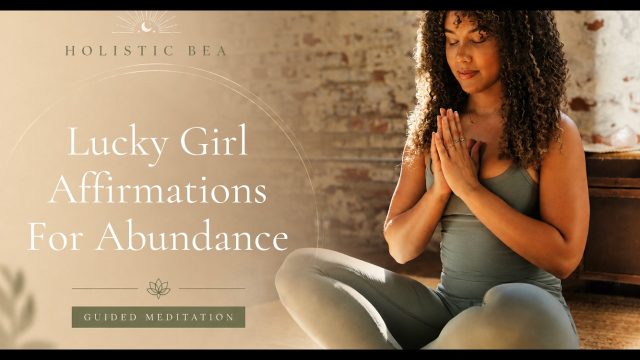
We live in a material-driven society engineered to keep us chasing the next purchase, the next achievement, the next thing we don't yet have. This creates what meditation teacher Bea Walker calls a "never-ending cycle of the pursuit of material gain"—a mindset rooted in scarcity and lack that contradicts how abundance actually works. The antidote, she argues, is deceptively simple: waking up in gratitude.
Walker frames the problem clearly. In a capitalist, material-driven world, our attention naturally gravitates toward what we're missing. We focus on the things we don't have instead of being grateful for what we do have. This creates a psychological and even spiritual misalignment. "This kind of mindset is rooted in scarcity and lack and is the opposite of an abundance mindset," she explains.
The shift isn't semantic—it's neurological and spiritual. To "be in alignment with the frequency of abundance," Walker suggests we must actively cultivate an attitude of gratitude by recognizing "how abundantly blessed we already are." Gratitude isn't a consolation prize for the unmotivated; it's a deliberate recalibration of your baseline perception. It retrains your nervous system to notice what's present rather than what's missing.
Walker's 6-minute meditation follows a clear sequence designed to anchor this shift before the day pulls you into reactivity:
- Grounding in breath: The practice begins with settling into a comfortable seat and turning attention to the breath. This isn't filler—it's the foundation that moves you from the thinking mind into present-moment awareness, where gratitude can actually land.
- The core question: Walker invites you to ask yourself silently: "What am I grateful for?" The openness is intentional. There's no "right" answer. You might feel gratitude for the sun, a blue sky, a loved one, or simply the fact of waking up this morning. The practice doesn't demand grand revelations—it invites whatever surfaces without judgment.
- Embodied sensation: After listing what you're grateful for, Walker guides you to place one or both hands over your heart and cultivate "a warm feeling of gratitude." She instructs you to "let the sensation slowly spread throughout your body filling your entire being." This is crucial: gratitude becomes somatic, not just intellectual. You're not just thinking appreciation; you're feeling it in your chest, your belly, your limbs.
- Affirmations as reprogramming: The practice closes with spoken affirmations: "Gratitude is the order of my day. I'm so thankful for waking up this morning. I'm grateful for everything good in my life. All of my needs are met. I have more than enough. I have everything I need. Everything I want is already mine." These aren't magical incantations. They're cognitive anchors designed to interrupt the scarcity narrative your default brain wants to run.
Walker opens her guidance with a direct claim: "Waking up in gratitude is one of the best ways to start the day." This isn't arbitrary. Your mind is most malleable in the first minutes after waking—before email, news, social feeds, and the day's demands activate your threat-detection system. A gratitude practice at this window essentially sets the emotional and perceptual tone for everything that follows. You're not trying to manufacture gratitude during rush hour; you're establishing it as your default frequency when your mind is still quiet.
"Living with a sense of gratitude enriches our lives and helps us to remember to be thankful for everything we have," Walker notes. The verb "remember" is worth noting—she's not suggesting gratitude creates new reality; it restores awareness of the abundance already present. This distinction matters. Gratitude isn't magical thinking or spiritual bypassing. It's a practice of redirecting attention toward what's genuinely there: people who love you, a body that works, a roof, food, breath, the simple miracle of waking up another day.
The affirmations Walker uses—"All of my needs are met. I have everything I need"—don't deny hardship or suggest material needs aren't real. They interrupt the neurotic habit of always reaching past the present toward an imagined future where satisfaction might finally arrive. That future never comes. The only place abundance can be felt is now, in relation to what you already have.
A 6-minute practice is brief enough to fit into any morning routine, yet structured enough to produce real shifts in perception. Walker's guidance is gentle but precise—there's no forced positivity, no demand that you feel a certain way. You're simply invited to notice what emerges when you ask yourself what you're already grateful for, to feel it in your body, and to affirm it aloud. The meditation becomes a daily anchor, a small act of deliberate resistance against the machinery of perpetual wanting.
The closing gesture—"Thank you so much for practicing with me. I'm so grateful for you"—isn't sentimental filler. It extends the practice beyond self-improvement into relationship and interdependence. You're not doing this alone; gratitude is relational. It acknowledges the people, conditions, and even strangers who make your life possible.
If this 6-minute practice resonates, consider making it a non-negotiable part of your morning ritual for at least two weeks. Research in positive psychology suggests that gratitude practices lose their power if they remain occasional; consistency is what rewires your baseline. You can explore deeper or longer meditations through teacher platforms like Insight Timer, or visit holistic.bea.com for additional guided practices. The real work happens in the consistency: not whether you feel grateful on any given day, but whether you show up to ask the question and listen for the answer.