BrightStar
BlogI miei biglietti
Saved events
Aiuto e contattiRegistratiAccedi
Eventi
  • Sfoglia tutti i Eventi
  • Yoga
  • Meditazione
  • Breathwork
  • Qigong
  • Musica sacra
  • World music
  • Musica medicina
  • Sound healing
  • Danza estatica
  • Cerimonia
  • Medicina delle piante
  • Guarigione energetica
  • Satsang e saggezza
  • Tantra
  • Ritiri
  • Tutte le categorie →
Destinazioni
  • Bali
  • Sedona
  • Los Angeles
  • Costa Rica
  • Tulum
  • Byron Bay
  • San Francisco
  • Austin
  • New York
  • San Diego
  • Denver
  • Seattle
  • Portland
  • Miami
  • London
  • Maui
  • Boulder
  • Tutte le città →
Piattaforma
  • Per organizzatori
  • Unisciti al movimento
  • Sell Globally
  • Per i creatori
  • Per team
  • Per gli scrittori
  • Per gli insegnanti
  • Per gli artisti kirtan
  • Per gli studi
  • Per i festival
  • Per i centri ritiro
  • Per le no-profit
  • Ambasciatore del brand
  • Biglietteria gratuita
  • Pro
  • Amplify
  • L’ecosistema
Funzionalità

Biglietteria e acquisto

  • Ticket categories
  • Assigned seating
  • Custom questions
  • Coupon codes
  • Smart pricing
  • Ticket sharing
  • Waitlist
  • Flexible refunds
  • Digital waivers
  • Tip jar
  • Donations and sliding scale
  • Embed widget
  • Mindful checkout
  • Recurring events
  • Private sessions
  • Online courses
  • Summits
  • Rooms and stays
  • Ticket scanner

Marketing e crescita

  • Abandoned cart recovery
  • Visitor recovery
  • Upsells and add-ons
  • Affiliate engine
  • Upsell affiliate network
  • Brand ambassador
  • Meta retargeting
  • Verified buyer network
  • Outbound email marketing
  • Email sequences
  • SMS and WhatsApp
  • Event upsell network
  • Direct mail campaigns
  • SEO engine
  • Syndication
  • Event sharing
  • Custom event pages
  • Artist profiles
  • Link in bio
  • Event blog
  • Blog newsletter

Pagamenti

  • Payments, powered by Stripe
  • Buy now, pay later
  • Apple Wallet
  • Multi currency

Dati e operazioni

  • Team access
  • Message center
  • Reports
  • Analytics reporting
  • Performance reporting
  • Customer data
  • Integrations
  • Switch from another platform

IA

  • Assistant
  • AI FAQ assistant
  • Tutte le funzionalità →
Azienda
  • Chi siamo
  • Domande frequenti
  • Contatti
  • Blog
  • Glossario
  • Guides
  • Ispirazione
  • Centro assistenza
  • Documentazione API
  • Risorse del brand
  • Stampa
  • Termini di servizio
  • Informativa sulla privacy

Eventi

  • Sfoglia tutti i Eventi
  • Yoga
  • Meditazione
  • Breathwork
  • Qigong
  • Musica sacra
  • World music
  • Musica medicina

Destinazioni

  • Bali
  • Sedona
  • Los Angeles
  • Costa Rica
  • Tulum
  • Byron Bay
  • San Francisco
  • Austin

Piattaforma

  • Per organizzatori
  • Unisciti al movimento
  • Sell Globally
  • Per i creatori
  • Per team
  • Per gli scrittori
  • Per gli insegnanti
  • Per gli artisti kirtan

Funzionalità

  • Rete della comunità
  • Recupero carrelli abbandonati
  • Categorie di biglietti
  • Eventi ricorrenti
  • Posti assegnati
  • Sistema affiliati
  • Lista d'attesa / Notifica
  • Tutte le funzionalità →

Azienda

  • Chi siamo
  • Domande frequenti
  • Contatti
  • Blog
  • Glossario
  • Guides
  • Termini di servizio
  • Informativa sulla privacy
Leggi di più

Eventi

  • Sound healing
  • Danza estatica
  • Cerimonia
  • Medicina delle piante
  • Guarigione energetica
  • Satsang e saggezza
  • Tantra
  • Ritiri
  • Tutte le categorie →

Destinazioni

  • New York
  • San Diego
  • Denver
  • Seattle
  • Portland
  • Miami
  • London
  • Maui
  • Boulder
  • Tutte le città →

Piattaforma

  • Per gli studi
  • Per i festival
  • Per i centri ritiro
  • Per le no-profit
  • Ambasciatore del brand
  • Biglietteria gratuita
  • Pro
  • Amplify
  • L’ecosistema

Azienda

  • Ispirazione
  • Centro assistenza
  • Documentazione API
  • Risorse del brand
  • Stampa

Biglietteria e acquisto

  • Ticket categories
  • Assigned seating
  • Custom questions
  • Coupon codes
  • Smart pricing
  • Ticket sharing
  • Waitlist
  • Flexible refunds
  • Digital waivers
  • Tip jar
  • Donations and sliding scale
  • Embed widget
  • Mindful checkout
  • Recurring events
  • Private sessions
  • Online courses
  • Summits
  • Rooms and stays
  • Ticket scanner

Marketing e crescita

  • Abandoned cart recovery
  • Visitor recovery
  • Upsells and add-ons
  • Affiliate engine
  • Upsell affiliate network
  • Brand ambassador
  • Meta retargeting
  • Verified buyer network
  • Outbound email marketing
  • Email sequences
  • SMS and WhatsApp
  • Event upsell network
  • Direct mail campaigns
  • SEO engine
  • Syndication
  • Event sharing
  • Custom event pages
  • Artist profiles
  • Link in bio
  • Event blog
  • Blog newsletter

Pagamenti

  • Payments, powered by Stripe
  • Buy now, pay later
  • Apple Wallet
  • Multi currency

Dati e operazioni

  • Team access
  • Message center
  • Reports
  • Analytics reporting
  • Performance reporting
  • Customer data
  • Integrations
  • Switch from another platform

IA

  • Assistant
  • AI FAQ assistant
Scarica l'app
Scarica suApp StoreDisponibile suGoogle Play
© 2026 BrightStar. Tutti i diritti riservati. BrightStar Selection · Crediti fotografici · Registro delle modifiche ·
Inspiration

Upper Body Release: Mindful Movement for Shoulder Tension

Christine Wushke
Christine Wushke
Apr 7, 2023
6 min di lettura

Da Christine Wushke

Guarda · 8

The secret to releasing shoulder tension isn't muscling it away. It's learning to undo what your body has already braced against—and then letting it go with gratitude.

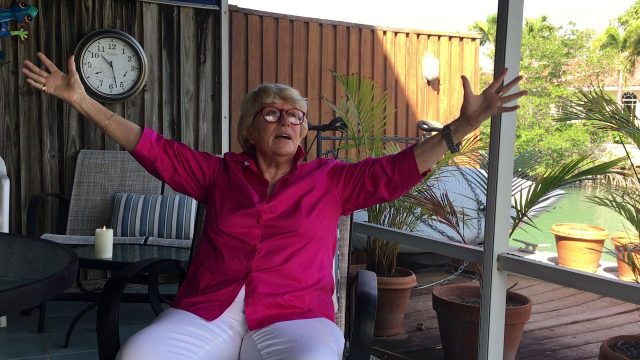
Christine Wushke, a movement teacher specializing in myofascial yoga and stress reduction, launched a 21-day mindful movement and breathwork challenge with a deceptively simple goal: to show that accessible practices exist for anyone, anywhere, regardless of fitness level or prior yoga experience. Day 1 focuses on the upper body, introducing a technique that invites awareness before action—a cornerstone of her teaching philosophy.

Lettura · 7 sezioni

The Problem Nobody Talks About: Habitual Holding

Most of us carry tension we don't know we're carrying. The neck tightens. The shoulders hunch toward the ears. The chest braces. These patterns become so embedded that they feel like our baseline—until they don't, and pain arrives uninvited.

Wushke identifies this as a tracking problem. "One of the things I'll invite you to start tracking for is any place in your body where you might be holding a bit of lingering muscle activation that doesn't really need to be there. Sometimes we'll get into patterns where we guard or we brace or hold something almost as a habit—it may be just left over," she explains in the Day 1 session. The body isn't misbehaving; it's protecting. The question is: does it still need to?

Shoulder Raises: The Gentle Squeeze and the Release

Wushke's signature movement begins with something ordinary: lifting your shoulders on an inhale and lowering them on an exhale. The practice lies in how you do it.

On the lift, you raise your shoulders toward your ears and, at the top, perform "a very gentle squeeze"—not a muscular clench but a soft engagement that tells your shoulder musculature: "turn on." The hold is brief. Then comes the reversal: the slow descent. But here's where the technique diverges from conventional exercise. Rather than pushing shoulders down through muscular effort, you invite them to lower further through passive release. "Can you let them get a bit heavier, fall a little bit further away from your ears?" Wushke suggests. The difference is subtle but profound. You're not fighting the body; you're stepping out of its way.

When you lower your shoulders all the way down, you drop them one more fraction. Then another. This microcorrection teaches the nervous system a new default: the possibility that shoulders can rest even lower than their habitual perch.

She notes that the movement may feel jerky at first—a sign not of failure but of awareness returning to tissues that have been operating on autopilot. "Track with that," she instructs. The jerkiness is the nervous system waking up.

Shoulder Rolls and Nose Circles: Releasing the Neck

After the shoulder raises, Wushke guides students through gentle shoulder circles—five rotations forward, five back, with an optional wiggle and shake to let tension dissolve playfully. The tone matters. This isn't punishment; it's permission.

She then introduces nose circles, a technique drawn from her earlier work in myofascial yoga for stress reduction. The practice is simple: imagine a marker at the tip of your nose and draw tiny circles with it—five in one direction, five in the other. Because the nose is attached to the head, and the head to the neck and shoulders, this subtle movement mobilizes the entire upper back chain. The key is making the circles as small as possible, which paradoxically creates more precision and proprioceptive awareness. The upper body settles through movement, not stillness.

The Compassionate Body Scan: Gratitude Over Force

Once the movement portion ends, Wushke transitions to a seated or reclined position and introduces what she calls a "compassionate body scan." This is where the mindfulness deepens.

She asks students to bring attention to anywhere in the body where muscle activation persists without purpose. Rather than trying to force relaxation, she offers a reframe: "The first step is to acknowledge the sensation of holding or bracing with an attitude of gratitude toward the body's intelligence. When I track that, I think: 'Thank you for protecting me. Thank you for keeping me safe.'" This shift—from fight to acknowledgment—often allows tissues to soften on their own.

If the holding persists, she counsels acceptance and compassion: "Oh yeah, you're working hard. Thank you." The body, in this framing, is never the enemy. It's always trying to help.

Belly Breathing: Nervous System Settling

The final phase moves to the breath. With hands resting on the belly, students practice natural, effortless breathing—no manipulation, just observation. For the first five breaths, the task is simply to notice how the breath moves without trying to change it.

Wushke then shifts focus to the abdominal musculature itself. Many people hold tension in the belly without realizing it, bracing the core as a habit. She invites awareness: "See if your abdominal musculature, in any way, is holding as you inhale."

Once that awareness lands, she guides five breaths with a simple instruction: allow the belly to soften on the inhale and let the exhale be effortless, "falling out of your body" rather than being pushed. This isn't forced relaxation; it's relaxation through permission. The diaphragm does the work. The abdominal muscles simply get out of the way.

The effect is neurological. Belly breathing activates the parasympathetic nervous system—the body's brake pedal—allowing the system to calm and settle without effort.

Inclusivity: The Architecture of the Challenge

Wushke closes the session by explicitly addressing modifications and inclusivity. "I know some of you who follow my page are going through really serious medical situations," she acknowledges. "I just want to really cheer you on and let you know that you can do this. Please modify."

She offers alternatives: if someone is unable or unwilling to do active movement, they can visualize it, practice the hand movements in mindfulness, or join only the breathing portions of future sequences. The 21-day structure itself—kept short, typically 10 to 20 minutes—is designed so people can participate from wherever they are: in bed, in a chair, standing, or lying on the floor.

The core philosophy is relentless: fitness and flexibility are not prerequisites. These are "simple, easy movements that anybody can do." The only requirement is a willingness to bring awareness to the body as it is.

Where to go from here

The 21-day mindful movement and breathwork challenge continues with new sequences released daily. The full playlist is available on YouTube, with replays posted to the accompanying Facebook group for those who cannot join live sessions. Each day adds new techniques while maintaining the same principles: awareness before action, gratitude over force, modification over dogma. Whether you're managing chronic tension, recovering from injury, or simply exploring what your body can do when you stop fighting it, the challenge invites you to meet yourself where you are—and to discover how much shifts when you do.

Commenti

Caricamento della conversazione…

Transcript

[0:03] hi everyone and welcome to the 21 Day

[0:07] mindful movement and breath work

[0:10] challenge

[0:11] I had a lot of you message me and let me

[0:14] know what you're wanting to focus on for

[0:16] the 21 days and I'm really excited about

[0:18] it I just tried to set up a uh way to do

[0:23] it live through Facebook and zoom didn't

[0:26] seem to work so I don't know if anybody

[0:27] who is tech savvy please help me out

[0:30] with that

[0:32] um so otherwise I think we're gonna have

[0:33] to do it on zoom and then what I'll do

[0:36] is I'll post the videos to the Facebook

[0:38] group so if you're not able to catch the

[0:41] lives then you can just

[0:43] um watch the replays I'm going to keep

[0:45] them short there'll be a couple you know

[0:47] 10 10 to 20 minutes every day and I

[0:51] would really love to have you join me on

[0:54] Zoom if you're able to make it I set the

[0:57] first one for 6 P.M just because it

[0:59] works for me but if you have a time

[1:01] request let me know I as long as it's

[1:04] early enough in the morning I could

[1:05] probably do it early morning for those

[1:08] of you

[1:09] overseas and you need uh the Mountain

[1:11] Time evenings won't work for you

[1:14] probably so why don't we do one real

[1:16] quick thing just to kind of

[1:18] get everything started the

[1:22] um series I did with Eckhart yoga on

[1:25] myofascial yoga for stress reduction one

[1:27] of the most popular videos in that

[1:28] series is the sequence that I did for

[1:31] upper body tension and so I'm gonna walk

[1:35] you through just maybe one or two of

[1:38] those movements and

[1:40] the thing with these is that you want to

[1:42] not do them just like once and then

[1:45] forget about it it's something you might

[1:46] want to do several times a day so if you

[1:49] do and like if this upper body

[1:53] kind of holding or tension is a thing

[1:56] for you if this is something you track

[1:58] in yourself and you want to have some

[2:00] exercises to work with to either bring

[2:03] awareness there or to decrease that

[2:05] tension then this is a really good

[2:07] movement

[2:08] so how it works

[2:11] is all you're going to do is lift your

[2:13] shoulders up and then lower them down

[2:15] but we're going to do that in a really

[2:17] specific way so

[2:20] let's take a minute first and

[2:24] see if you can

[2:26] bring yourself into mindfulness

[2:32] um

[2:36] taking a few breaths

[2:39] to find your Center

[2:48] and then on your next inhale start to

[2:51] slowly lift your shoulders out toward

[2:54] your ears and at the top you want to

[2:58] squeeze ever so slightly it should be a

[3:00] very gentle squeeze so no pain no

[3:04] intense stress in the tissues just add

[3:07] slight

[3:08] and squeezing until you're feeling them

[3:11] turn on

[3:12] and then hold

[3:14] and then slowly lower

[3:18] now here's the trick when you get to the

[3:21] bottom so when you've lowered your

[3:23] shoulders all the way

[3:26] see if you can

[3:28] lower them a little more can you let

[3:30] them get a bit heavier fall a little bit

[3:33] further away from your ears

[3:36] and this different than pushing them

[3:39] down like I can muscle my shoulders down

[3:41] but this what we're trying to do is let

[3:45] just just not just not do this so we're

[3:47] just undoing

[3:50] this to this okay let's do this a couple

[3:55] times together so you're going to lift

[3:57] your shoulders low

[3:59] and when you get to the top of your just

[4:03] sort of this is about as far as you can

[4:05] go then squeeze your shoulders toward

[4:10] each other might keep lifting a bit

[4:13] until you feel the sense of the muscle

[4:15] shirt on once you feel like you're

[4:17] engaged hold

[4:21] and then slowly lower as slow as you can

[4:26] slow motion lower

[4:32] and you may track for a little bit of

[4:36] jerkiness in the movements it might not

[4:39] be fully smooth it's actually a good

[4:41] sign I'll tell you a little bit about it

[4:43] later

[4:44] but track with that when you get to the

[4:47] bottom again can you let them be

[4:51] just one percent heavier

[4:56] one more time lift

[5:01] squeeze

[5:04] old

[5:07] slow as you can lower

[5:21] and then when you get to the very bottom

[5:25] can you let your shoulders be five

[5:28] percent happier

[5:34] then let's do some circles

[5:41] let's go five forward five back

[5:54] and maybe just a little wiggle and Shake

[5:57] and then let's do some nose circles

[6:01] the nose circles is really great for

[6:03] upper shoulder and neck tension so for

[6:07] this one imagine that you have a marker

[6:11] on the end of your nose and you're gonna

[6:14] draw

[6:15] circles with that marker but make the

[6:17] circles as small as you can make them

[6:26] and we'll go five one way

[6:29] and then we'll go five the other way

[6:43] and then for this last one

[6:46] um we invite you to either if you're in

[6:48] a chair that you can lean back in just

[6:49] lean back so you can kind of relax your

[6:51] upper back if you're just sitting on the

[6:54] floor and you don't have back support

[6:56] maybe see about laying down on the

[6:58] ground for this next part

[7:00] or laying down or just relaxing back

[7:02] into a coach wherever you happen to be

[7:04] so that you can kind of let some support

[7:07] hold your upper body and we're going to

[7:09] do some prep work

[7:12] so I've kind of set myself up in a way

[7:15] that you can't see me super well but

[7:18] um

[7:18] um I'll be on the other spot next time

[7:21] so for this one if you want to put your

[7:23] hands on your belly all we're going to

[7:25] do is

[7:27] um

[7:27] easy natural belly breathing and this

[7:32] one is just so great for allowing your

[7:36] system your nervous system to calm and

[7:39] settle

[7:40] so once you're comfortable and got

[7:42] yourself in a position where you can

[7:44] relax

[7:46] and bring your hands onto your belly

[7:52] and all we're going to do for the first

[7:54] maybe five breaths here is notice the

[7:59] breath as it is

[8:01] so without changing anything

[8:03] bring awareness to

[8:06] just how it feels to Breathe In This

[8:08] Moment

[8:19] and one of the things I'll invite you to

[8:21] start tracking for is any place in your

[8:25] body where you might be holding a bit of

[8:28] lingering

[8:30] um muscle activation that that doesn't

[8:33] really need to be there sometimes we'll

[8:35] get into patterns where we're we'll

[8:38] guard or we'll brace or hold something

[8:42] um almost as a habit it may be just left

[8:44] over so tracking that in your system

[8:49] foreign

[8:53] if you find any of those Holdings that

[8:57] don't really need to be there you don't

[8:59] really need to be holding them

[9:01] don't try to make yourself let them go

[9:04] that's really important

[9:06] the first step is to acknowledge

[9:09] the sensation of holding or bracing

[9:15] with an attitude of gratitude toward the

[9:19] body's intelligence so I like to say

[9:22] when I track that thank you

[9:25] for protecting me

[9:32] thank you

[9:35] thank you for keeping me safe muscles

[9:38] Dasha whatever you're tracking

[9:41] thank you

[9:45] so just that acknowledgment might be a

[9:48] now for those tissues to melt a bit and

[9:50] soften on their own

[9:52] and if not again don't worry about it

[9:54] just become aware of the folding

[9:58] with either gratitude or Compassion

[10:00] maybe like oh yeah

[10:04] you're working hard

[10:08] thank you

[10:13] let's go back to the breath

[10:16] and

[10:17] exactly what we just tracked in the

[10:20] whole body as far as holding now we want

[10:23] to track in the belly specifically so

[10:27] see if your abdominal musculature in any

[10:32] way is holding as you inhale

[10:41] again if you find that holding just

[10:43] think it

[10:51] and then we're going to take five

[10:53] breaths and the focus for these next

[10:55] five breaths is to Simply allow the

[10:59] belly to soften on the inhale

[11:03] and then allow the exhale to be

[11:05] effortless allow that exhale to kind of

[11:08] fall out of your body

[11:10] so inhale relax belly so it might feel

[11:14] like a bit of an inflating but not a

[11:17] muscling it just kind of inflates all by

[11:19] itself as the diaphragm moves

[11:22] and then exhaling

[11:25] letting the air fall out of your body

[11:32] three more

[11:53] and that's it for our challenge today it

[11:56] was a super short one but I just wanted

[11:58] to

[12:01] um

[12:02] encourage you to dip your toes in and

[12:05] see that these are things anybody can do

[12:07] you don't have to be fit and you don't

[12:09] have to be flexible and you don't have

[12:11] to already know yoga these are just

[12:13] simple easy movements that anybody can

[12:15] do and I also want to say before I close

[12:19] for the day that

[12:22] I know some of you who follow my page

[12:24] are going through really serious medical

[12:27] situations and some of you are even

[12:30] beverage in and I just want to really

[12:31] cheer you on and let you know that you

[12:34] can do this

[12:35] please modify please

[12:38] um take anything I suggest and make it

[12:40] fit your experience

[12:42] if you want something a bit more active

[12:44] we'll throw a couple of those kind of

[12:46] mindful cardio bits into our Challenge

[12:49] and if you're in a situation where

[12:52] cardio isn't going to be healthy and

[12:54] good for your body then see about laying

[12:57] in your bed and bite-sizing it

[13:00] visualizing it doing hand movements in

[13:04] mindfulness or you can always join the

[13:07] breath part of a challenge so each of

[13:09] the sequences I'm going to have a little

[13:11] bit of mindful movement and then a

[13:13] little bit of breath work and I'm

[13:15] thinking we'll just progressively

[13:17] increase the challenge level of them but

[13:21] please keep commenting and letting me

[13:23] know what you want so that we can really

[13:25] tailor this challenge to exactly what

[13:28] you're looking for and I hope that you

[13:30] get something out of it each time so let

[13:33] me know in the comments

[13:35] um what you request for next time and

[13:38] hopefully we can do all of the things

[13:42] so thank you so much for joining and a

[13:46] great big hug and amount of stay to you

Christine Wushke

Christine Wushke

Artista

Myofascial yoga teacher, Reiki practitioner and Hakomi therapist with over twenty years of experience helping people find wellness and spiritual transformation by listening to the body.

Vedi il profilo
Esplora i temi
Mindful movementShoulder tensionBreathworkNervous systemBody awareness
Domande frequenti

Domande frequenti

Rather than muscling shoulders down, invite them to become heavier and settle further away from the ears through passive release. Begin by gently squeezing shoulder muscles on an inhale to bring awareness, then slowly lower while allowing gravity to do the work. This teaches the nervous system a new resting position.

Yes. These mindful movement techniques require no prior fitness or flexibility. They're designed as simple, accessible practices that work from any position—standing, sitting, lying down, or even in bed. The focus is on awareness and gentle engagement, not athletic performance.

Jerkiness is a positive sign that your nervous system is waking up and reconnecting with tissues that have been operating on autopilot. Rather than trying to smooth it out, notice it with curiosity. Awareness itself begins to shift habitual patterns.

Belly breathing activates the parasympathetic nervous system—your body's relaxation response. By allowing the diaphragm to work and the abdominal muscles to soften on the inhale, you signal safety to your nervous system without effort or force.

Consult your healthcare provider before beginning. The challenge is designed with modifications: you can visualize movements, practice hand movements with mindfulness, or focus only on the breathing portions. Always listen to your body and modify as needed.

A compassionate body scan is scanning the body for areas of tension while approaching those areas with thanks rather than frustration. By mentally thanking your muscles for protecting you, you shift from a fight-based to acceptance-based approach, which often allows tension to release naturally.

These exercises are designed to be done multiple times a day if tension tracking is something you manage. They take just a few minutes, so you can return to them whenever you notice shoulder or neck holding returning throughout your day.

Potrebbe piacerti anche

Vedi Tutto
Fascia Isn't Connective Tissue: Safety in Yoga Teaching
Inspire

Fascia Isn't Connective Tissue: Safety in Yoga Teaching

Two structural integrators argue fascia is one unifying fabric rather than separable parts, and that felt safety shapes what happens in a yo…

9 min read
Fascia, Biotensegrity and the Touch That Listens
Inspire

Fascia, Biotensegrity and the Touch That Listens

In part two of an interview on Christine Wushke's channel, physical therapist Carol Davis links fascia, biotensegrity and intuitive touch. H…

8 min read
Medicine Buddha Practice: Feeling Beneath the Thinking
Inspire

Medicine Buddha Practice: Feeling Beneath the Thinking

Lama Rod Owens opens a Monday-night Medicine Buddha session six years into the practice, teaching how to feel an experience instead of think…

10 min read
Sanctuary Live: Becoming a Living Sanctuary in Song
Inspire

Sanctuary Live: Becoming a Living Sanctuary in Song

Donna De Lory's acoustic performance of "Sanctuary" builds a six-minute prayer out of one request: prepare me. Here is how the lyric, the sh…

7 min read
Vedi tuttiPotrebbe piacerti anche→

Continua il tuo viaggio

Altra saggezza e altri incontri da tutta la directory BrightStar.

Altri articoli

Sfoglia l’intera raccolta di insegnamenti, interviste e guide.

Torna a tutti gli articoli →

Insegnanti e artisti

Esplora i lignaggi, i musicisti e le guide del mondo consapevole.

Esplora gli artisti →

Trova un evento

Kirtan, ritiri, sound bath, breathwork, festival: in arrivo presto.

Sfoglia gli eventi →