

Thomas Drach
Composer
Chi è
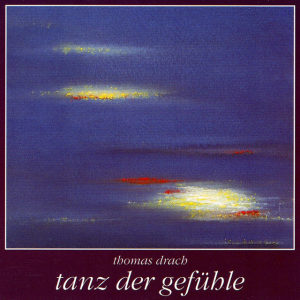
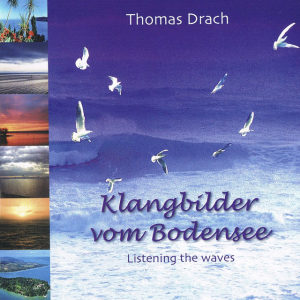
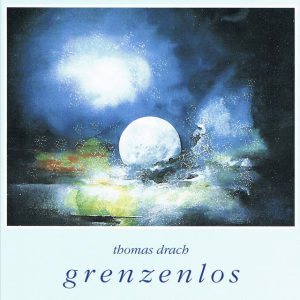
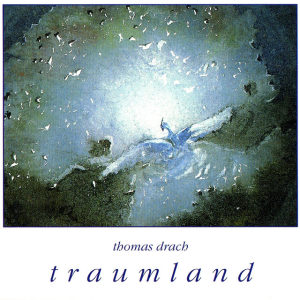
Thomas Drach is a musician whose recordings are gathered on his own website, Thomas Drach Music. His catalogue reaches back to 1993, when he released the album Traumland, and continues through Grenzenlos (2000), Klangbilder vom Bodensee (2001) and Tanz der Gefühle (2017).
Thomas Drach is a musician whose recordings are gathered on his own website, Thomas Drach Music. His catalogue reaches back to 1993, when he released the album Traumland, and continues through Grenzenlos (2000), Klangbilder vom Bodensee (2001) and Tanz der Gefühle (2017).
More recent releases include Dreaming Spa, Vol. 1 and Dancing Light, both from 2023, along with A Positive Feeling of Healing and A Positive Feeling of Silence, each issued in a 432 Hz version in 2023.
Domande
Questions
Thomas Drach is a German composer, healer and seminar leader from the Lake Constance region, and the public record of his career runs from the album Traumland in 1993 to recent single releases in 2025. His musical training began in a boys' orchestra in Meersburg on Lake Constance, where he played clarinet before adding guitar and keyboard. He composes mainly instrumental music for relaxation and meditation, and his rhythmic pieces have a partly symphonic character that sets them apart from more static ambient work. Since 2023 he has produced his compositions at 432 Hz, a tuning he presents as relaxing and sleep-supporting, though those effects are attributed claims rather than independently verified findings. Listeners who care about his work tend to be drawn to the continuity of a single composer working across three decades, from the early Bodensee-themed albums to the Dreaming Spa series. His Spotify presence is still small, with 34 followers at the time of our data, so most of what is known about him comes from the catalogue itself and his own website.
Our data does not name a specific spiritual lineage, teacher, or school for Thomas Drach, so any claim about a formal tradition would be speculation. What the record does show is a German path that moves from orchestral and classical training into relaxation and meditation music, with a healing and seminar practice running alongside the composing. The 432 Hz tuning he adopted in 2023 places his work within a broader current of alternative-tuning music, which has its own followers and its own contested claims about physical and mental effects. The Lake Constance setting also matters to the catalogue, since Klangbilder vom Bodensee in 2001 takes the region as its explicit subject. Readers who need a named lineage should treat that as an open question rather than assume one. Our full piece on Thomas Drach's lineage will cover this in more depth once it is published, and until then the safest reading is the one the bio itself offers: a composer and healer whose stated aim is relaxation, meditation, and better sleep.
A newcomer should start with Tanz der Gefühle, the 2017 album with 13 tracks, because it is the most recent full-length record in the catalogue and shows the mature version of his instrumental style. For a sense of where the sound began, Traumland from 1993 and Grenzenlos from 2000 document the earlier period, when the relaxation focus was already present. Klangbilder vom Bodensee from 2001 is the most place-specific album and works well for listeners who want the Lake Constance connection. Once the albums feel familiar, the 432 Hz singles are a useful second step, especially A Positive Feeling of Healing and A Positive Feeling of Silence, which are the 432 Hz versions of earlier material. Shorter releases such as Dreaming Spa, Vol. 1 and Vol. 2 are easy entry points for listeners who want something under twenty minutes. The reasoning behind this order is simple: full albums first to hear the composer's range, then the 432 Hz reworkings to hear how the same material changes when retuned.
Many composers of meditation and relaxation music work in slow, texture-driven ambient forms, but Thomas Drach's bio describes rhythmic pieces with a partly symphonic character, which is a less common combination in this genre. His orchestral background, starting with the clarinet in a boys' orchestra, shows up in the sense of structure and melodic shape rather than pure drone. The consistent use of 432 Hz tuning since 2023 gives his newer releases a specific identity that most relaxation composers have not adopted. Titles such as A Positive Feeling of Healing, Voice of Hope, and Coming Home point to a deliberate emotional framing rather than a generic nature-sounds palette. He also works as a seminar leader and healer, so the music sits alongside a teaching practice rather than standing as product on its own. Readers comparing him to other composers should note that his catalogue is more consistently release-driven than most, with multiple singles in 2023, 2024, and 2025.
Thomas Drach's work is not for listeners who want high-energy, high-BPM electronic music, dance floor pacing, or the tension-and-release structures of club genres. The composition is built for relaxation and meditation, so listeners expecting dramatic drops or aggressive percussion will likely find it too soft. The rhythmic pieces he describes do have movement, but that movement is gentle and symphonic rather than driving. Those who are skeptical of 432 Hz tuning should also be cautious, since the bio frames the benefits as attributed effects, and the tuning is a matter of stated belief rather than settled evidence. Listeners who want a named teacher with a formal lineage, or extensive written teaching, will not find that in the material we have. Those who want detailed liner notes, collaborator credits, or press coverage will also come up short, because the data available for this profile is thin on those points.
The most reliable place to follow new releases is the Spotify artist page, which lists the full discography including the 2025 singles Healing Waves and Tranquil Touch. The official website at thomas-drach-music.com is the primary source for seminars, meditations, and any event announcements that are not captured on streaming platforms. Our data currently contains no dated upcoming events, so there is no tour or seminar schedule to report at this time. The release cadence is steady, with singles appearing in September, October, and December of various years, and the 2024 and 2025 releases are often shorter, two- or three-track formats. Readers who want to be notified should follow the Spotify page directly, since new singles tend to appear there first. We will update this section as event listings are crawled and verified.
Thomas Drach's music is instrumental, built for relaxation and meditation, and it leans on clean melodic lines rather than dense layering. The rhythmic pieces have a partly symphonic character, so the arrangements often sound more orchestrated than the typical ambient drone. His background on clarinet suggests that wind-style phrasing and sustained melodic lines are part of the vocabulary, though the data does not list specific instruments on each track. The 432 Hz versions, such as the reworkings of A Positive Feeling of Healing and A Positive Feeling of Silence, are tuned lower than the standard 440 Hz concert pitch, which gives them a slightly warmer, less bright sound for listeners who notice pitch. Pacing tends to be unhurried, with the longer albums like Tanz der Gefühle built as sequences rather than single extended pieces. Newcomers should expect restraint rather than dramatic arc, and the first listen can feel quiet until the ear adjusts to the slow tempo and the tuning.
The essential albums are Traumland from 1993, Grenzenlos from 2000, Klangbilder vom Bodensee from 2001, and Tanz der Gefühle from 2017, which together span the composer's full-length output in the data. Traumland, released in February 1993 with 12 tracks, is the earliest record and documents the relaxation-focused approach before the later 432 Hz period. Grenzenlos, with 13 tracks, extends the same instrumental language into a longer sequence and is often the album listeners reach for after the first. Klangbilder vom Bodensee, with 7 tracks, is the most place-specific record and the clearest statement of the Lake Constance identity. Tanz der Gefühle, with 13 tracks, is the most recent full album and shows the composer's mature rhythmic style, which is the most symphonic of the four. Listeners who want the newer 432 Hz material should move from these albums to the Dreaming Spa series and the 2023 reworkings.
The data documents Thomas Drach's own instrumental background: clarinet from his early years in the boys' orchestra in Meersburg, followed by guitar and keyboard. No outside collaborators, producers, or session musicians are named in the profile data, so any credit claims would be invented. The Healing Waves single from 2025 is titled with the instruments keys, brass, rhythm, and choir, along with ocean waves, which suggests the recent work uses a wider palette than the earlier albums. Choir and brass appear in that title, but the data does not confirm whether they are live or synthesized. The bio's emphasis on keyboard and guitar points to a composer who builds his own arrangements rather than working primarily with a band. Those who need precise credits, such as a specific choir or brass section, should check the Spotify album pages or the official website, where liner-level detail is more likely to be listed than in our summary.
Thomas Drach composes mainly for relaxation and meditation, so the catalogue as a whole is aimed at those uses, and the bio names meditation music as a core purpose. Titles such as Tranquil Touch, Gentle Feelings, and A Positive Feeling of Silence suggest the quieter, slower end of the range, which is where most listeners would begin for a seated practice. The Dreaming Spa, Vol. 1 and Vol. 2 releases, with three tracks each, carry a spa-style framing that fits rest or post-practice listening. Whether any track works well for a yoga flow depends on the pace a teacher wants, and the data does not provide tempo or mood tags to settle that. Ceremony use is not addressed by the artist's own material in our data, so anyone planning a ceremonial context should preview tracks in advance. The rhythmic pieces are the most likely candidates for movement-based practice, though that inference rests on the bio's description rather than on any direct evidence about the recordings.





Sei tu? Rivendica questa pagina ›
There's more where this came from.
BrightStar is the global directory of artists, teachers, and healers in the wellness and spiritual movement. Find your next experience — or add yourself.
Discover More Artists
Browse 14,000+ curated profiles across kirtan, yoga, meditation, and beyond.
Explore directory →Find an Event Near You
Kirtan, retreats, sound baths, breathwork, ceremonies — happening this week.
Browse events →Add Your Profile
Are you an artist, teacher, or healer? Get listed — free, AI-assisted, live in minutes.
Get started →