BrightStar
BlogI miei biglietti
Saved events
Aiuto e contattiRegistratiAccedi
Eventi
  • Sfoglia tutti i Eventi
  • Yoga
  • Meditazione
  • Breathwork
  • Qigong
  • Musica sacra
  • World music
  • Musica medicina
  • Sound healing
  • Danza estatica
  • Cerimonia
  • Medicina delle piante
  • Guarigione energetica
  • Satsang e saggezza
  • Tantra
  • Ritiri
  • Tutte le categorie →
Destinazioni
  • Bali
  • Sedona
  • Los Angeles
  • Costa Rica
  • Tulum
  • Byron Bay
  • San Francisco
  • Austin
  • New York
  • San Diego
  • Denver
  • Seattle
  • Portland
  • Miami
  • London
  • Maui
  • Boulder
  • Tutte le città →
Piattaforma
  • Per organizzatori
  • Unisciti al movimento
  • Sell Globally
  • Per i creatori
  • Per team
  • Per gli scrittori
  • Per gli insegnanti
  • Per gli artisti kirtan
  • Per gli studi
  • Per i festival
  • Per i centri ritiro
  • Per le no-profit
  • Ambasciatore del brand
  • Biglietteria gratuita
  • Pro
  • Amplify
  • L’ecosistema
Funzionalità

Biglietteria e acquisto

  • Ticket categories
  • Assigned seating
  • Custom questions
  • Coupon codes
  • Smart pricing
  • Ticket sharing
  • Waitlist
  • Flexible refunds
  • Digital waivers
  • Tip jar
  • Donations and sliding scale
  • Embed widget
  • Mindful checkout
  • Recurring events
  • Private sessions
  • Online courses
  • Summits
  • Rooms and stays
  • Ticket scanner

Marketing e crescita

  • Abandoned cart recovery
  • Visitor recovery
  • Upsells and add-ons
  • Affiliate engine
  • Upsell affiliate network
  • Brand ambassador
  • Meta retargeting
  • Verified buyer network
  • Outbound email marketing
  • Email sequences
  • SMS and WhatsApp
  • Event upsell network
  • Direct mail campaigns
  • SEO engine
  • Syndication
  • Event sharing
  • Custom event pages
  • Artist profiles
  • Link in bio
  • Event blog
  • Blog newsletter

Pagamenti

  • Payments, powered by Stripe
  • Buy now, pay later
  • Apple Wallet
  • Multi currency

Dati e operazioni

  • Team access
  • Message center
  • Reports
  • Analytics reporting
  • Performance reporting
  • Customer data
  • Integrations
  • Switch from another platform

IA

  • Assistant
  • AI FAQ assistant
  • Tutte le funzionalità →
Azienda
  • Chi siamo
  • Domande frequenti
  • Contatti
  • Blog
  • Glossario
  • Guides
  • Ispirazione
  • Centro assistenza
  • Documentazione API
  • Risorse del brand
  • Stampa
  • Termini di servizio
  • Informativa sulla privacy

Eventi

  • Sfoglia tutti i Eventi
  • Yoga
  • Meditazione
  • Breathwork
  • Qigong
  • Musica sacra
  • World music
  • Musica medicina

Destinazioni

  • Bali
  • Sedona
  • Los Angeles
  • Costa Rica
  • Tulum
  • Byron Bay
  • San Francisco
  • Austin

Piattaforma

  • Per organizzatori
  • Unisciti al movimento
  • Sell Globally
  • Per i creatori
  • Per team
  • Per gli scrittori
  • Per gli insegnanti
  • Per gli artisti kirtan

Funzionalità

  • Rete della comunità
  • Recupero carrelli abbandonati
  • Categorie di biglietti
  • Eventi ricorrenti
  • Posti assegnati
  • Sistema affiliati
  • Lista d'attesa / Notifica
  • Tutte le funzionalità →

Azienda

  • Chi siamo
  • Domande frequenti
  • Contatti
  • Blog
  • Glossario
  • Guides
  • Termini di servizio
  • Informativa sulla privacy
Leggi di più

Eventi

  • Sound healing
  • Danza estatica
  • Cerimonia
  • Medicina delle piante
  • Guarigione energetica
  • Satsang e saggezza
  • Tantra
  • Ritiri
  • Tutte le categorie →

Destinazioni

  • New York
  • San Diego
  • Denver
  • Seattle
  • Portland
  • Miami
  • London
  • Maui
  • Boulder
  • Tutte le città →

Piattaforma

  • Per gli studi
  • Per i festival
  • Per i centri ritiro
  • Per le no-profit
  • Ambasciatore del brand
  • Biglietteria gratuita
  • Pro
  • Amplify
  • L’ecosistema

Azienda

  • Ispirazione
  • Centro assistenza
  • Documentazione API
  • Risorse del brand
  • Stampa

Biglietteria e acquisto

  • Ticket categories
  • Assigned seating
  • Custom questions
  • Coupon codes
  • Smart pricing
  • Ticket sharing
  • Waitlist
  • Flexible refunds
  • Digital waivers
  • Tip jar
  • Donations and sliding scale
  • Embed widget
  • Mindful checkout
  • Recurring events
  • Private sessions
  • Online courses
  • Summits
  • Rooms and stays
  • Ticket scanner

Marketing e crescita

  • Abandoned cart recovery
  • Visitor recovery
  • Upsells and add-ons
  • Affiliate engine
  • Upsell affiliate network
  • Brand ambassador
  • Meta retargeting
  • Verified buyer network
  • Outbound email marketing
  • Email sequences
  • SMS and WhatsApp
  • Event upsell network
  • Direct mail campaigns
  • SEO engine
  • Syndication
  • Event sharing
  • Custom event pages
  • Artist profiles
  • Link in bio
  • Event blog
  • Blog newsletter

Pagamenti

  • Payments, powered by Stripe
  • Buy now, pay later
  • Apple Wallet
  • Multi currency

Dati e operazioni

  • Team access
  • Message center
  • Reports
  • Analytics reporting
  • Performance reporting
  • Customer data
  • Integrations
  • Switch from another platform

IA

  • Assistant
  • AI FAQ assistant
Scarica l'app
Scarica suApp StoreDisponibile suGoogle Play
© 2026 BrightStar. Tutti i diritti riservati. BrightStar Selection · Crediti fotografici · Registro delle modifiche ·
✨ Il profilo di Shyam Dattani è ancora da rivendicareRivendica il profilo
Shyam Dattani
Shyam Dattani

Shyam Dattani

Classical Indian Vocalist · London

Chi è

Shyam Dattani is a classical Indian vocalist whose practice centers on ghazal and thumrī, two forms rooted in the expressive, poetry-driven wing of Hindustani music. He works within the baithak tradition, the intimate salon-style gathering that has historically served as the primary venue for these genres, where listeners sit close to the performer and the music unfolds without amplification or stage distance.

What distinguishes Dattani's approach is his commitment to the baithak format itself as a curatorial and performance practice. Rather than adapting these repertoires for concert halls or festivals, he has built a performance model around the spatial and social conditions the music was composed for. Ghazal and thumrī both depend on subtlety of phrasing, ornamentation, and text delivery that can be lost in larger venues. The baithak allows for the kind of listening these forms require.

Dattani is the host and artistic director of Poems of Love, a recurring baithak series presented in collaboration with Aangan Studio London. The series brings together vocalists, instrumentalists, and audiences in settings designed to recreate the aesthetics of the mehfil, the traditional gathering space for Urdu poetry and classical song. Each session is curated around thematic or stylistic threads within the ghazal and semi-classical repertoire.

Dattani's work as a performer and host reflects a larger movement within the Hindustani classical community to preserve presentation formats that are being displaced by the economics of large-scale touring. The baithak model, historically associated with royal courts and private patronage, has been revived in cities like London, Mumbai, and Delhi by artists seeking to reconnect repertoire with the listening conditions it was written for. Dattani is part of this cohort, building infrastructure for intimate performance in a diaspora context.

Aangan Studio London, his collaborating organization, is a space dedicated to South Asian arts and literary culture. The partnership allows Poems of Love to operate as both a performance series and a community gathering, attracting audiences familiar with the tradition as well as newcomers to ghazal and thumrī. The format has become a model for other baithak organizers working in the UK.

Dattani continues to perform and host the Poems of Love series, expanding the roster of guest artists and deepening the thematic range of each session. For listeners encountering his work today, it offers direct access to a repertoire and a listening tradition that rewards attention and proximity.

Classical Indian VocalistGhazal SingerBaithak HostGhazalThumriClassical Indian Vocal MusicBaithakSalon Style Performance
18K on Instagram

Stories & Insights

All articles
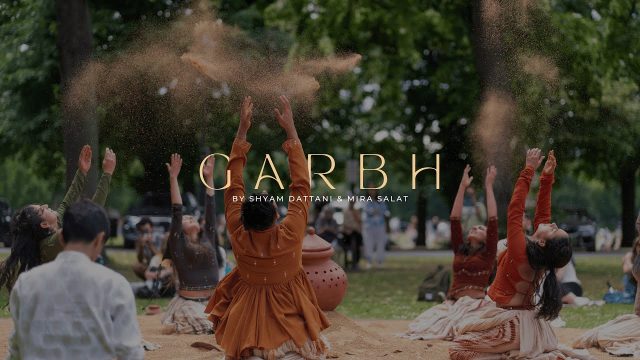
Garbh: Contemporary Reimagining of Gujarati Garba Dance
Video

Garbh: Contemporary Reimagining of Gujarati Garba Dance

Garbh transforms ancient Gujarati Garba through contemporary choreography, creating an immersive outdoor dance experience that brings commun…

Watch →
Garbh: Outdoor Dance Celebrating Shakti Through Gujarati Folk Traditions
Video

Garbh: Outdoor Dance Celebrating Shakti Through Gujarati Folk Traditions

Garbh is an outdoor dance work rooted in Gujarati Garba tradition, celebrating the Feminine Divine through ensemble movement and innovative …

Watch →
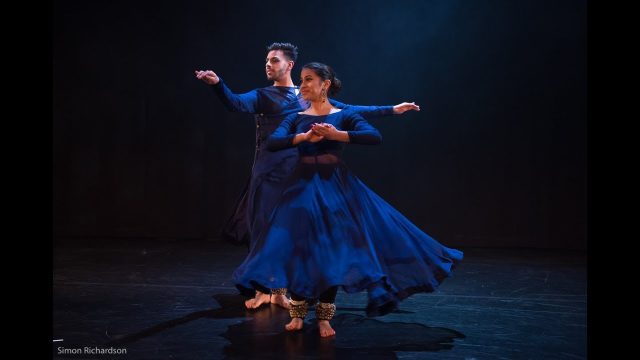
Yamal Kathak Duet: Classical Dance Meets Intricate Rhythm
Video

Yamal Kathak Duet: Classical Dance Meets Intricate Rhythm

A Kathak duet by Shyam Dattani and Ishira Shah showcases the grace, fluidity, and intricate technique of Indian classical dance choreographe…

Watch →
Vedi tuttiStories & Insights→

Connect

Instagram18K followers

About Shyam Dattani

  • For Beginners

    Where to Start with Shyam Dattani: A Beginner's Guide

    3 min read

  • Discography

    Essential Shyam Dattani Albums: A Listening Guide

    1 min read

  • Music

    The Music of Shyam Dattani: Sound, Sacred Texture, and Lineage

    4 min read

  • Biography

    Who Is Shyam Dattani? Life, Work, and Legacy

    4 min read

Domande

Questions

Shyam Dattani is a classical Indian vocalist working across multiple genres within the Indian classical tradition—ghazal, thumrī, and other vocal forms that demand technical precision, emotional subtlety, and deep knowledge of raga and poetic text. What distinguishes Dattani's profile is not a single breakthrough album or widely distributed recording, but rather their commitment to the baithak format: intimate, salon-style performances rooted in how classical Indian music was historically transmitted and experienced. Through the 'Poems of Love' baithak series co-hosted with Aangan Studio London, Dattani has become known among listeners and musicians who value the slow reveal of a raga in close proximity to the performer—the kind of evening where a fifteen-minute thumrī unfolds with the weight of entire emotional architectures. For serious students of Indian classical vocal music, Dattani represents a practitioner who has chosen depth and lineage fidelity over commercial reach, making their work matter to those who specifically seek that trade-off.

Shyam Dattani works within Hindustani classical music, the north Indian classical tradition that emphasizes raga (melodic framework), taal (rhythmic cycle), and improvisational depth. The specific forms Dattani performs—ghazal, thumrī, and other classical Indian vocal music—each have their own histories within this lineage. Thumrī, in particular, is a semi-classical form that emerged from courtly and theatrical contexts and demands both technical mastery of the vocal apparatus and emotional accessibility; ghazal is a poetic-musical form with roots in Persian and Urdu literary traditions, now deeply integrated into Indian classical music practice. The baithak presentation that Dattani centers their work around harkens back to pre-concert-hall ways of experiencing this music—in homes, small intimate spaces, where the relationship between singer, accompanist, and listener creates the frame. Dattani's choice to host and perform in this format signals alignment with historically grounded practice rather than contemporary stage conventions.

The most direct entry point is to attend a 'Poems of Love' baithak session hosted by Shyam Dattani in collaboration with Aangan Studio London, if location permits—the baithak format itself is pedagogical, designed to let listeners absorb the aesthetics of classical Indian vocal music without requiring prior training. If live attendance isn't possible, searching for recorded performances of Dattani singing thumrī would provide a gentler entry than ghazal, since thumrī's shorter forms and more emotionally direct melodic language tend to be more immediately accessible to ears unfamiliar with raga-based music. Newcomers should approach with the understanding that Hindustani classical music rewards deep listening rather than casual background play; a single thumrī performance might span ten to twenty minutes, and the reward lives in following the vocalist's exploration of microtones, ornamental phrases, and emotional coloration within a melodic framework. Looking into Aangan Studio London's broader roster and mission may also provide context for how Dattani's work fits into contemporary presentations of classical Indian music in diaspora settings.

While many classical Indian vocalists perform across multiple forms and work within institutional concert settings, Dattani's specific signature is the deliberate centering of the baithak—a conscious choice to structure performances around intimacy, close listening, and the participatory dynamics that historically characterized how this music circulated. Rather than competing on the concert-hall circuit or pursuing wide Spotify distribution, Dattani has built practice around Aangan Studio London as a collaborating partner, anchoring 'Poems of Love' as an ongoing series rather than a one-off event. This reflects a different artistic philosophy: that the vessel—the intimate room, the repeated gathering, the slow building of audience familiarity—matters as much as the technical mastery of raga and thumrī. Dattani's commitment to this format distinguishes them from classical Indian vocalists whose primary ambition is repertoire showcase or technical virtuosity displayed in front of large audiences. For listeners tired of the concert-hall experience of Indian classical music, or those seeking to understand how this music functioned in non-institutional, non-colonial spaces, Dattani's approach offers a meaningful alternative.

Shyam Dattani's work is not suited for listeners seeking short-form, high-energy, or rhythmically propulsive music; a classical Indian vocal performance of thumrī or ghazal demands patience, comfort with unfamiliar melodic systems (ragas), and willingness to sit with subtle emotional registers over extended durations. The baithak format, while its strength, is also geographically limiting—if you're not in London or within range of Aangan Studio London's events, access to Dattani's work becomes dependent on recorded performances or travel. Those approaching Indian classical music as a wellness modality—seeking 'calming' or 'meditative' background music—may find themselves frustrated by the complexity and dramatic range that classical Indian vocal music actually contains; thumrī and ghazal are not spa music. Additionally, listeners accustomed to studio production, electronic elements, or fusion approaches to Indian classical music may find the unaccompanied or traditionally accompanied vocal approach austere. This is not a limitation of Dattani's work—it's clarity about who the work is for: listeners and musicians committed to understanding Indian classical vocal traditions on their own terms, not as a means to another end.

The primary venue for experiencing Shyam Dattani's live work is through the 'Poems of Love' baithak series in collaboration with Aangan Studio London, which operates out of London and represents an ongoing commitment to regular intimate presentations rather than one-off concert appearances. Aangan Studio London serves as the institutional anchor for this work, and checking their event calendar and social media channels is the most reliable way to stay informed about upcoming baithak dates, times, and any guest collaborators. The baithak format typically accommodates smaller numbers of listeners in a carefully designed intimate space, which means advance notice and registration may be required. Beyond the 'Poems of Love' series, information about Dattani's other live appearances—whether guest performances at other venues, festival participation, or retreat settings—would be most reliably found through direct contact with Aangan Studio London or through Dattani's own social media presence (particularly Instagram, which Dattani uses to share performance information and announcements).

A baithak, in historical and contemporary practice, is structured around proximity and conversational flow rather than stage separation; listeners sit in a room close enough to hear the vocalist's breath, the harmonium's texture, and any subtle vocal ornaments that would be lost in a large auditorium. The 'Poems of Love' series curated by Shyam Dattani likely emphasizes this intimacy while creating an evening around thematic coherence—the title itself suggests that ragas, ghazals, and thumrīs performed will explore emotional and poetic registers of love, desire, and longing. Unlike a formal concert recital with a predetermined setlist and strict timing, a baithak often has a more organic flow, with the vocalist responding to the energy of the specific room and audience; a thumrī might extend longer one evening, a particular raga might be explored deeper another night. The baithak format also traditionally involved some level of exchange—artists and knowledgeable listeners would interact, request particular ragas or poems, creating a participatory quality absent from the one-directional stage model. Attending a Dattani baithak means entering into this historical form of musical presentation while experiencing the technical mastery of classical Indian vocal music.

Classical Indian vocal music, across ghazal and thumrī, typically employs the harmonium as the primary accompanying instrument—a keyboard instrument that provides melodic reference, rhythmic grounding, and harmonic color while the vocalist improvises and explores the raga framework. In baithak settings, the harmonium is often the sole accompaniment, which places the vocalist in sharp relief and emphasizes the vocal line itself. Some classical Indian vocal performances also include tabla (North Indian hand drums) to anchor and develop the rhythmic cycle (taal), though this varies depending on the specific form and the evening's artistic choices; a thumrī might employ tabla, while a ghazal session might not. The specific instrumentation and accompanist(s) collaborating with Dattani would be most reliably learned by consulting the 'Poems of Love' baithak series announcements or contacting Aangan Studio London directly, as these details often shift based on repertoire, available musicians, and the particular aesthetic vision for each evening. What matters most in the baithak context is that accompaniment remains subordinate to the vocalist's exploration—the focus is always on the voice, the raga, and the poetry.

Based on available information, Shyam Dattani does not currently have a presence on major streaming platforms like Spotify or Apple Music with released albums or extensive recorded catalogue. This is not uncommon for classical Indian vocalists working primarily in the baithak tradition, where the emphasis is on live presentation and the evolving, improvisational nature of the performance rather than fixed studio recordings. The most direct way to encounter Dattani's voice and work is to attend a 'Poems of Love' baithak in person, which offers the full experience of the music in its intended context. For those unable to attend live events, checking Aangan Studio London's social media channels, YouTube, or other platforms where they might share recordings or clips from past baithak sessions is worth exploring. Some classical Indian vocal artists also maintain private or limited-circulation recordings for serious students; if you're interested in studying Dattani's work more deeply, direct inquiry through Aangan Studio London or social media may yield access to recorded performances not widely distributed.

Shyam Dattani works across three primary classical Indian vocal forms: ghazal, thumrī, and other classical Indian vocal traditions. Thumrī is a semi-classical form characterized by shorter melodic phrases, emotional directness, and engagement with Urdu and Hindi poetry; a thumrī performance typically lasts ten to twenty minutes and emphasizes the vocalist's ability to convey feeling through ornamentation, dynamic range, and subtle vocal coloration. Ghazal is a poetic-musical form with roots in Persian and Urdu literary traditions, structured around rhyming couplets (called shers) and built for both lyrical sophistication and melodic exploration; a ghazal performance requires the vocalist to balance the weight of the poetic text with musical improvisation. The broader category of 'classical Indian vocal music' encompasses forms like dhrupad, khayal, and others that operate within the raga system—melodic frameworks that define which notes may be used and suggest emotional and temporal associations. The distinction matters: thumrī is more accessible to newcomers, ghazal rewards poetic literacy, and the classical forms demand patience with extended improvisational exploration. Dattani's work across these forms suggests both technical mastery and an interest in reaching listeners at different points of entry.

Sei tu? Rivendica questa pagina ›

There's more where this came from.

BrightStar is the global directory of artists, teachers, and healers in the wellness and spiritual movement. Find your next experience — or add yourself.

Discover More Artists

Browse 14,000+ curated profiles across kirtan, yoga, meditation, and beyond.

Explore directory →

Find an Event Near You

Kirtan, retreats, sound baths, breathwork, ceremonies — happening this week.

Browse events →

Add Your Profile

Are you an artist, teacher, or healer? Get listed — free, AI-assisted, live in minutes.

Get started →