
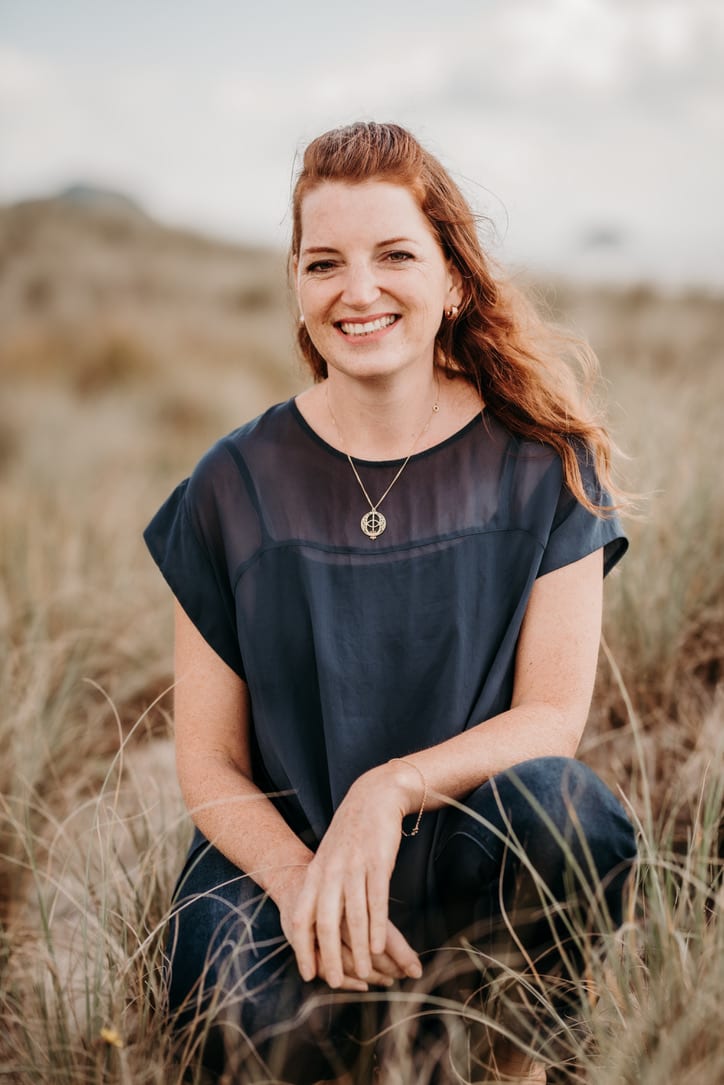
Muriel Christonai
Musician
Chi è
Muriel Christonai, known as The Deva Diva, is a musician, essence maker and bridge-builder between the human heart and the living resonance of Nature. She works through acoustic soundscapes, vocal incantation and master plant essences, with the aim of quieting internal noise and deepening our direct relationship with Life.
Muriel Christonai, known as The Deva Diva, is a musician, essence maker and bridge-builder between the human heart and the living resonance of Nature. She works through acoustic soundscapes, vocal incantation and master plant essences, with the aim of quieting internal noise and deepening our direct relationship with Life.
Her music blends meditative vocals with piano, harp, shruti box, Native American flute and crystal bowls. She describes it as a field of resonance, both ethereal and deeply embodied. Her website cites over thirty years of meditation practice and postgraduate study in the healing power of sound. Her approach draws on frequency, entrainment and nervous system regulation.
Born in Europe, Muriel began her inquiry as a teenager, following a thread of Spirit across continents. She spent over a decade in Glastonbury, UK, where she co-founded the Chalice Well Essences and released her debut album Angelica. She toured with author Neale Donald Walsch, headlining spiritual gatherings across Europe, and sang for Hay House, Amma and others in London. Walsch has called her music "a bit of Heaven on Earth."
In 2014 she returned to Aotearoa New Zealand. She earned a Healthcare Musician qualification and a Master's Degree in Healing Music. The albums Alcyone and A Soft Place to Fall came from that period. She now lives in rural Bay of Plenty with her family. From her home studio she creates meditative music, crafts the Deva Diva Master Plant Essences, and hosts attunement experiences. These are designed to help people sense and work consciously with the subtle intelligence of plants and the Earth.
Her work rests on sanctity, sovereignty and unity. She offers it as an invitation to slow down, soften and listen again.
Domande
Questions
Muriel Christonai, who performs as The Deva Diva, is a New Zealand-based musician, Meditation Teacher and essence maker whose work sits where sound and plant medicine meet. Her website cites over thirty years of meditation practice and postgraduate study in the healing power of sound. Her output comes in three strands that feed each other: acoustic soundscapes built on meditative vocals, the Deva Diva Master Plant Essences crafted from her home studio, and attunement experiences meant to help people sense the subtle intelligence of plants and the Earth. Listeners who follow her tend to value the restraint of the work, since it asks for slow listening rather than delivering a hook. Her earlier years in Glastonbury, UK, where she co-founded Chalice Well Essences and released the debut album Angelica, gave her a foothold in European spiritual circles. Touring with author Neale Donald Walsch added headline appearances at gatherings across Europe. Her stated aim, quieting internal noise and deepening our direct relationship with Life, is specific enough that a listener can judge for themselves whether it lands.
No named spiritual lineage is spelled out in the profile data, so the most honest starting point is the vocabulary she uses. The word deva comes from Sanskrit and refers to a shining or divine being, and her stage name signals a belief in nature intelligence rather than a single guru line. Her essence work is rooted in the Glastonbury setting, where she co-founded Chalice Well Essences, a site long associated with sacred water and esoteric study. Her sound practice draws on frequency, entrainment and nervous system regulation, which places it within the modern tradition of therapeutic and healing music rather than devotional chant. Her clearest documented training is a Healthcare Musician qualification and a Master's Degree in Healing Music, which anchors the work in a formal academic path. Readers looking for a traditional teacher-to-student transmission will not find one spelled out here, so it is better to judge the work on its own framing.
A complete newcomer is best served by Angelica, her debut album, released during her Glastonbury years, because it introduces the core pairing of meditative vocals and instruments. Alcyone and A Soft Place to Fall, both from her return to Aotearoa New Zealand, are the natural next step for listeners who want to hear how her sound developed after her Healing Music studies. Listen to one album in a single session rather than shuffling tracks, since the material depends on slow accumulation. If the music lands, the Deva Diva attunement experiences offer a second entry point, though they assume some openness to working with plant and Earth intelligence. The Spotify and YouTube catalogues are the easiest free places to sample before committing to a purchase. Listeners who want a structured teaching path rather than a sound-first introduction should know that the public materials emphasise the essences and attunements more than formal courses.
Many meditation musicians rely on a single drone or a singing bowl, but Muriel Christonai layers meditative vocals over piano, harp, shruti box, Native American flute and crystal bowls, which gives her work a wider timbral range than much of the genre. The distinctive element is that the music is not separate from the plant medicine; the same person writes the soundscapes, crafts the Deva Diva Master Plant Essences and hosts attunements, so the sound is framed as one part of a relationship with Nature. Her own description, a field of resonance that is both ethereal and deeply embodied, is a more useful guide than generic healing-music labels. The shruti box, a drone instrument rooted in Indian classical practice, supplies a harmonic floor that many Western ambient records lack. Her framing in frequency, entrainment and nervous system regulation separates her from artists who work purely intuitively. Compared with a purely devotional chant singer, she is less focused on a single sung text and more interested in the body's response to resonance.
Her work is not for listeners seeking high-BPM electronic music, rhythmic dance, or songs built around verse and chorus. The pacing is slow and the sound is sparse, so people who want background music to stay alert while working will likely find it static or sleepy. Sceptics of plant intelligence will find the attunement experiences and Master Plant Essences hard to take on their own terms, and the language around sanctity, sovereignty and unity may read as more devotional than they want. Listeners who need a clear structured curriculum will find less of that here than in a formal teacher's program. Because her Spotify catalogue has a small footprint, with about 100 followers and a popularity score of zero, listeners who expect a large back catalogue and frequent releases may find less to keep them returning. The music is best suited to people who already set aside time for stillness.
As of this crawl, no upcoming events are listed for Muriel Christonai, so the most reliable channel is her official website, murielchristonai.com, where tours and attunement dates are posted directly. Her music is released on Spotify, Apple Music and YouTube, and following her profile on those platforms will surface new albums when they appear. Because she works from a home studio in rural Bay of Plenty, live attunement dates may be announced with less lead time than a touring act's schedule, so checking the site before planning travel is wise. Her past touring history, including headline appearances at spiritual gatherings across Europe with Neale Donald Walsch, shows she has travelled for live work before, but no current travel plans are confirmed in the data. Check back here as event listings are added. Anyone planning to attend should confirm details directly with the artist before booking.
Her music is built from acoustic soundscapes in which meditative vocals sit over piano, harp, shruti box, Native American flute and crystal bowls. On a first listen the arrangement feels slow and sparse, with a clean, unhurried voice rather than ornamented melody, and the drone instruments hold the harmonic space open. Pacing follows the breath more than melodic development, so phrases are long and the silences between them do part of the work. Muriel describes the result as a field of resonance, both ethereal and deeply embodied, which fits a sound that feels more like a room than a song. Restraint is the defining aesthetic choice, so listeners expecting dynamic builds or a rising climax will be disappointed. The harp and flute add warmth that keeps the ambient material from becoming purely atmospheric.
The catalogue in the profile data names three albums: Angelica, her debut released during her Glastonbury years, Alcyone, and A Soft Place to Fall, the latter two from the period after her 2014 return to Aotearoa New Zealand. Angelica is the place to hear her earliest pairing of vocals and instruments, while Alcyone and A Soft Place to Fall show the sound after her Healthcare Musician qualification and Master's Degree in Healing Music. If you only buy one, choose by intent: Angelica for an introduction, A Soft Place to Fall for a more sustained listening session, though that is a judgement rather than a consensus. The data does not include chart positions, track listings or producer credits, so claims beyond these titles would be guesswork. Her Spotify audience is small, so these records remain niche rather than mainstream. Listening to each album front to back tends to reward the patience the work asks for.
The most specific information in her public materials is the instrumentation: piano, harp, shruti box, Native American flute and crystal bowls, alongside her own meditative vocals. The shruti box sustains a drone that holds the harmonic floor, and the crystal bowls add overtones that blur the edges of each phrase. Her piano and harp lines give the arrangements melodic motion without pushing the tempo. The profile data does not name session musicians, producers or studio engineers, so readers should not assume any particular collaborator without a credit listing. Her most documented associations are with Neale Donald Walsch, whose tour she joined, and with the Hay House and Amma events in London where she sang. Those were performing roles rather than recorded partnerships, which matters if you are tracing studio credits. Much of her production appears to happen from her home studio in rural Bay of Plenty.
Her teaching is experiential rather than lecture-based, and the public materials frame her attunement experiences as invitations to sense plant and Earth intelligence rather than as lessons in a fixed method. Based on the description of her practice, sessions centre on her meditative vocals and sound, followed by guided listening that asks participants to slow down. Her stated approach draws on frequency, entrainment and nervous system regulation, so the emphasis is likely to fall on bodily response rather than doctrine. The profile data does not describe group size, duration or pricing, so readers should contact her through murielchristonai.com for specifics. Her grounding in over thirty years of meditation practice and postgraduate study in the healing power of sound gives the teaching a long-practice character. Students who expect a curriculum with homework and graded progression will find something different, more focused on listening than on mastering technique.





Sei tu? Rivendica questa pagina ›
There's more where this came from.
BrightStar is the global directory of artists, teachers, and healers in the wellness and spiritual movement. Find your next experience — or add yourself.
Discover More Artists
Browse 14,000+ curated profiles across kirtan, yoga, meditation, and beyond.
Explore directory →Find an Event Near You
Kirtan, retreats, sound baths, breathwork, ceremonies — happening this week.
Browse events →Add Your Profile
Are you an artist, teacher, or healer? Get listed — free, AI-assisted, live in minutes.
Get started →