Mind Like Water
Sound Therapist
Chi è
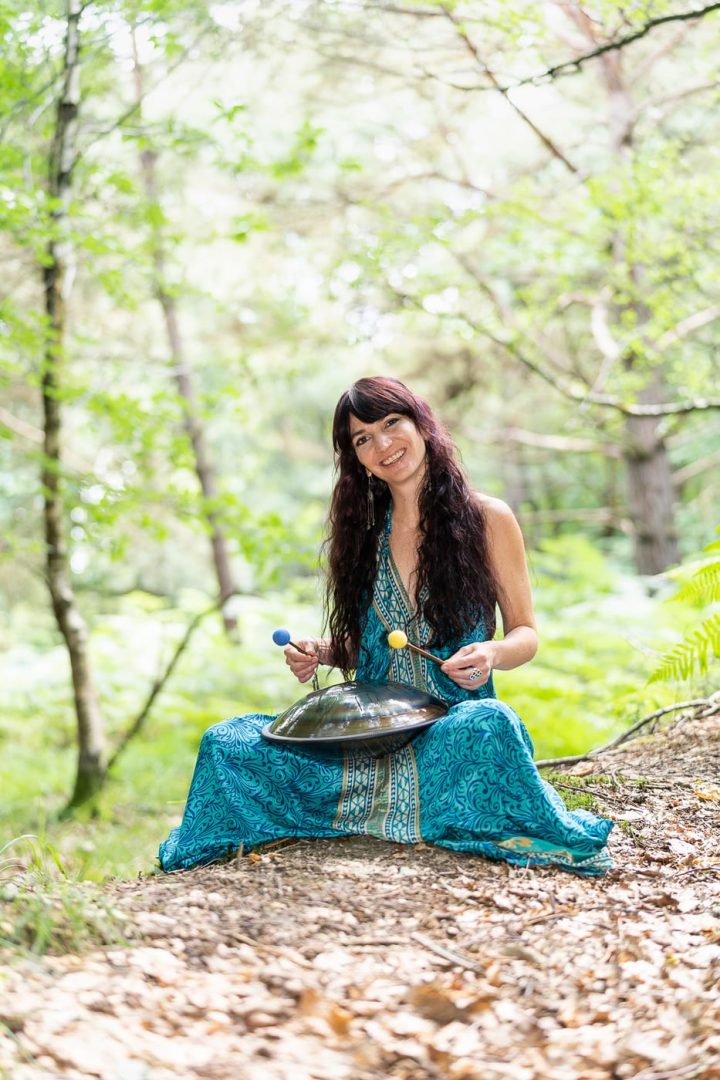
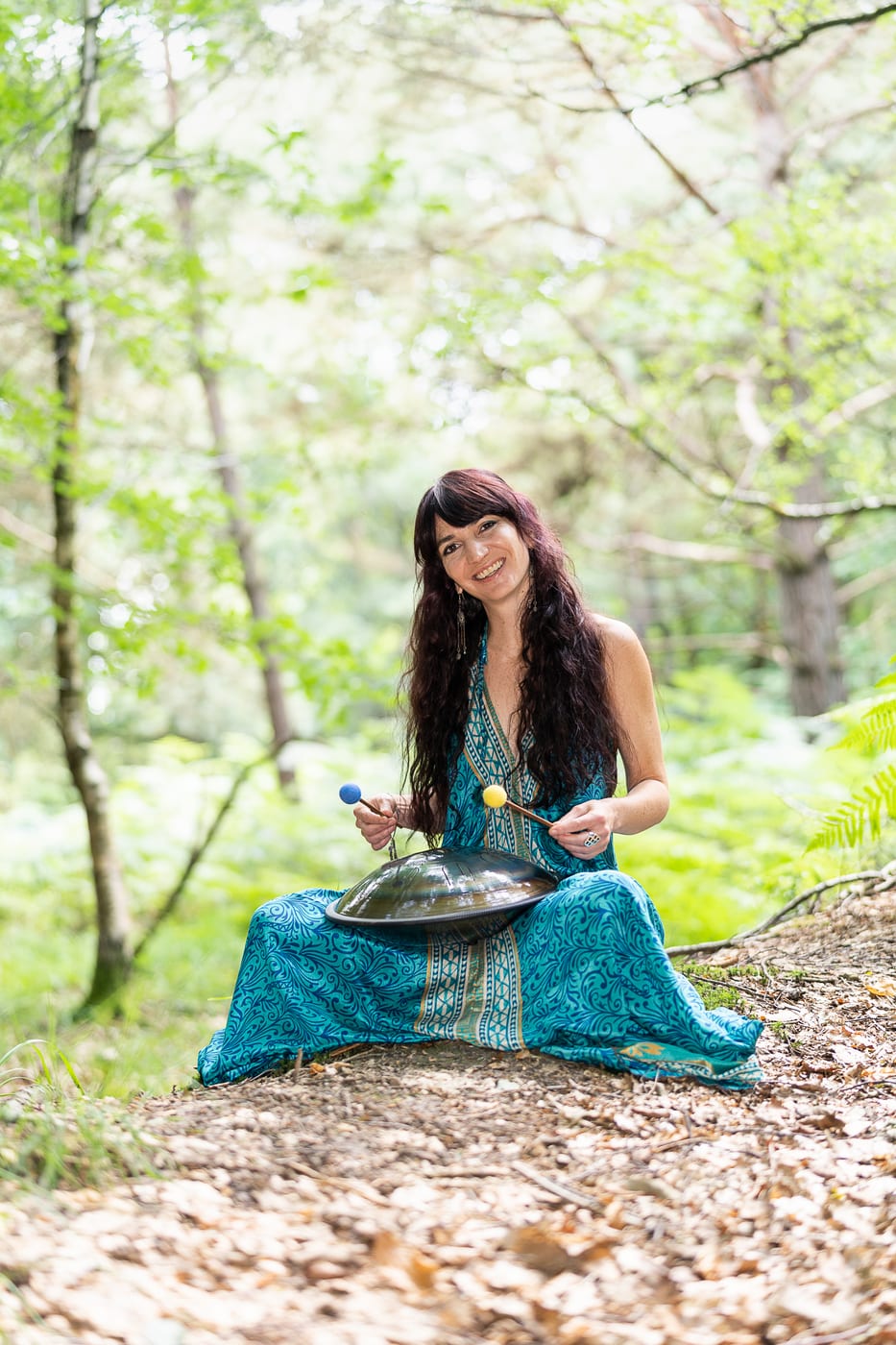
Mind Like Water is the practice of Michelle Cade, a South African-born sound therapist, Ayurvedic massage therapist, music producer and artist who specialises in immersive, nourishing and relaxing experiences. The name comes from "mizu no kokoro", a Japanese phrase found frequently in Zen literature that describes a state of mind mirroring water's flowing, reflective and adaptive qualities.
Mind Like Water is the practice of Michelle Cade, a South African-born sound therapist, Ayurvedic massage therapist, music producer and artist who specialises in immersive, nourishing and relaxing experiences. The name comes from "mizu no kokoro", a Japanese phrase found frequently in Zen literature that describes a state of mind mirroring water's flowing, reflective and adaptive qualities.
Her holistic approach blends sound, scent, mindfulness and NLP, and her work is compelled by the science of sound and frequency. Fascinated by the connection between sound, movement and nature, she explores how music has played a part in ritual, in raising consciousness and in inducing altered states for thousands of years. Informed by traditional cultures and techniques, she is guided by modern research, authentic practice and intuition. The signature Mind Like Water treatment is Ayurvedic Sound Massage combined with Sound Therapy, which The Guardian has featured.
Michelle combines binaural and monaural beats, specific frequencies such as the Schumann Resonance, sounds of nature, and instruments including Tibetan and crystal singing bowls, gong, tuning forks, monochord, steel tongue drum and voice. She offers massage, sound therapy and group sound meditations from her studio in North East London, The Seven Sisters Sanctuary. She has appeared at Balance Festival, Wanderlust, Mind Body Spirit and World Meditation Day, and works with the Regency Training Foundation, offering sound and massage treatments to vulnerable adults and people with learning disabilities.
She also releases music as Mind Like Water Music, combining binaural beats and carefully crafted frequencies, including her voice, for breathwork, meditation, yoga and wellbeing platforms. Her background is in underground electronic music production, DJing and vocals, released under her own name, Michelle Cade. Her music can also be heard on the Meya app.
Michelle trained in Sound Therapy with Michele Averard and Nestor Kornblum of Harmonic Sounds in Spain, and in massage therapy with the Ayurvedic Yoga Massage Institute in Bali. She continued in London with Dr Anil Alexander, founder of Soukia Ayurveda Healing Sparsh, and is currently training in Vibrational Retraining Sound Therapy with Elaine Thompson of Sound Therapy UK.
Domande
Questions
Mind Like Water is the practice of Michelle Cade, a South African-born sound therapist, Ayurvedic massage therapist and music producer who works from The Seven Sisters Sanctuary in North East London. The name comes from 'mizu no kokoro,' a Japanese phrase that recurs in Zen literature and describes a mind that flows, reflects and adapts like water. The signature offering is Ayurvedic Sound Massage combined with Sound Therapy, a treatment The Guardian has featured. Interest tends to come from people who want bodywork, frequency science and recorded music handled by one practitioner rather than three separate specialists. Her background is in underground electronic music production, DJing and vocals, released under her own name, Michelle Cade, so the recorded work carries a clubbing ear that most wellness sound practitioners do not have. The premise of the practice is that music has shaped ritual and altered states for thousands of years, and both the treatments and the releases draw on that thread. The limitation is that the practice spans several disciplines, so a listener looking only for background music or only for a massage may find the blend more than they need.
Mind Like Water's work sits across three strands: Ayurveda, modern sound therapy, and the older ritual uses of music in traditional cultures. Michelle trained in sound therapy with Michele Averard and Nestor Kornblum of Harmonic Sounds in Spain, and in massage therapy with the Ayurvedic Yoga Massage Institute in Bali. She continued in London with Dr Anil Alexander, founder of Soukia Ayurveda Healing Sparsh, and is currently training in Vibrational Retraining Sound Therapy with Elaine Thompson of Sound Therapy UK. The stated method is to be guided by modern research, authentic practice and intuition, so the frequency work, including binaural beats, the Schumann Resonance and singing bowls, is layered onto Ayurvedic touch rather than replacing it. The Zen-derived name signals a sensibility, but the practice does not claim a Zen lineage, and it is worth separating those two things when reading about it. Anyone expecting a single guru line or a sealed sectarian tradition will find instead a set of teachers across Spain, Bali and London plus ongoing training. No long-form article on the lineage is currently indexed on BrightStar.
The most direct entry point is a treatment or group sound meditation, since the live session is the core of the practice and the recordings are built to extend it. Sessions combine massage, sound therapy and singing bowls, gong, tuning forks and voice, so the room sound does most of the work. For listening at home, the Mind Like Water Music releases are made for breathwork, meditation and yoga, which means they are best used with a specific intention rather than as background noise. The catalogue is available through the Spotify and YouTube channels linked from the profile, and some of the material is also on the Meya app. No individual album or track titles are verified in the data for this profile, so newcomers should check those channels directly to see which releases are current. A practical first step is to attend one group sound meditation before committing to a full Ayurvedic Sound Massage, since the two experiences differ considerably in physical intensity and intimacy. Someone who only wants recorded music may find the live treatment model less useful than the platform releases.
The distinctive element is that Mind Like Water joins hands-on Ayurvedic massage to sound therapy in a single signature treatment, rather than offering sound as an add-on to a spa menu. Most sound therapists work only with instruments, and most massage therapists treat sound as ambient atmosphere, so the integration here is less common. The frequency palette is unusually wide, running from binaural and monaural beats and the Schumann Resonance to Tibetan and crystal singing bowls, monochord, steel tongue drum and the practitioner's own voice. The recorded side adds a second distinction, since the music is produced by someone trained in underground electronic music, DJing and vocals, which gives the releases a structure closer to production than to typical healing-music albums. The methodology is also explicitly research-informed, citing the science of sound and frequency alongside traditional techniques, which separates it from practices that rely only on inherited authority. The trade-off is that a hybrid practice is harder to categorize, and a listener who wants a purist single-modality approach may find it diffuse. Its appearances at Balance Festival, Wanderlust, Mind Body Spirit and World Meditation Day place it in the modern wellness circuit rather than a closed devotional scene.
The work is not aimed at listeners who want high-BPM electronic music, driving rhythm or anything that works as a workout soundtrack, even though the producer's background is in underground electronic and club music. The releases are built around binaural beats and sustained frequencies for breathwork and meditation, so people expecting melodic songs with verses and choruses will find them sparse. Anyone uncomfortable with physical contact should not book the Ayurvedic Sound Massage, since the treatment is a hands-on massage combined with sound. Binaural beats are designed to be heard through headphones, so listeners using speakers will lose much of the intended effect. People who need complete silence or who find deep-tone vibration distressing may also find the group sound meditations overwhelming. The practice is also not a substitute for medical care, and its framing around wellbeing means clinical claims should be checked independently. Those who value a strict, unbroken lineage may find the multi-teacher training record more eclectic than they prefer.
The most reliable starting point is the official website, mindlikewaterwellbeing.com, which carries the treatment information and links to the studio and music channels. Releases can be followed on Spotify and YouTube, using the artist pages linked from the profile, where new frequency-based tracks for breathwork, meditation and yoga tend to appear. The music is also distributed to wellbeing platforms, including the Meya app, so listeners who use those services may encounter new material there first. For live appearances, the practice has previously appeared at Balance Festival, Wanderlust, Mind Body Spirit and World Meditation Day, and those event organizers are the places to watch for future bookings. No upcoming events have been crawled for this profile at this time, so the calendar on BrightStar may not yet reflect current dates. The studio in North East London, The Seven Sisters Sanctuary, is the fixed point for regular treatments and group sound meditations. Treat any announced travel dates as the most current source, since festival appearances and studio schedules can change.
The music is best described as frequency-based sound design rather than song-form music, combining binaural and monaural beats, carefully crafted tones and natural sound with the artist's own voice. The instrument palette, drawn from the live practice, includes Tibetan and crystal singing bowls, gong, tuning forks, monochord, steel tongue drum and voice. The voice appears as part of the composition rather than as a lead vocal over a beat, so it reads closer to a texture than a melody. Pacing is slow and built for breathwork and meditation, which points to sustained tones and gradual change over rhythmic drive. Those with a background in electronic production may hear the layering and the attention to frequency relationships, though the surface is restrained rather than dance-oriented. The sound is not for listeners expecting hooks or a verse-chorus structure, and the first listen can feel static before the textures open up. The aesthetic is closer to sparse, deliberate sound than to dense ambient production.
The documented instrument set includes Tibetan and crystal singing bowls, gong, tuning forks, monochord, steel tongue drum and voice, alongside binaural and monaural beats and recorded sounds of nature. Frequencies such as the Schumann Resonance are part of the palette, which places the work closer to frequency science than to conventional instrumentation. The practitioner herself performs and produces the material, so the core creative partnership is with her own voice and technical work. On the professional side, the practice works with the Regency Training Foundation, offering sound and massage treatments to vulnerable adults and people with learning disabilities. Her training teachers, including Michele Averard and Nestor Kornblum of Harmonic Sounds, Dr Anil Alexander and Elaine Thompson, are formative figures rather than recording collaborators. No named musical co-producers or session musicians are listed in the data, so claims about additional studio partners should be treated with caution. The Meya app serves as a distribution partner for the music.
The releases are explicitly made for breathwork, meditation, yoga and wellbeing platforms, so the catalogue is oriented toward practice rather than performance or listening for its own sake. The combination of binaural beats and sustained frequencies suits meditation and breathwork, where a steady tonal bed supports attention without demanding it. For yoga, the sound works best during savasana or the closing stillness, since the pacing is slow and the textures do not build toward a peak. Ceremony use is less documented in the material available, although the practice's stated interest in music's role in ritual and altered states gives it a natural fit. No specific track titles are verified in the data, so listeners should check the Spotify and YouTube channels for the current releases and their stated purposes. The main caveat is that frequency-based tracks are an unusual format for some practitioners, and a first listen with headphones can be disorienting. The music is not designed for a class that needs a rhythmic or energetic arc.
The teaching style is experiential rather than lecture-based, with the practitioner guiding participants through sound, touch and attention rather than explaining theory at length. Group sound meditations at The Seven Sisters Sanctuary in North East London use instruments such as singing bowls, gong and tuning forks to shape the room, and the sound tends to be the primary instruction. The Ayurvedic Sound Massage is a one-to-one session in which hands-on massage is combined with sound therapy, so the physical and auditory experiences are intended to run together. Participants should expect the vibrational quality of the instruments to be felt as much as heard, particularly with gong and monochord. The emphasis on scent and mindfulness in the wider holistic approach suggests the sessions are designed as multisensory rather than purely auditory. The format suits people who prefer to learn by experience and may frustrate those who want a structured curriculum or written method. Sessions are not described as lectures, so anyone seeking doctrinal teaching will find this an unfamiliar model.



Sei tu? Rivendica questa pagina ›
There's more where this came from.
BrightStar is the global directory of artists, teachers, and healers in the wellness and spiritual movement. Find your next experience — or add yourself.
Discover More Artists
Browse 14,000+ curated profiles across kirtan, yoga, meditation, and beyond.
Explore directory →Find an Event Near You
Kirtan, retreats, sound baths, breathwork, ceremonies — happening this week.
Browse events →Add Your Profile
Are you an artist, teacher, or healer? Get listed — free, AI-assisted, live in minutes.
Get started →