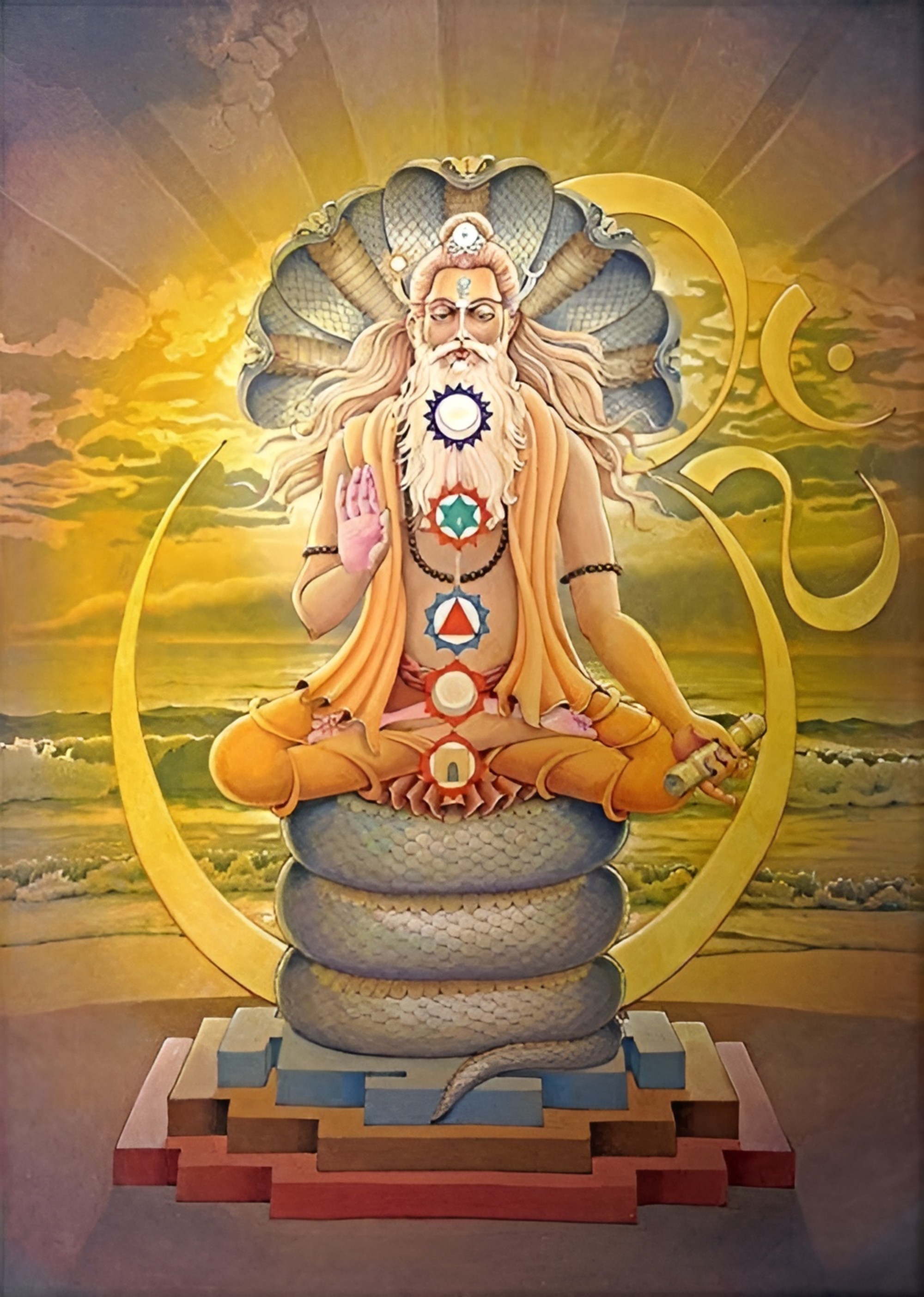
The Illuminating Essence of a Purified Mind
Patanjali's assertion that "the mind purified is itself the lamp" invites us to consider the profound relationship between mental clarity and spiritual illumination. In this statement, the mind is not merely a vessel of thoughts but a source of light that can guide us through the complexities of existence. This concept is vital, as it emphasizes the transformative power of purification, suggesting that when we cleanse our minds of distractions and impurities, we become conduits of wisdom and insight. The stakes are high; in a world filled with noise and confusion, the clarity of our minds can illuminate our paths and the paths of others.
Delving deeper, we recognize that the notion of purification is not merely about the absence of negativity but the active cultivation of positive qualities such as compassion, awareness, and understanding. Patanjali, through his Yoga Sutras, presents a framework for achieving this purification, which is essential for realizing our true nature. The mind, when purified, transcends its limitations and becomes a beacon of light, capable of revealing deeper truths about ourselves and the universe. This journey toward purification is not only a personal endeavor but a collective one, as each individual's clarity contributes to the greater illumination of humanity.
The image / the metaphor
The imagery of a lamp conjures feelings of warmth, safety, and guidance. A lamp, in its essence, dispels darkness, allowing us to see clearly and navigate our surroundings. Patanjali's choice of words highlights the active role of the mind in this process; it is not merely a passive observer but an active participant in the illumination of our lives. The verb "purified" suggests a dynamic process, one that requires intention and effort. This purification is akin to cleaning a dusty lamp, allowing its light to shine forth unimpeded, illuminating not just our own path but also the paths of those around us.
Going deeper into the metaphor, we can consider the qualities of light itself. Light is often associated with knowledge, awareness, and truth. When the mind is purified, it becomes a vessel for these qualities, allowing us to perceive reality more clearly. In this sense, the lamp symbolizes not just personal insight but also the potential for enlightenment that resides within each of us. The act of purification, therefore, is not merely a personal journey but a universal call to awaken the inherent light within, fostering a deeper connection to ourselves and the world.
In the speaker's tradition
Patanjali's teachings are rooted in the ancient tradition of yoga, which encompasses a holistic approach to life, emphasizing the interconnectedness of body, mind, and spirit. The concept of purification aligns closely with the idea of dharma, or living in accordance with one's true nature and purpose. In this context, purification is not just about mental clarity but also about aligning oneself with the greater cosmic order. This journey often involves practices such as meditation, self-discipline, and ethical living, which serve to refine the mind and spirit, allowing the inner light to shine more brightly.
Moreover, the notion of a purified mind resonates with the Buddhist concept of sunyata, or emptiness, which suggests that by letting go of attachments and preconceived notions, one can experience a profound clarity of perception. In the Yoga Sutras, Patanjali emphasizes the importance of stilling the fluctuations of the mind (vrittis) to achieve this clarity. The practice of meditation, as outlined in the Sutras, serves as a means to cultivate this stillness, allowing the practitioner to experience the light of awareness that emerges from a purified mind.
Living the teaching
Consider a modern scenario where this teaching can be applied: a busy professional overwhelmed by the demands of work and life. In such a situation, the mind may become cluttered with stress, anxiety, and distractions, obscuring one's ability to think clearly and make sound decisions. By engaging in practices that promote mental purification—such as mindfulness meditation, journaling, or even a simple walk in nature—this individual can begin to clear the mental fog. As the mind becomes more purified, it transforms into a lamp, illuminating the path forward and allowing for greater clarity in both personal and professional life.
In the realm of relationships, the teaching of a purified mind can also have profound implications. Imagine a moment of conflict between partners, where misunderstandings and emotional reactions cloud communication. By taking a step back and engaging in practices that foster mental clarity—such as deep breathing or reflective listening—each partner can purify their thoughts and emotions. This purification allows them to approach the situation with compassion and understanding, transforming the interaction from one of discord to one of connection and healing. In these moments, the purified mind truly becomes a lamp, guiding both individuals toward resolution and deeper intimacy.
A reflection
As we contemplate Patanjali's profound statement, we are invited to reflect on our own minds and the clarity we bring to our lives. What practices can we engage in to purify our thoughts and emotions, allowing our inner light to shine more brightly? In a world that often feels chaotic and overwhelming, how can we cultivate a sense of peace and clarity that not only benefits ourselves but also those around us? These questions serve as a gentle reminder of the transformative power of a purified mind, encouraging us to embark on our own journeys of illumination.


