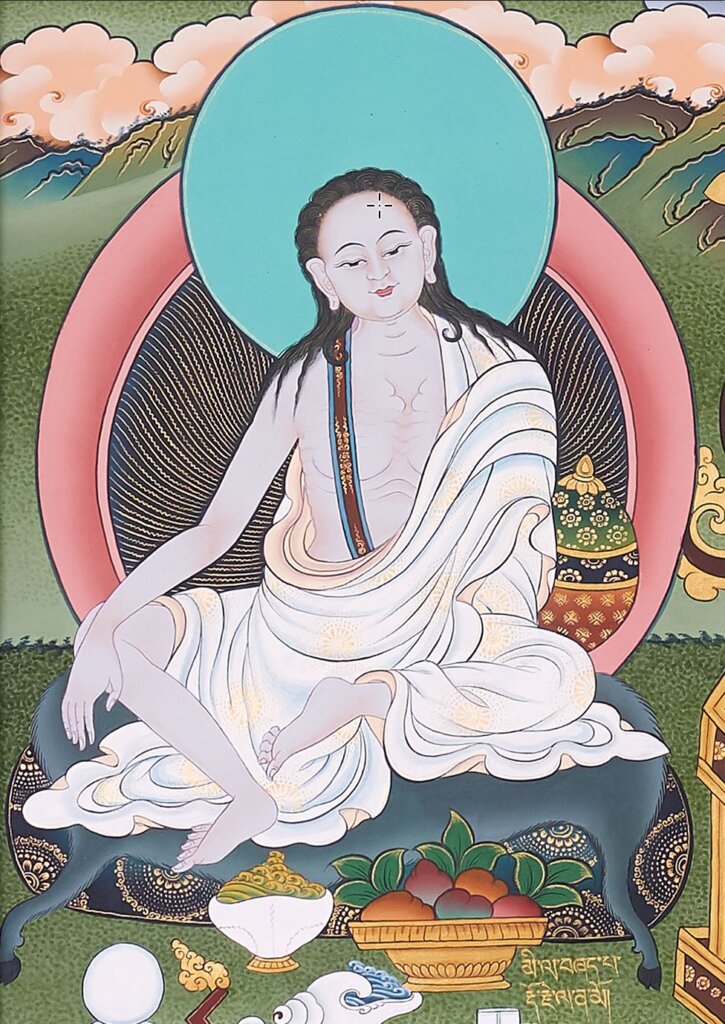
Milarepa's assertion that "Pain is the great teacher; do not flee from it" invites us to reconsider our relationship with suffering. In a culture that often prioritizes comfort and avoidance, this profound statement challenges us to confront our pain as a source of insight and growth. The stakes are high; by embracing pain, we open ourselves to transformative experiences that can lead to deeper understanding and compassion, both for ourselves and others.
To truly grasp the essence of this teaching, we must recognize that pain is not merely an obstacle to be overcome but a vital component of our spiritual journey. Milarepa, a revered figure in Tibetan Buddhism, lived a life marked by profound suffering and eventual enlightenment. His words remind us that pain, when approached with mindfulness and acceptance, can illuminate the path toward wisdom and liberation. This perspective invites us to cultivate resilience and to see our struggles as opportunities for learning rather than as burdens to bear.
The image / the metaphor
The imagery in Milarepa's quote evokes a sense of confrontation and acceptance. The verb "flee" suggests a natural instinct to escape discomfort, yet the call to remain present with pain transforms it into a teacher rather than a tormentor. This duality of pain as both a challenge and a guide encapsulates the essence of the human experience, where suffering often precedes growth. The metaphor of pain as a teacher implies that within our struggles lies the potential for profound insights, urging us to lean into our discomfort rather than shy away from it.
Diving deeper into this metaphor, we can see pain as a catalyst for transformation. Just as a sculptor chisels away at stone to reveal a masterpiece, our experiences of pain can carve away the layers of ignorance and attachment that obscure our true selves. This process of refinement is not easy; it requires courage and vulnerability. Yet, by embracing our pain, we allow it to shape us into more compassionate and wise beings, capable of understanding the suffering of others and fostering a sense of interconnectedness.
In the speaker's tradition
Milarepa's teachings are deeply rooted in the principles of Tibetan Buddhism, where the concepts of suffering and enlightenment are intricately linked. Central to this tradition is the notion of dukkha, often translated as suffering, which is recognized as an inherent aspect of life. The path to liberation, or nirvana, involves acknowledging and understanding this suffering rather than denying or escaping it. This aligns with the practice of kenosis, or self-emptying, where one relinquishes attachments and ego-driven desires, allowing for a more profound connection to the present moment.
In the context of Milarepa's life, his own journey through immense suffering led him to profound insights, as captured in the "Songs of Milarepa." One poignant example is his transformation from a vengeful young man to a revered yogi, illustrating the potential for pain to catalyze spiritual awakening. His experiences resonate with the Buddhist concept of sunyata, or emptiness, which teaches that our perceptions of suffering are often rooted in attachment and misunderstanding. By embracing pain, we can move toward a clearer understanding of our true nature and the interconnectedness of all beings.
Living the teaching
Consider a modern scenario where this teaching resonates: a person grappling with the loss of a loved one. In the immediate aftermath, the instinct may be to retreat into isolation, to avoid the rawness of grief. However, by leaning into that pain, allowing oneself to fully experience the emotions, one can uncover deeper layers of love, connection, and ultimately, healing. This process may involve seeking support, engaging in reflective practices, or even expressing feelings through art or writing, all of which can transform suffering into a profound teacher.
Another application of this teaching can be found in the realm of relationships. When conflicts arise, the tendency may be to flee from uncomfortable conversations or to suppress feelings of hurt. Yet, by facing these painful moments with openness and vulnerability, individuals can foster deeper understanding and intimacy. This willingness to engage with discomfort not only strengthens relationships but also cultivates a sense of compassion and empathy, allowing both parties to grow and learn from the experience.
A reflection
As we contemplate Milarepa's wisdom, we are invited to reflect on our own relationship with pain. What lessons might our current struggles be offering us? In what ways can we embrace discomfort as a pathway to deeper understanding and connection? By engaging with these questions, we can begin to shift our perspective on pain, recognizing it not as an adversary but as a wise teacher guiding us toward greater awareness and compassion.
