Seeing the World Within
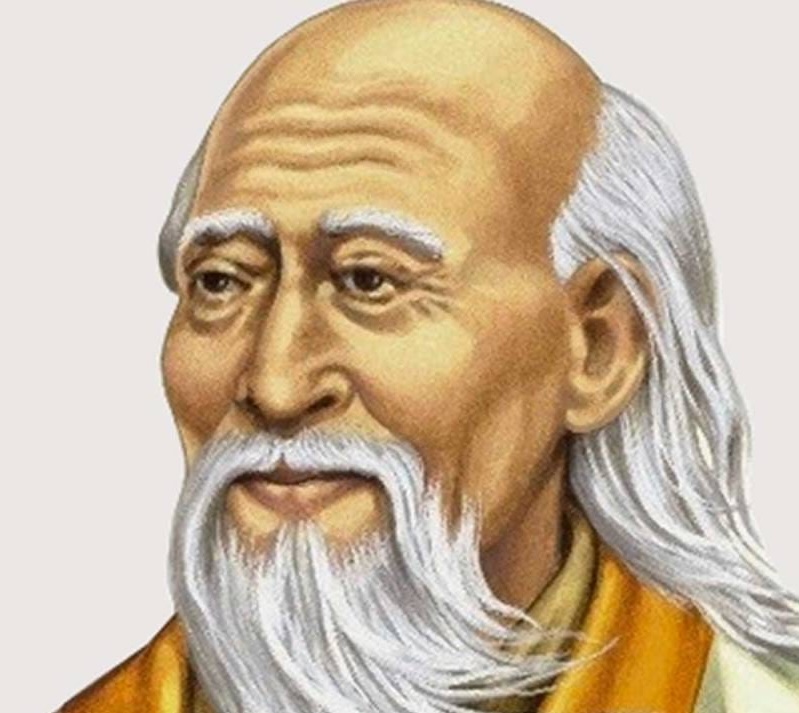
Lao Tzu's profound assertion, "Without going outside, you may know the whole world. Without looking through the window, you may see the ways of heaven," invites us to explore the depths of our inner lives as a pathway to understanding the universe. This quote suggests that true wisdom and insight do not necessarily require external exploration; rather, they can be cultivated through introspection and contemplation. In a world often preoccupied with external validation and sensory experiences, Lao Tzu's words remind us of the rich inner landscape that awaits discovery.
In a society that frequently equates knowledge with external experiences, Lao Tzu's wisdom serves as a gentle yet powerful reminder of the importance of turning inward. The journey to understanding the world and the divine does not always necessitate physical movement or external observation. Instead, it beckons us to delve into our thoughts, emotions, and consciousness, revealing that the essence of existence can be grasped through the quietude of our minds. This perspective invites us to reconsider our approach to learning and wisdom, emphasizing the significance of inner exploration.
The image / the metaphor
The imagery in Lao Tzu's quote evokes a sense of stillness and introspection. The phrases "without going outside" and "without looking through the window" suggest a departure from the conventional means of acquiring knowledge. Instead of seeking answers in the external world, we are encouraged to turn our gaze inward. The verbs chosen—"know" and "see"—imply a deeper understanding that transcends mere observation. This felt sense of knowing is not about accumulating facts but rather about experiencing a profound connection to the universe through the lens of our inner selves.
Diving deeper into the metaphor, we can interpret "the whole world" as not just the physical realm but also the interconnected web of existence that binds all beings. The "ways of heaven" can be seen as the underlying principles of harmony, balance, and unity that govern life. By looking inward, we can access a wisdom that aligns us with these universal truths. This metaphorical journey suggests that our inner life is a microcosm of the greater cosmos, where understanding and enlightenment can emerge from stillness and reflection.
In the speaker's tradition
Lao Tzu's teachings are deeply rooted in the tradition of Taoism, which emphasizes the interconnectedness of all things and the importance of aligning oneself with the Tao, or the Way. Concepts such as wu wei (non-action) and yin-yang (the balance of opposites) resonate with the essence of Lao Tzu's quote. Wu wei encourages us to embrace a state of effortless action, allowing us to flow with the natural rhythms of life rather than forcing our will upon the world. This aligns beautifully with the idea that true understanding arises from within, rather than through external exertion.
In the context of Taoist texts, the Tao Te Ching itself serves as a profound source of wisdom that echoes the sentiments expressed in this quote. For instance, Chapter 33 states, "Knowing others is intelligence; knowing yourself is true wisdom." This reinforces the notion that self-awareness and inner knowledge are paramount to understanding the world around us. By cultivating our inner life, we not only gain insight into ourselves but also into the greater tapestry of existence, revealing the interconnectedness of all beings.
Living the teaching
Consider a modern scenario where this teaching can be applied: a busy professional feeling overwhelmed by the demands of work and life. In the quest for success, they may find themselves constantly seeking external validation through achievements and accolades. However, by taking a moment to pause and reflect, perhaps through meditation or journaling, they can access a deeper understanding of their motivations and desires. This inner exploration allows them to reconnect with their true self, leading to a more authentic and fulfilling approach to their career and life.
Another application of this teaching can be found in relationships. Imagine a couple facing a conflict, each partner feeling misunderstood and frustrated. Instead of immediately seeking external advice or validation from friends, they could benefit from taking time to reflect on their own feelings and perspectives. By engaging in self-inquiry and understanding their emotional responses, they can approach the conversation with greater empathy and clarity, ultimately fostering a deeper connection and resolution. This practice of looking inward not only enhances personal growth but also enriches interpersonal relationships.
A reflection
As we contemplate Lao Tzu's wisdom, we are invited to ask ourselves: What insights can I uncover by turning my gaze inward? In a world that often prioritizes external achievements and validation, how might I cultivate a deeper understanding of myself and my place within the universe? This reflective inquiry encourages us to embrace the stillness within, allowing us to access the profound wisdom that resides in our inner lives.


