The Wisdom of the Heart: Knowing Beyond Thought
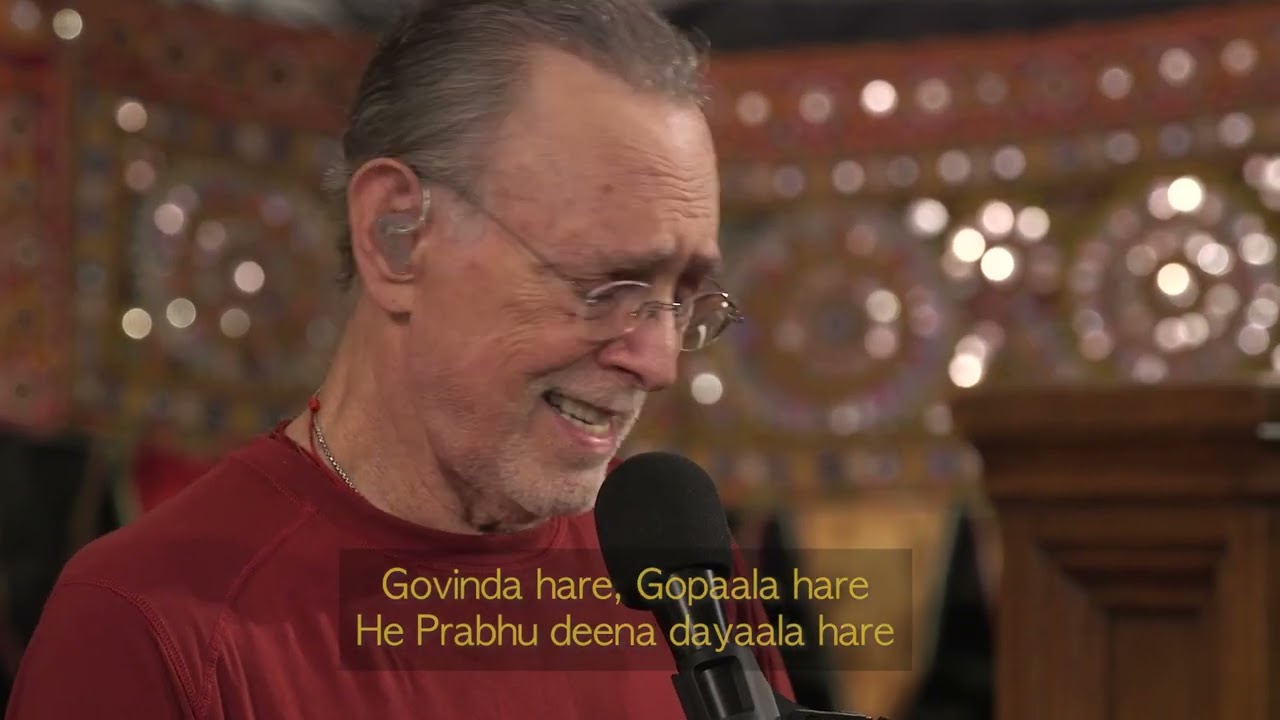
“Your heart already knows.” This simple yet profound statement by Krishna Das invites us to recognize the innate wisdom residing within our hearts. It suggests that beyond the noise of our thoughts and the chaos of our external lives, there exists a deeper understanding that is always accessible. This knowing is not merely intellectual; it is a felt sense, a resonance that guides us toward authenticity and truth. In a world often dominated by rationality and external validation, this reminder is both liberating and essential.
To delve deeper into this quote, we must consider the implications of the heart as a source of knowledge. The heart, in many spiritual traditions, is not just an organ but a center of emotional and spiritual intelligence. It embodies our deepest desires, fears, and aspirations. When Krishna Das tells us that our heart already knows, he is urging us to trust in this inner compass, to listen to the whispers of our soul rather than the clamor of societal expectations. This call to interiority is particularly relevant in our modern lives, where distractions abound and the path to self-discovery can feel obscured.
The image / the metaphor
The imagery of the heart as a vessel of knowing evokes a sense of warmth and intimacy. The heart is often associated with love, compassion, and vulnerability, suggesting that true knowledge is not cold or detached but rather deeply connected to our emotional landscape. The verb “knows” implies a kind of understanding that transcends mere facts or information; it speaks to an intuitive grasp of life’s complexities. This knowing is felt rather than thought, a gentle nudge or a quiet certainty that arises from within.
Diving deeper into this metaphor, we can see that the heart serves as a bridge between our inner and outer worlds. It connects our personal experiences with universal truths, allowing us to navigate life with a sense of purpose and clarity. In this sense, the heart is a guide, illuminating the path forward even when the way seems unclear. By acknowledging that our heart already knows, we are invited to cultivate a relationship with this inner wisdom, fostering a sense of trust and openness to the insights it offers.
In the speaker's tradition
Krishna Das, rooted in the bhakti tradition, emphasizes devotion and love as pathways to spiritual realization. In bhakti, the heart is central to the practice, serving as the seat of devotion and connection to the divine. Concepts such as dharma, or righteous living, and prajna, or wisdom, intertwine with the idea that our heart holds the answers we seek. The bhakti path encourages us to surrender our ego and open ourselves to the divine presence within, allowing our heart to guide us toward our true nature.
In the Bhagavad Gita, a foundational text in the bhakti tradition, Krishna speaks of the importance of surrendering to the heart’s wisdom. He invites Arjuna to listen to his inner voice, suggesting that true knowledge arises from aligning with one’s dharma. This resonates with Krishna Das’s assertion that our heart already knows; it is a call to trust in the divine guidance that flows through us when we are attuned to our authentic selves. The heart, in this context, becomes a sacred space where the divine and human meet, revealing the deeper truths of existence.
Living the teaching
Consider a modern scenario where this teaching can be applied: a person grappling with a significant life decision, such as changing careers or ending a relationship. In the midst of external pressures and societal expectations, they may feel torn between what they think they should do and what their heart truly desires. By taking a moment to pause, breathe, and listen to their heart, they can access a deeper knowing that transcends rational thought. This practice of tuning into the heart can illuminate the path forward, guiding them toward a choice that resonates with their authentic self.
Another application of this teaching can be found in the realm of relationships. In moments of conflict or misunderstanding, we often react from a place of hurt or fear, losing sight of our deeper connection with others. By remembering that our heart already knows, we can approach these situations with compassion and empathy. This might involve taking a step back to reflect on our feelings and the underlying motivations of those involved. In doing so, we create space for healing and understanding, allowing love to guide our interactions rather than fear or resentment.
A reflection
As we contemplate Krishna Das’s words, we are invited to explore the relationship we have with our own hearts. What does it mean to trust in the wisdom that resides within us? In moments of uncertainty or confusion, how can we cultivate the practice of listening to our heart’s knowing? This reflection encourages us to engage with our inner landscape, fostering a deeper connection to ourselves and the world around us. As we navigate the complexities of life, may we remember that our heart already knows, guiding us toward authenticity and truth.