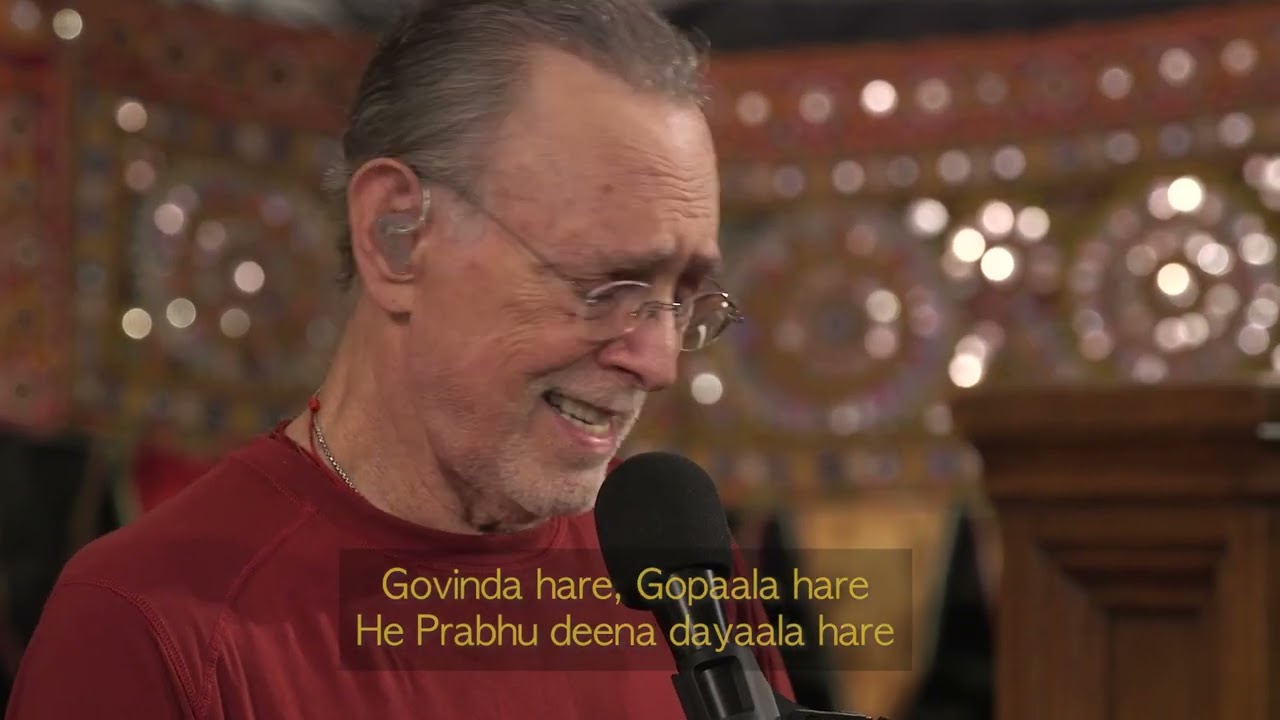
The Transformative Power of a Single Breath
In the words of Krishna Das, "Just one true breath of the Name and everything changes." This profound statement invites us to consider the transformative potential of a single moment of deep connection with the divine. It suggests that within the simplicity of breath and the invocation of a sacred name lies the power to shift our entire experience of reality. This insight is not merely poetic; it speaks to the heart of spiritual practice and the profound shifts that can occur when we engage with intention and presence.
As we delve deeper into this quote, we recognize that breath is not just a physical act; it is a bridge between the mundane and the sacred. The act of breathing, particularly when paired with the repetition of a divine name, serves as a reminder of our interconnectedness with the universe. In a world often filled with chaos and distraction, this teaching beckons us to pause, to breathe, and to reconnect with the essence of who we are. It is in this sacred pause that we can experience profound change, both within ourselves and in our interactions with the world around us.
The image / the metaphor
At its core, the quote evokes a vivid image of breath as a life-giving force. The term "true breath" suggests a depth of inhalation that transcends the mere act of breathing; it implies a conscious engagement with the life force that sustains us. The "Name" refers to the sacred names of the divine, which in the bhakti tradition are seen as embodiments of the divine presence. This interplay between breath and name creates a felt sense of intimacy with the divine, where each inhalation and exhalation becomes a sacred act of devotion.
Diving deeper into the metaphor, we can see that breath symbolizes the rhythm of life itself. Just as our breath flows in and out, so too does our experience of change. The invocation of the Name acts as a catalyst, igniting a transformation that reverberates through our being. In this way, Krishna Das invites us to recognize that even the smallest act of devotion can lead to significant shifts in our consciousness, reminding us that change is not always a grand event but can occur in the quiet moments of our lives.
In the speaker's tradition
Krishna Das, rooted in the bhakti tradition, emphasizes the importance of devotion and surrender to the divine. Bhakti, which translates to "devotion," is a path that encourages practitioners to cultivate a loving relationship with God through practices such as chanting, prayer, and meditation. The concept of "naam," or the divine name, is central to this tradition, serving as a means to connect with the divine essence. This connection fosters a sense of unity and belonging, allowing practitioners to experience the transformative power of love and devotion.
In the context of bhakti literature, we can draw parallels to the teachings found in the *Bhagavad Gita*, where Krishna speaks of surrender and devotion as paths to liberation. The Gita emphasizes that through sincere devotion and the remembrance of the divine, one can transcend the limitations of the ego and experience a profound sense of peace. This aligns beautifully with Krishna Das's assertion that a single breath of the Name can catalyze a shift in our perception, leading us toward a deeper understanding of our true nature.
Living the teaching
Consider a modern scenario where this teaching might resonate: a busy professional feeling overwhelmed by the demands of work and life. In the midst of deadlines and responsibilities, taking a moment to pause and breathe deeply while repeating a sacred name can serve as a powerful reset. This simple act can shift the energy from stress to calm, allowing the individual to approach their tasks with renewed clarity and focus. It illustrates how the practice of mindful breathing, combined with devotion, can transform our experience of daily challenges.
In a different context, imagine a relationship strained by misunderstandings and conflict. By consciously invoking a sacred name during moments of tension, individuals can create a space for compassion and understanding. This practice encourages a shift from reactive patterns to a more mindful approach, fostering deeper connections and healing. Here, the teaching emphasizes that even in our most challenging interactions, a single breath infused with intention can pave the way for reconciliation and love.
A reflection
As we contemplate the essence of Krishna Das's quote, we are invited to consider: How can a single breath of the Name transform my current experience? This question encourages us to explore the moments in our lives where we feel stuck or overwhelmed, and to recognize the potential for change that lies within the simple act of breathing and invoking the divine. In this inquiry, we may discover that the path to transformation is not always found in grand gestures, but rather in the quiet, sacred moments of our everyday lives.