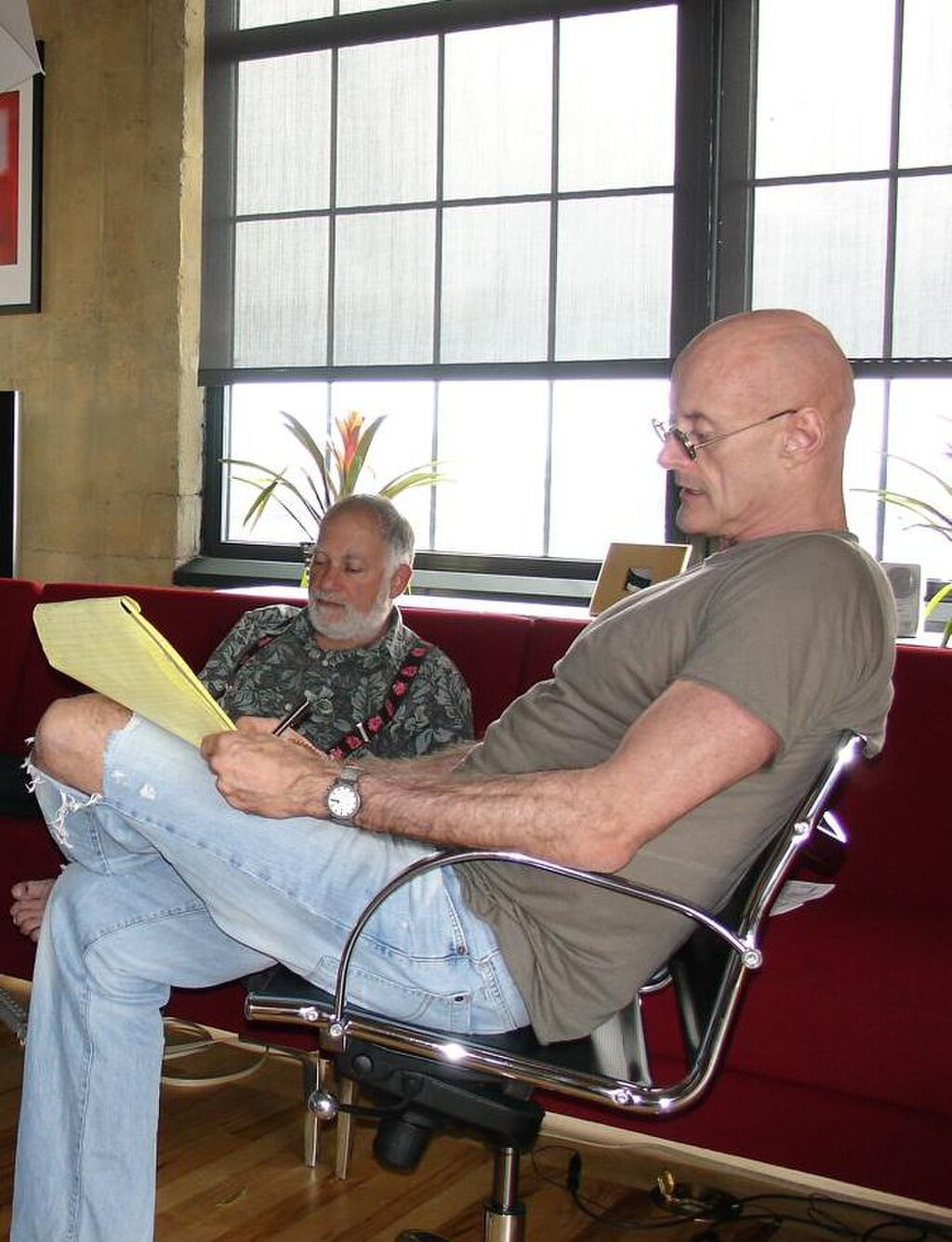
Ken Wilber's assertion that "Reality is not made of things. Reality is made of perspectives" invites us to reconsider the very nature of existence. In a world often dominated by materialism and the tangible, this perspective challenges us to look beyond the surface and recognize that our understanding of reality is shaped by our viewpoints. This insight is not merely philosophical; it has profound implications for how we engage with ourselves and others, urging us to cultivate a deeper awareness of the subjective nature of our experiences.
Wilber's statement serves as a reminder that our perceptions are not just reflections of the world around us; they are the lenses through which we interpret our lives. By acknowledging that reality is constructed from perspectives, we open ourselves to a more nuanced understanding of truth, one that transcends the limitations of a singular viewpoint. This shift in perception can lead to greater empathy, deeper connections, and a more profound appreciation for the diversity of human experience.
The image / the metaphor
At first glance, Wilber's quote presents a striking dichotomy between "things" and "perspectives." The word "things" evokes a sense of solidity and permanence, suggesting that reality is composed of fixed entities. In contrast, "perspectives" implies fluidity and subjectivity, highlighting the dynamic interplay of consciousness and experience. This imagery invites us to envision reality not as a static landscape filled with objects, but as a vibrant tapestry woven from the myriad viewpoints of those who inhabit it.
Delving deeper into the metaphor, we can see that perspectives are akin to colors on an artist's palette. Each perspective adds depth and richness to the canvas of reality, creating a more intricate and beautiful picture. Just as an artist must choose which colors to blend and highlight, we too must navigate our perspectives, recognizing that each one contributes to our understanding of the world. This metaphor encourages us to embrace the complexity of existence, inviting us to explore the interplay of perspectives rather than clinging to a singular narrative.
In the speaker's tradition
Wilber's integral philosophy is rooted in a holistic understanding of consciousness, where perspectives play a crucial role in shaping our experience of reality. Concepts such as dharma, which refers to the inherent nature of things, and kenosis, the act of self-emptying, resonate deeply with the idea that our understanding is not fixed but rather fluid and evolving. In this context, the notion of sunyata, or emptiness, underscores the idea that reality is not defined by rigid structures but is instead a dynamic interplay of perspectives that arise and dissolve.
In his work "Integral Spirituality," Wilber draws upon various spiritual traditions to illustrate how different perspectives can lead to a more comprehensive understanding of truth. For instance, the Buddhist concept of prajna, or wisdom, emphasizes the importance of seeing beyond the illusion of separateness, inviting us to recognize the interconnectedness of all beings. This aligns with Wilber's assertion that reality is shaped by perspectives, as it encourages us to cultivate a broader awareness that transcends individual viewpoints.
Living the teaching
Consider a modern scenario where this teaching can be applied: a workplace conflict. Imagine two colleagues who have differing opinions on a project. If they approach the situation with the understanding that their realities are shaped by their unique perspectives, they may be more inclined to engage in open dialogue rather than defensiveness. By acknowledging that their viewpoints are valid and shaped by their experiences, they can work collaboratively to find common ground, ultimately enriching the project with diverse insights.
This teaching also finds resonance in personal relationships. In moments of disagreement with a loved one, recognizing that each person's perspective is a reflection of their experiences can foster compassion and understanding. Instead of viewing the situation as a battle of right and wrong, one can approach it as an opportunity to explore the underlying feelings and beliefs that shape each perspective. This shift can transform conflict into a deeper connection, allowing for growth and healing.
A reflection
As we contemplate Wilber's assertion that "Reality is not made of things. Reality is made of perspectives," we are invited to reflect on our own understanding of reality. How often do we find ourselves clinging to a singular viewpoint, dismissing the richness that other perspectives can offer? In what ways can we cultivate a more expansive awareness that embraces the diversity of human experience? These questions encourage us to engage in a contemplative practice that deepens our understanding of ourselves and the world around us.


