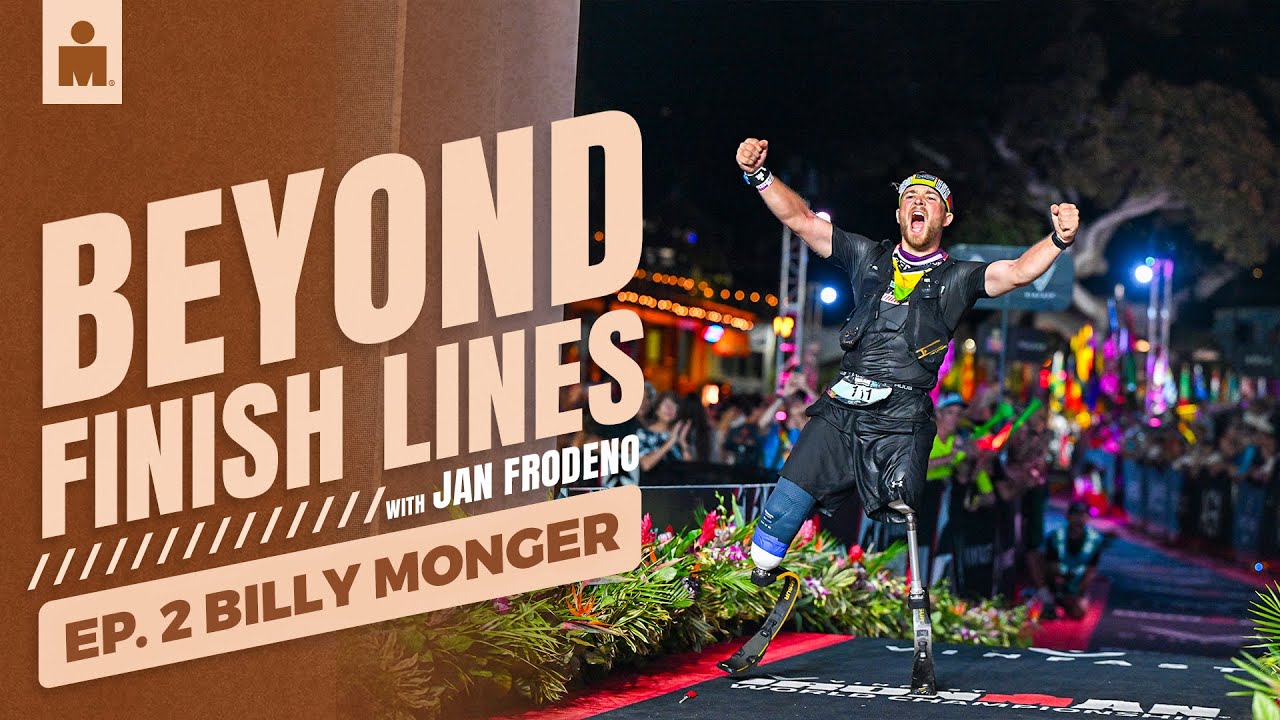
Jan Frodeno’s assertion that "Swim, bike, run—but the real race is between you and yourself" encapsulates a profound truth about the nature of competition and personal growth. In the world of triathlon, where physical prowess is often celebrated, Frodeno invites us to look inward, suggesting that the most significant challenges we face are not external but internal. This perspective shifts the focus from merely beating others to conquering our own limitations, fears, and doubts. The stakes are high; understanding this inner race can transform not only how we approach sports but also how we navigate life itself.
Delving deeper, Frodeno’s words resonate with the essence of solitude, a theme that permeates the experience of endurance sports. In the solitude of training, athletes confront their thoughts, emotions, and physical boundaries. This solitary journey is not merely about isolation; it is a sacred space where self-discovery occurs. The real race, as Frodeno articulates, is a continuous dialogue with oneself, a process of mental toughness that shapes character and resilience. This understanding elevates the act of competing from a mere contest to a profound exploration of the self.
The image / the metaphor
The imagery in Frodeno’s quote is rich and evocative. The verbs "swim," "bike," and "run" conjure a vivid picture of the triathlete’s journey, each discipline representing a unique challenge that requires not only physical strength but also mental fortitude. The phrase "the real race" suggests that while the external competition is tangible, the internal struggle is far more significant. This duality creates a felt sense of urgency and introspection, inviting athletes and non-athletes alike to consider their own internal battles.
Going deeper into the metaphor, the triathlon becomes a microcosm of life itself. Each stroke in the water, each pedal on the bike, and each step on the run symbolizes the various phases of our personal journeys. The race against oneself is not just about overcoming physical limitations; it is about confronting fears, insecurities, and the relentless voice of self-doubt. In this light, Frodeno’s words serve as a reminder that true victory lies not in surpassing others but in transcending our own perceived boundaries.
In the speaker's tradition
Jan Frodeno’s insights can be situated within the broader tradition of triathlon, which emphasizes not only physical endurance but also mental resilience and self-awareness. This aligns with concepts such as dharma, which in many spiritual traditions refers to one’s path or duty. In triathlon, the journey is both personal and communal, where each athlete must find their own dharma amidst the competitive landscape. The notion of kenosis, or self-emptying, also resonates here; athletes must let go of ego and external validation to truly engage in the inner race.
To further illustrate this, we can look at the teachings found in the Bhagavad Gita, where Arjuna’s struggle on the battlefield mirrors the internal conflicts faced by athletes. Just as Arjuna must confront his fears and doubts to fulfill his dharma, so too must triathletes face their inner challenges to achieve personal growth. The Gita teaches that the true battle is not against others but against the self, reinforcing Frodeno’s message that the most significant race is the one we run within.
Living the teaching
Consider a modern scenario where this teaching lands: an individual preparing for a marathon. As race day approaches, the excitement of competition can overshadow the deeper purpose of the journey. In training, they may find themselves grappling with self-doubt, questioning their abilities and commitment. By embracing Frodeno’s perspective, they can shift their focus from merely finishing ahead of others to understanding that each mile run is an opportunity to confront their own limitations and grow stronger in the process.
This teaching can also be applied in relationships, particularly during challenging moments. Imagine a disagreement with a loved one that triggers feelings of inadequacy or frustration. Instead of reacting defensively, one can take a step back and engage in the inner race, reflecting on their own emotions and responses. This practice of self-examination fosters deeper understanding and connection, transforming conflict into an opportunity for personal growth and relational harmony.
A reflection
As we contemplate Frodeno’s words, we are invited to ask ourselves: What does the race against myself look like in my life? This question encourages a deep exploration of our internal landscapes, prompting us to consider the fears, doubts, and aspirations that shape our experiences. In recognizing that the most significant competition lies within, we open ourselves to the possibility of profound transformation, both in our pursuits and in our relationships with others.