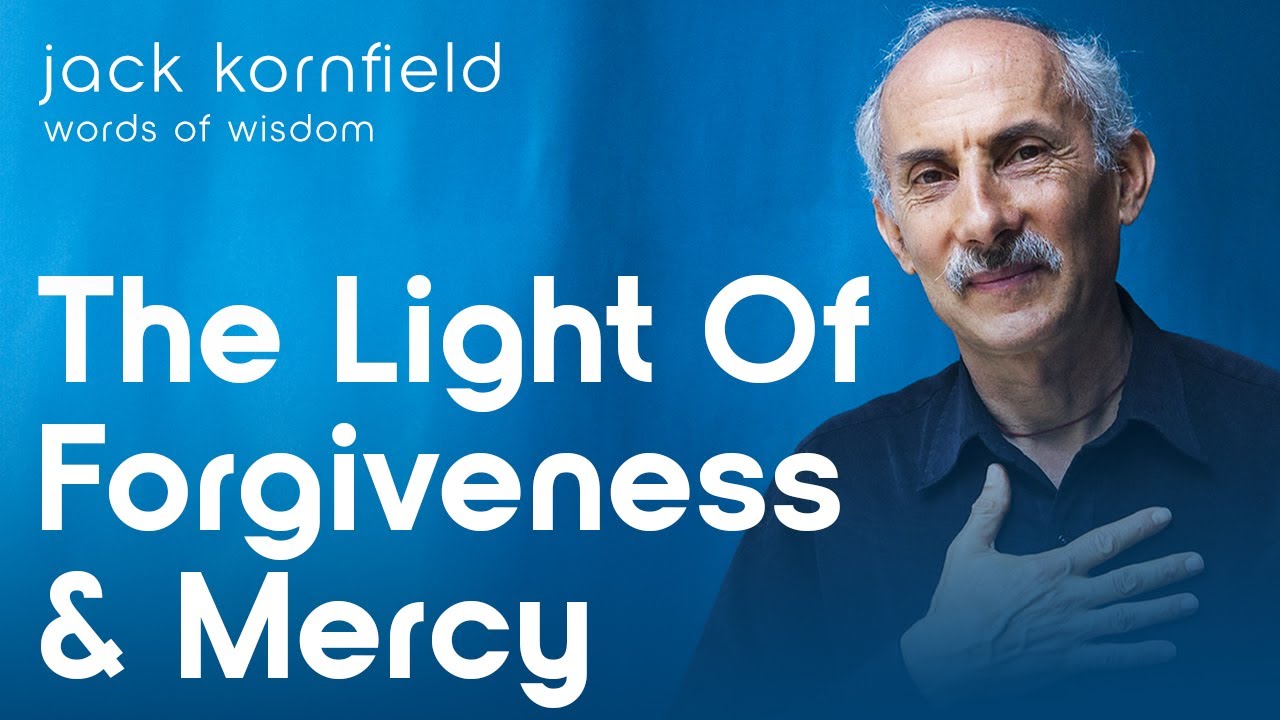
Jack Kornfield's poignant assertion, "You will know peace when you cease your war with what is," invites us to reflect deeply on the nature of our internal struggles. At its core, this quote speaks to the profound truth that peace is not something we can chase or attain through external means; rather, it is found in the acceptance of our present reality. The stakes are high, as our resistance to what is can lead to a life filled with turmoil, anxiety, and discontent. Understanding this teaching can transform our relationship with ourselves and the world around us.
In a society that often equates success with control and perfection, Kornfield's words serve as a gentle reminder of the power of surrender. To cease our war with reality does not imply passivity or resignation; instead, it calls for a courageous embrace of life as it unfolds. This acceptance is a radical act of love towards ourselves and our circumstances, allowing us to cultivate a sense of inner tranquility that is not contingent upon external validation or outcomes. By exploring this quote, we embark on a journey towards deeper self-awareness and compassion.
The image / the metaphor
The imagery in Kornfield's quote evokes a battlefield, a place of conflict where one fights against the very essence of existence. The term "war" suggests a struggle, a relentless effort to impose our will upon the world, to shape it according to our desires and fears. This metaphor resonates with the human experience, as we often find ourselves in a constant state of resistance, battling against our emotions, circumstances, and even our own thoughts. The felt sense of this struggle is palpable; it is a heavy burden that weighs us down and obscures our ability to experience peace.
In the speaker's tradition
Jack Kornfield, a prominent figure in the field of mindfulness and Buddhist teachings, draws upon the rich tapestry of Buddhist philosophy to illuminate the path to peace. Central to this tradition is the concept of dharma, which refers to the natural order of things and our alignment with it. By ceasing our war with what is, we begin to align ourselves with the dharma, recognizing that acceptance is a fundamental aspect of wisdom (prajna). This understanding invites us to cultivate a sense of equanimity, allowing us to navigate life's challenges with grace and clarity.
Moreover, the notion of sunyata, or emptiness, plays a crucial role in this teaching. In recognizing the impermanence of all things, we can release our attachment to fixed ideas and expectations. This perspective echoes the teachings found in texts such as the Heart Sutra, which emphasizes the importance of letting go of dualistic thinking. By embracing the emptiness of our struggles, we can find a profound sense of peace that transcends the chaos of our lives, allowing us to experience the fullness of the present moment.
Living the teaching
Consider a modern scenario where this teaching resonates: a person facing the uncertainty of a job loss. In the initial stages, they may find themselves in a state of panic, resisting the reality of their situation and clinging to the past. However, as they begin to internalize Kornfield's message, they may start to explore acceptance. By acknowledging their feelings of fear and vulnerability, they can gradually shift their perspective, recognizing that this moment, however challenging, is an opportunity for growth and transformation. In this acceptance, they may discover new paths and possibilities that were previously obscured by their resistance.
Another application of this teaching can be found within relationships, particularly during conflicts. When disagreements arise, it is easy to fall into a pattern of blame and defensiveness, waging an internal war against our partner's perspective. However, by embracing Kornfield's wisdom, we can choose to cease this war by practicing active listening and empathy. This shift allows us to honor the reality of our partner's feelings, fostering a deeper connection and understanding. In doing so, we create a space for healing and reconciliation, ultimately cultivating a more peaceful and harmonious relationship.
A reflection
As we contemplate Kornfield's profound insight, we are invited to reflect on our own lives: What internal wars are we currently fighting against the reality of our circumstances? In what ways can we practice acceptance and surrender to find the peace that lies within? This contemplative question encourages us to explore the areas of our lives where resistance may be hindering our growth and well-being, guiding us towards a more peaceful existence.