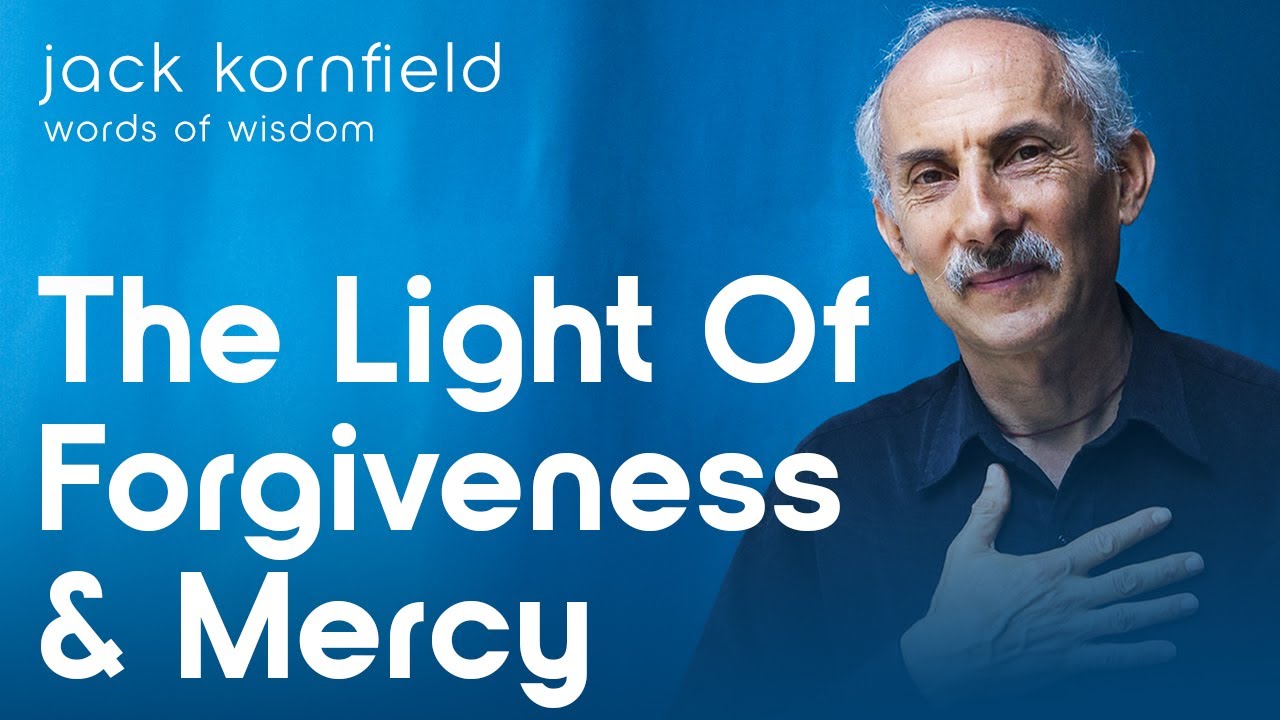
Jack Kornfield's assertion that "to live with integrity is to know that what we do matters" invites us into a profound contemplation of our actions and their significance. In a world often marked by distraction and superficiality, this statement serves as a reminder that our choices, however small, ripple through the fabric of existence. The stakes are high; to live with integrity is not merely a personal endeavor but a commitment to the interconnectedness of all beings. It challenges us to recognize that our actions resonate beyond ourselves, shaping the world in ways we may not immediately perceive.
Delving deeper, Kornfield's words compel us to examine the essence of integrity itself. It is not simply about adhering to a set of moral codes; rather, it is an alignment of our inner values with our outward actions. This alignment fosters a sense of authenticity and purpose, allowing us to navigate life with clarity and intention. When we understand that our actions matter, we cultivate a sense of responsibility that can transform our relationships, our communities, and ultimately, ourselves. In this light, integrity becomes a path to deeper engagement with life, urging us to act with mindfulness and compassion.
The image / the metaphor
The imagery in Kornfield's quote evokes a sense of weight and significance. The phrase "to live with integrity" suggests a grounding force, a steadfastness that anchors us in our values. The verb "know" implies a deep awareness, a conscious recognition of the impact our actions have on ourselves and others. This awareness is not passive; it is an active engagement with the world, where each decision is imbued with meaning. The notion that "what we do matters" serves as a call to action, urging us to step into our lives with intention and purpose.
In the speaker's tradition
Jack Kornfield's teachings are deeply rooted in the Buddhist tradition, where concepts such as dharma and interconnectedness play a central role. Dharma, often translated as "truth" or "cosmic law," emphasizes the importance of living in accordance with our true nature and the ethical principles that govern our actions. In this context, integrity becomes a manifestation of our understanding of dharma, guiding us to act in ways that honor both ourselves and the world around us. The practice of mindfulness, a cornerstone of Buddhist teachings, further supports this journey, encouraging us to cultivate awareness of our thoughts, words, and deeds.
In his book "A Path with Heart," Kornfield draws upon the teachings of the Buddha, who emphasized the significance of right action as part of the Noble Eightfold Path. This path invites practitioners to engage in ethical conduct, understanding that our actions have consequences that extend beyond our immediate experience. The concept of sunyata, or emptiness, also resonates here, reminding us that our sense of self is interwoven with the lives of others. When we act with integrity, we honor this interconnectedness, recognizing that our choices contribute to the unfolding of life itself.
Living the teaching
Consider a modern scenario where Kornfield's teaching on integrity finds resonance: a workplace environment fraught with competition and ethical dilemmas. In such a setting, an employee may face pressure to compromise their values for the sake of advancement. However, by embracing the understanding that their actions matter, they may choose to advocate for transparency and fairness, even at the risk of personal gain. This decision not only reflects their commitment to integrity but also sets a precedent for others, fostering a culture of ethical behavior that can transform the workplace dynamic.
In the realm of personal relationships, the application of this teaching can be equally profound. Imagine a moment of conflict between friends, where misunderstandings threaten to fracture their bond. By recognizing that their words and actions carry weight, each individual may choose to engage in open, honest dialogue, prioritizing empathy and understanding over defensiveness. This commitment to integrity not only resolves the immediate conflict but also deepens the trust and connection between them, illustrating how living with integrity can create a ripple effect of positive change in our interactions.
A reflection
As we reflect on Kornfield's poignant words, we are invited to consider the ways in which we embody integrity in our own lives. What actions are we taking that align with our values, and how do they contribute to the greater good? In moments of choice, how can we cultivate a deeper awareness of the impact of our decisions? By engaging with these questions, we can begin to explore the profound significance of our actions and the ways in which they matter in the tapestry of existence.