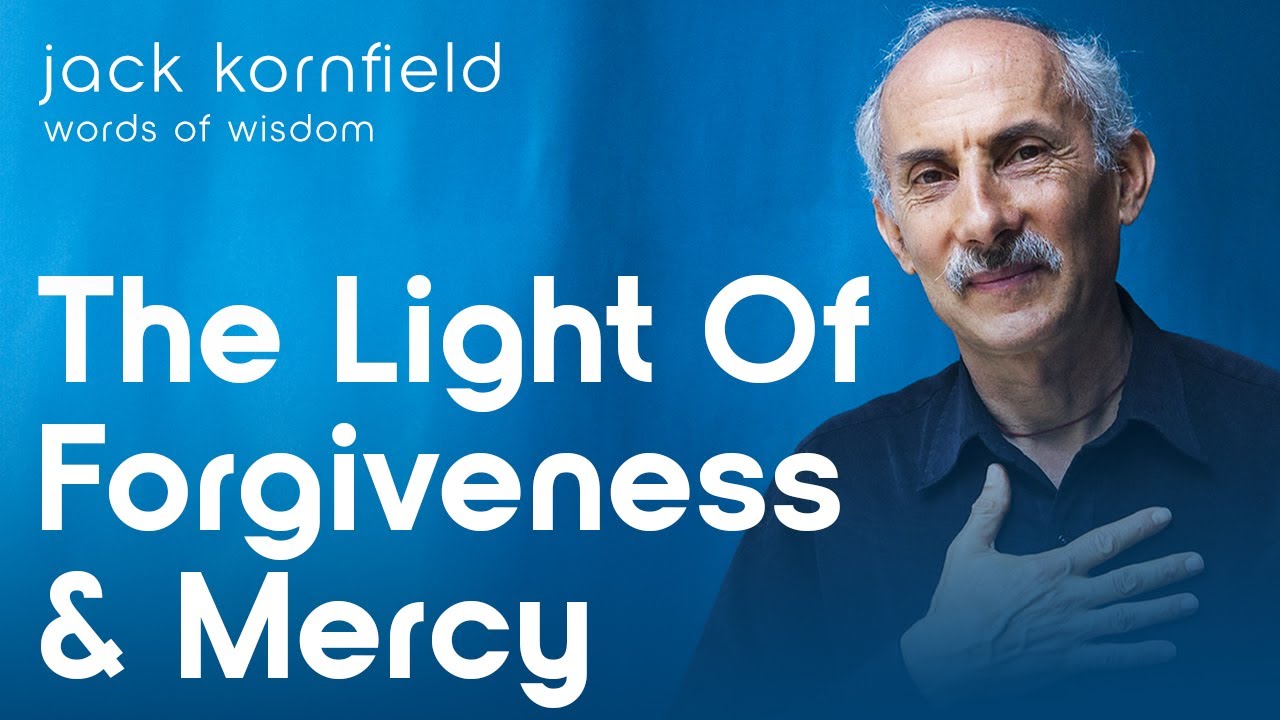
Jack Kornfield's assertion that "generosity is the heart's natural movement" invites us to explore the intrinsic connection between our emotional landscape and the act of giving. This statement suggests that at our core, we are wired for generosity, and that our hearts naturally yearn to share and connect with others. Understanding this can transform our approach to both giving and receiving, revealing generosity not merely as an action but as a fundamental aspect of our being. In a world often marked by scarcity and self-interest, recognizing this innate tendency can inspire profound change in our lives and communities.
Delving deeper, we find that Kornfield's words resonate with a timeless truth found in many spiritual traditions: that the act of giving enriches both the giver and the receiver. When we engage in acts of generosity, we tap into a wellspring of joy and fulfillment that transcends material possessions. This perspective challenges the prevailing notion that happiness is derived from accumulation, instead suggesting that true contentment arises from the heart's natural inclination to share and uplift others. By embracing this truth, we can cultivate a more compassionate and interconnected existence.
The image / the metaphor
The imagery in Kornfield's quote evokes a sense of fluidity and ease, suggesting that generosity flows from the heart as naturally as water flows from a spring. The use of the word "movement" implies a dynamic process, one that is not forced or contrived but rather a spontaneous expression of our inner selves. This natural movement speaks to the idea that generosity is not merely an obligation or a duty; it is a joyful response to the interconnectedness of life. When we allow our hearts to guide us, we find that generosity becomes a seamless part of our daily existence.
In the speaker's tradition
Jack Kornfield, a prominent figure in contemporary Buddhism, draws upon the rich tapestry of Buddhist teachings to illuminate the concept of generosity. In the context of dharma, generosity (or "dāna") is considered one of the essential practices leading to spiritual awakening. This practice aligns with the notion of "kenosis," or self-emptying, where one relinquishes the ego's grip on possessions and embraces a life of service and compassion. The heart's natural movement toward generosity reflects the understanding that true fulfillment arises not from clinging but from letting go and sharing with others.
Furthermore, this idea resonates with the Buddhist concept of "sunyata," or emptiness, which teaches that our attachments and desires often cloud our perception of reality. When we recognize the emptiness of our material pursuits, we can shift our focus toward the richness of human connection and the joy of giving. Kornfield's emphasis on the heart's natural movement echoes the teachings found in the "Dhammapada," where the Buddha states, "Happiness does not depend on what you have or who you are. It solely relies on what you think." This alignment of thought and action underscores the transformative power of generosity in cultivating a joyful and meaningful life.
Living the teaching
Consider a modern scenario where this teaching of generosity can be applied: a colleague at work is facing a challenging time, perhaps due to personal issues or professional stress. In this moment, the heart's natural movement toward generosity might manifest as a simple act of kindness—a listening ear, a warm meal, or even a heartfelt note of encouragement. Such gestures, though seemingly small, can create ripples of compassion that uplift not only the recipient but also the giver, reinforcing the interconnectedness that Kornfield speaks of. By responding to the needs of others, we embody the essence of generosity and foster a supportive environment.
In a different context, consider a relationship where misunderstandings have created distance. Here, the practice of generosity can take the form of vulnerability and openness. By expressing our feelings honestly and offering forgiveness, we create space for healing and reconnection. This act of generosity, rooted in the heart's natural movement, allows us to transcend our ego-driven desires for validation or control. Instead, we embrace the transformative power of love and compassion, nurturing the bonds that unite us. In both scenarios, the heart's natural inclination to give becomes a catalyst for deeper connection and understanding.
A reflection
As we contemplate Kornfield's insight, we might ask ourselves: "In what ways can I allow my heart's natural movement toward generosity to guide my actions today?" This question invites us to reflect on the barriers we may have constructed around our hearts and encourages us to explore how we can cultivate a more generous spirit in our daily lives. By embracing this inquiry, we open ourselves to the possibility of profound transformation, both within ourselves and in our relationships with others.