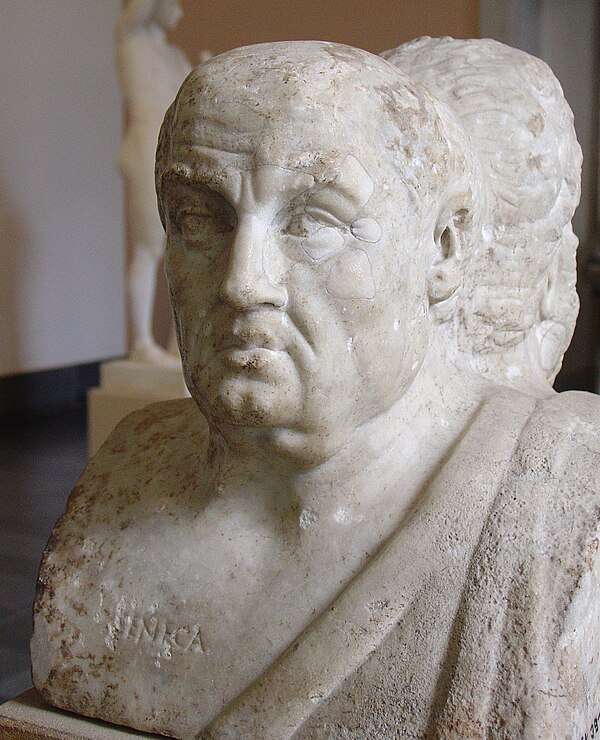
Seneca's assertion, "What is needed to be happy? Live in accordance with nature," invites us to consider the profound relationship between our inner lives and the external world. In this statement, happiness is not merely a fleeting emotion but a state of being that arises from aligning ourselves with the natural order of existence. This alignment is not just a philosophical ideal; it is a practical guide for living a fulfilling life. Understanding this connection can illuminate our paths toward genuine contentment and peace.
To live in accordance with nature suggests a deeper understanding of what it means to be human within the cosmos. It challenges us to reflect on our desires, our actions, and our relationships with the world around us. In a society often driven by materialism and distraction, Seneca's wisdom serves as a reminder that true happiness is found not in external achievements but in the harmony we cultivate with the natural rhythms of life. This perspective invites us to explore how we can attune ourselves to the world, fostering a sense of belonging and purpose that transcends the superficial.
The image / the metaphor
At first glance, the imagery in Seneca's quote evokes a sense of simplicity and clarity. The phrase "live in accordance with nature" conjures visions of a life that flows seamlessly with the environment, where our actions resonate with the fundamental principles of the universe. The verbs chosen—"live" and "accordance"—suggest an active engagement with life, emphasizing that happiness is not a passive state but a dynamic process. This imagery invites us to envision ourselves as part of a larger tapestry, where our individual threads contribute to the overall beauty and balance of existence.
In the speaker's tradition
Seneca's teachings are deeply rooted in Stoicism, a philosophical tradition that emphasizes virtue, reason, and the importance of living in harmony with the natural order. Central to Stoic thought is the concept of dharma, which refers to the moral law that governs the universe and our place within it. Just as the Stoics believed in aligning oneself with reason and virtue, living in accordance with nature reflects a commitment to understanding our role in the grand scheme of existence. This alignment fosters resilience in the face of adversity, as we learn to accept what we cannot control and focus on our responses.
In his letters, Seneca often draws upon the idea of kenosis, or self-emptying, which resonates with the notion of living authentically. By letting go of ego-driven desires and societal expectations, we can embrace a more profound connection with nature and our true selves. This theme is echoed in other Stoic texts, such as Marcus Aurelius's Meditations, where he reflects on the importance of aligning one's thoughts and actions with the greater good. Together, these teachings illuminate a path toward inner peace and fulfillment.
Living the teaching
Consider a modern scenario where the wisdom of living in accordance with nature can be applied: the overwhelming pace of contemporary life. Many individuals find themselves caught in a relentless cycle of work, social obligations, and digital distractions, often leading to stress and discontent. By consciously choosing to step back and reconnect with nature—whether through a walk in the park, gardening, or simply observing the changing seasons—we can cultivate a sense of peace and grounding. This practice not only nurtures our well-being but also reminds us of our interconnectedness with the world around us.
Another application of this teaching can be found in relationships. In moments of conflict or misunderstanding, we often react impulsively, driven by our emotions and desires. By embracing Seneca's wisdom, we can pause and reflect on our true nature and the nature of our relationships. This reflection allows us to approach conflicts with empathy and understanding, fostering deeper connections and harmony. Living in accordance with nature in this context means recognizing the inherent value of patience, compassion, and the shared human experience.
A reflection
As we contemplate Seneca's profound insight, we are invited to ask ourselves: How can I align my daily actions and choices with the natural rhythms of my life? This question encourages us to reflect on our priorities, our relationships, and our connection to the world around us. By seeking to live in accordance with nature, we open ourselves to the possibility of true happiness—a state of being that arises from authenticity, balance, and a deep understanding of our place within the universe.


