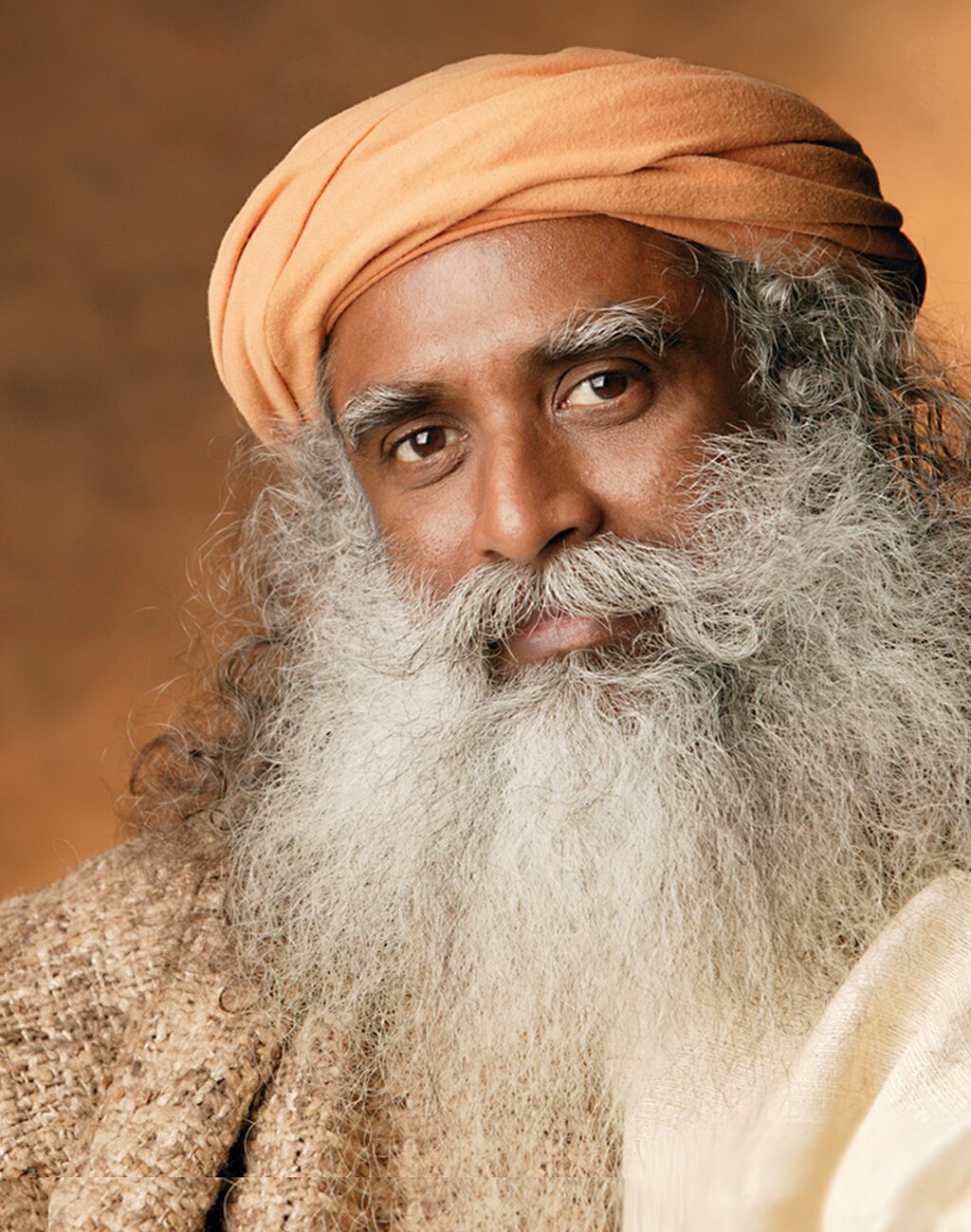
Sadhguru's assertion that "Life will go your way only if you are willing to go life's way" invites us to consider the delicate balance between our desires and the unpredictable nature of existence. This quote speaks to the essence of surrender, suggesting that true fulfillment arises not from rigid control but from an openness to the unfolding of life as it is. In a world often characterized by resistance and struggle, this teaching encourages us to align ourselves with the natural flow of life, fostering a sense of peace and acceptance.
At its core, this statement challenges the conventional notion of success, urging us to reconsider what it means to live a meaningful life. It emphasizes that our journey is not merely about achieving personal goals but about cultivating a harmonious relationship with the world around us. By embracing life's inherent uncertainties, we can discover a deeper sense of purpose and connection, ultimately leading to a more profound experience of joy and contentment.
The image / the metaphor
The imagery in Sadhguru's quote evokes a sense of movement and fluidity, suggesting that life is akin to a river that flows in its own direction. The verbs "go" and "willing" highlight the active participation required on our part; we must not only move with life but also cultivate a willingness to embrace its twists and turns. This metaphor of flowing water serves as a reminder that resistance can lead to stagnation, while surrendering to the current can lead to growth and transformation.
Diving deeper into this metaphor, we can envision life as a dance, where we are both the dancer and the dance itself. To "go life's way" is to engage in a dynamic interplay with the universe, allowing ourselves to be guided by its rhythms and patterns. In this dance, we learn to let go of the need for control, trusting that each step we take is part of a larger choreography that unfolds in perfect timing. This perspective invites us to view challenges not as obstacles but as integral parts of our journey, enriching our experience and deepening our understanding.
In the speaker's tradition
Sadhguru's teachings are deeply rooted in the yogic tradition, which emphasizes the importance of surrender and alignment with one's dharma, or life purpose. The concept of surrender, or *prapatti*, is central to many spiritual paths, including yoga, where it is understood as a relinquishing of the ego's demands in favor of a greater cosmic order. This aligns with the idea of *sunyata*, or emptiness, which invites us to release our attachments and embrace the fluidity of existence, allowing life to unfold without the constraints of our expectations.
In the context of yogic texts, we can draw parallels to the Bhagavad Gita, where Lord Krishna advises Arjuna to perform his duty without attachment to the results. This teaching echoes Sadhguru's message, as it underscores the importance of engaging fully in our lives while remaining open to the outcomes that arise. By practicing this form of detachment, we cultivate a sense of inner peace and resilience, enabling us to navigate the complexities of life with grace and ease.
Living the teaching
Consider a modern scenario where this teaching resonates: a professional facing a challenging project at work. The pressure to meet deadlines and achieve specific outcomes can create a sense of anxiety and resistance. However, by embracing Sadhguru's wisdom, the individual can shift their focus from striving for control to being open to the process itself. This might involve collaborating with colleagues, seeking feedback, and allowing the project to evolve organically, ultimately leading to a more innovative and fulfilling outcome.
This teaching can also be applied in personal relationships, particularly during moments of conflict. Instead of clinging to the desire to be right or to have things go a certain way, one might practice surrendering to the flow of the conversation. By listening deeply and allowing space for vulnerability, both parties can navigate their differences with compassion and understanding, fostering a deeper connection. In these instances, the willingness to go life's way transforms potential discord into an opportunity for growth and intimacy.
A reflection
As we contemplate Sadhguru's profound insight, we are invited to reflect on our own relationship with life. Are there areas where we find ourselves resisting the natural flow of events? What would it look like to embrace surrender in those moments, allowing life to unfold as it will? In this inquiry, we may discover the freedom that comes from letting go of our need for control and trusting in the wisdom of the universe.