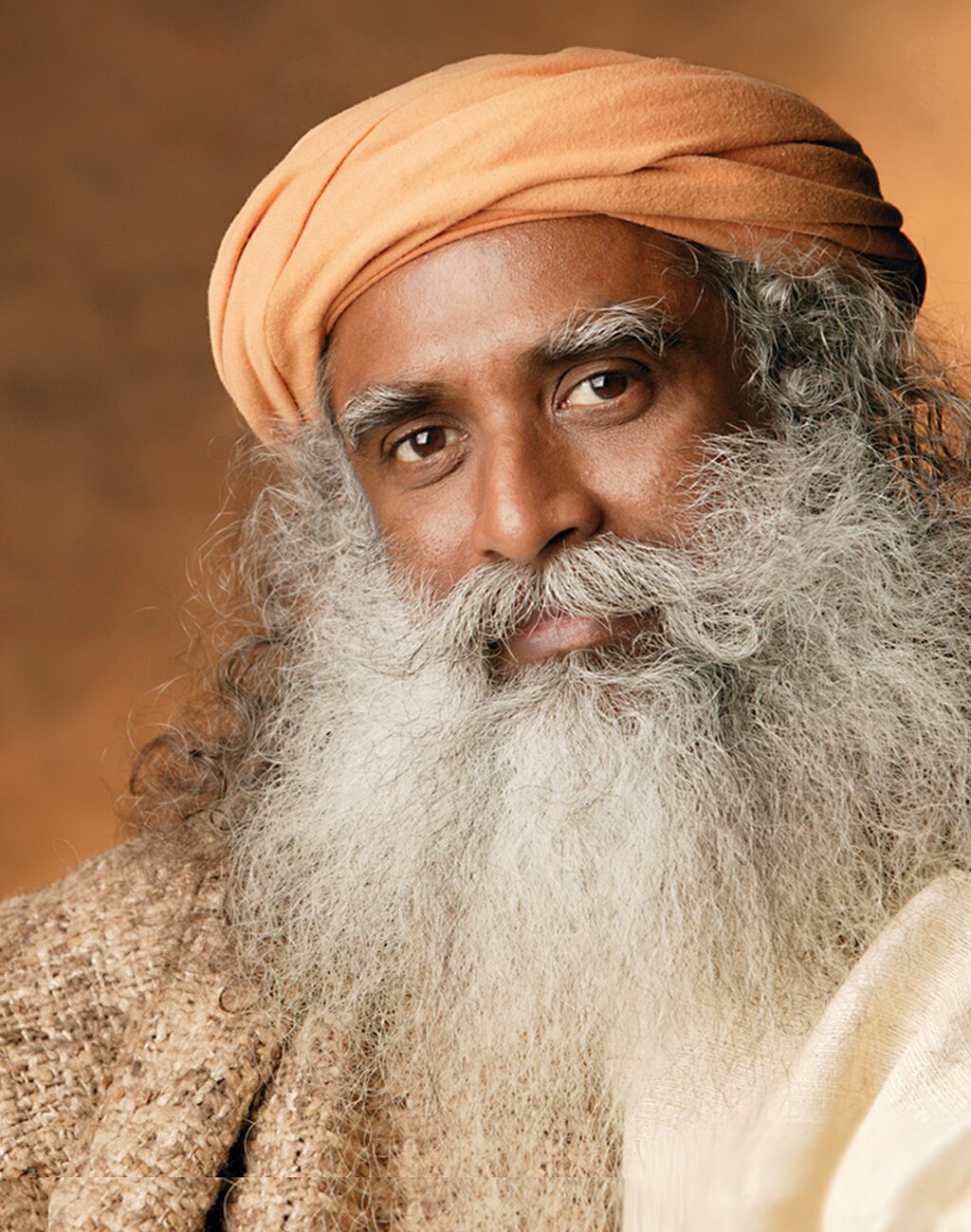
Sadhguru's assertion that "Karma means action — physical, mental, emotional. Karma is what you do," invites us to reflect deeply on the nature of our actions and their implications. At its core, this statement emphasizes the profound interconnectedness of our thoughts, feelings, and behaviors, urging us to take ownership of our choices. In a world often preoccupied with external circumstances, Sadhguru's words remind us that the essence of our existence is shaped by the actions we take, both seen and unseen. This understanding of karma serves as a compass, guiding us toward a more conscious and intentional way of living.
Delving deeper, we find that karma is not merely a concept of cause and effect; it is a dynamic interplay of intention and consequence. Each action we undertake, whether it be a thought, a word, or a deed, reverberates through the fabric of our lives and the lives of those around us. This holistic view of karma invites us to cultivate mindfulness in our daily interactions, recognizing that our actions are not isolated events but rather threads woven into the larger tapestry of existence. By embracing this perspective, we can begin to navigate our lives with greater awareness and responsibility.
The image / the metaphor
The imagery in Sadhguru's quote is rich and evocative, encapsulating the essence of karma as an active force in our lives. The use of the word "action" encompasses a broad spectrum of human experience, from the tangible movements of our bodies to the subtler currents of our thoughts and emotions. This multifaceted approach to karma invites us to consider the weight of our actions, suggesting that every choice we make carries significance. The verbs chosen — "do" — imply a sense of agency and responsibility, urging us to engage actively with our lives rather than passively observing them unfold.
Moreover, the metaphor of karma as action serves to illuminate the interconnectedness of our experiences. Just as ripples spread across a pond when a stone is thrown, our actions create waves that influence not only our own lives but also the lives of others. This understanding fosters a sense of empathy and compassion, as we begin to recognize that our actions have the power to uplift or diminish those around us. In this way, Sadhguru's words challenge us to be mindful stewards of our actions, aware of the impact they have on the collective human experience.
In the speaker's tradition
Within the tradition of yoga, karma is intricately linked to the concepts of dharma and the pursuit of spiritual growth. Dharma, often understood as one's duty or path, provides the ethical framework within which our actions take place. Sadhguru's emphasis on karma as action aligns with the yogic principle that our choices must be informed by a deeper understanding of our purpose and responsibilities. This interconnectedness of karma and dharma invites practitioners to engage in self-inquiry, examining how their actions align with their higher selves and the greater good.
Furthermore, the notion of karma resonates with the teachings found in ancient texts such as the Bhagavad Gita, where the concept of selfless action (karma yoga) is central to spiritual practice. In this text, Krishna advises Arjuna to act without attachment to the fruits of his labor, emphasizing that true liberation arises from performing one's duty with sincerity and devotion. Sadhguru's perspective on karma echoes this wisdom, reminding us that the quality of our actions is paramount, and that our journey toward self-realization is paved with the choices we make each day.
Living the teaching
Consider a modern scenario where Sadhguru's teaching on karma can be applied: a workplace environment filled with stress and competition. In such a setting, individuals may find themselves caught in a cycle of negative actions, driven by fear or ambition. By consciously choosing to act with kindness, collaboration, and integrity, one can begin to shift the dynamics of the workplace. This transformation not only enhances personal well-being but also fosters a culture of support and positivity, illustrating the ripple effect of mindful actions.
In the realm of relationships, Sadhguru's insights on karma can serve as a guiding light during challenging moments. Imagine a disagreement with a loved one, where emotions run high and misunderstandings abound. By taking a step back and reflecting on the nature of one's responses, an individual can choose to engage with empathy and understanding rather than defensiveness. This conscious choice to act with love and patience can pave the way for healing and deeper connection, demonstrating how our actions can either escalate conflict or nurture harmony.
A reflection
As we contemplate Sadhguru's profound statement on karma, we are invited to consider the nature of our own actions and their implications. What choices are we making in our daily lives, and how do they reflect our values and intentions? In moments of stillness, let us ask ourselves: How can I embody the principle of karma in a way that uplifts not only my own life but also the lives of those around me? This inquiry opens the door to deeper self-awareness and a more intentional approach to living.