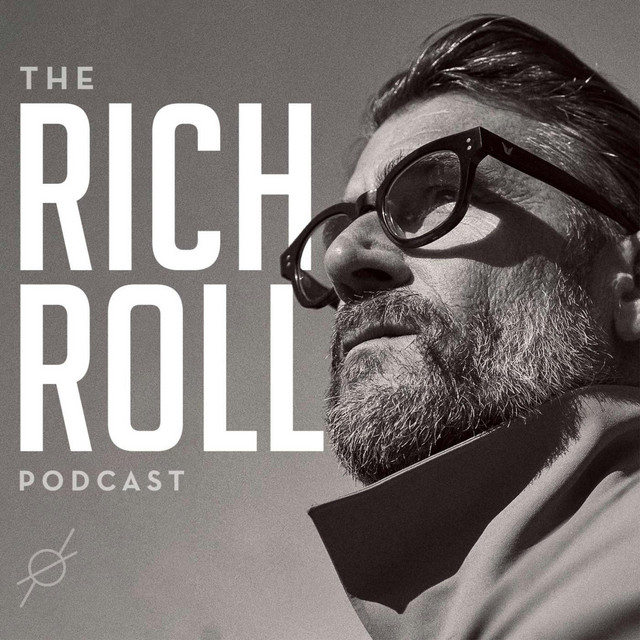
Transformative Endurance: The Journey from Stagnation to Vitality
Rich Roll's poignant declaration, "At age 40, I was 50 pounds overweight and headed nowhere. Endurance sport saved my life," encapsulates a profound personal metamorphosis. This statement is not merely a reflection on physical fitness; it is a testament to the power of resilience and the human spirit's capacity for renewal. The stakes are high, as Roll's journey illustrates the potential for transformation that lies within each of us, waiting to be awakened through commitment and perseverance.
In a world often characterized by complacency and inertia, Roll's narrative serves as a clarion call to those who find themselves at a crossroads. His experience underscores the reality that change is possible, even when one feels trapped in a cycle of despair. The notion of endurance sport as a life-saving force invites us to consider how our own struggles can lead to profound personal growth, urging us to embrace the discomfort of starting anew and the courage required to embark on a transformative journey.
The image / the metaphor
The imagery in Roll's quote is striking, evoking a visceral sense of struggle and redemption. The phrase "50 pounds overweight" paints a picture of physical burden, while "headed nowhere" conveys a sense of stagnation and hopelessness. These stark realities serve as a backdrop against which the transformative power of endurance sport emerges, suggesting that the act of pushing one's limits can lead to liberation and self-discovery.
Diving deeper into the metaphor, endurance sport symbolizes more than just physical activity; it embodies a philosophy of life that champions resilience, discipline, and the relentless pursuit of growth. The journey from being "overweight" to embracing endurance reflects a broader existential quest, where the starting line is not merely a physical location but a metaphor for the beginning of a new chapter. It invites us to confront our limitations and redefine our identities through the lens of perseverance and commitment.
In the speaker's tradition
Rich Roll's journey is situated within the rich tradition of triathlon, which emphasizes not only physical endurance but also mental fortitude and spiritual awakening. Concepts such as dharma, or one's path in life, resonate deeply with Roll's narrative. His commitment to endurance sport can be seen as an expression of kenosis, the self-emptying that allows for new possibilities to emerge. This journey is not merely about physical transformation; it is a holistic approach to life that integrates body, mind, and spirit.
In the context of triathlon literature, Roll's experience parallels the teachings found in works like "The Tao of Running" by Gary Dudney, which emphasizes the importance of mindfulness and presence in the act of running. Both texts highlight the idea that endurance sports can serve as a vehicle for self-discovery and personal growth, inviting practitioners to explore the depths of their potential while cultivating a deeper connection to themselves and the world around them.
Living the teaching
Consider a modern scenario where Roll's teaching resonates: an individual grappling with the demands of a high-stress job may find themselves feeling overwhelmed and disconnected from their true self. In this context, the act of engaging in a physical practice, such as running or cycling, can serve as a powerful antidote to the pressures of daily life. By committing to a routine that challenges them physically, they may discover not only improved health but also a renewed sense of purpose and clarity.
A reflection
As we reflect on Rich Roll's transformative journey, we are invited to consider our own lives and the areas where we may feel stuck or burdened. What would it mean for us to embrace the discomfort of change and take the first step toward our own endurance journey? In what ways can we cultivate resilience and commitment in our daily lives, allowing us to transcend our limitations and discover the vitality that lies within?