Embracing Suffering: The Transformative Power of Tonglen
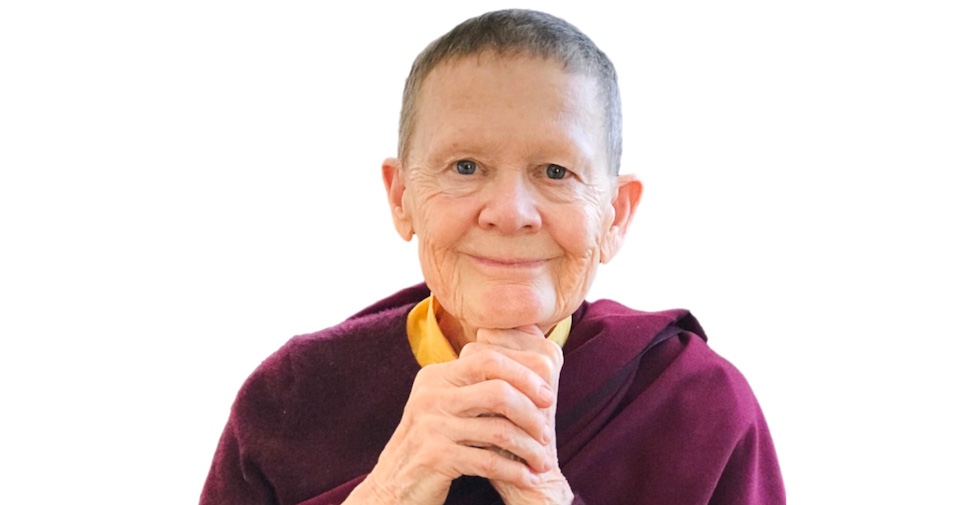
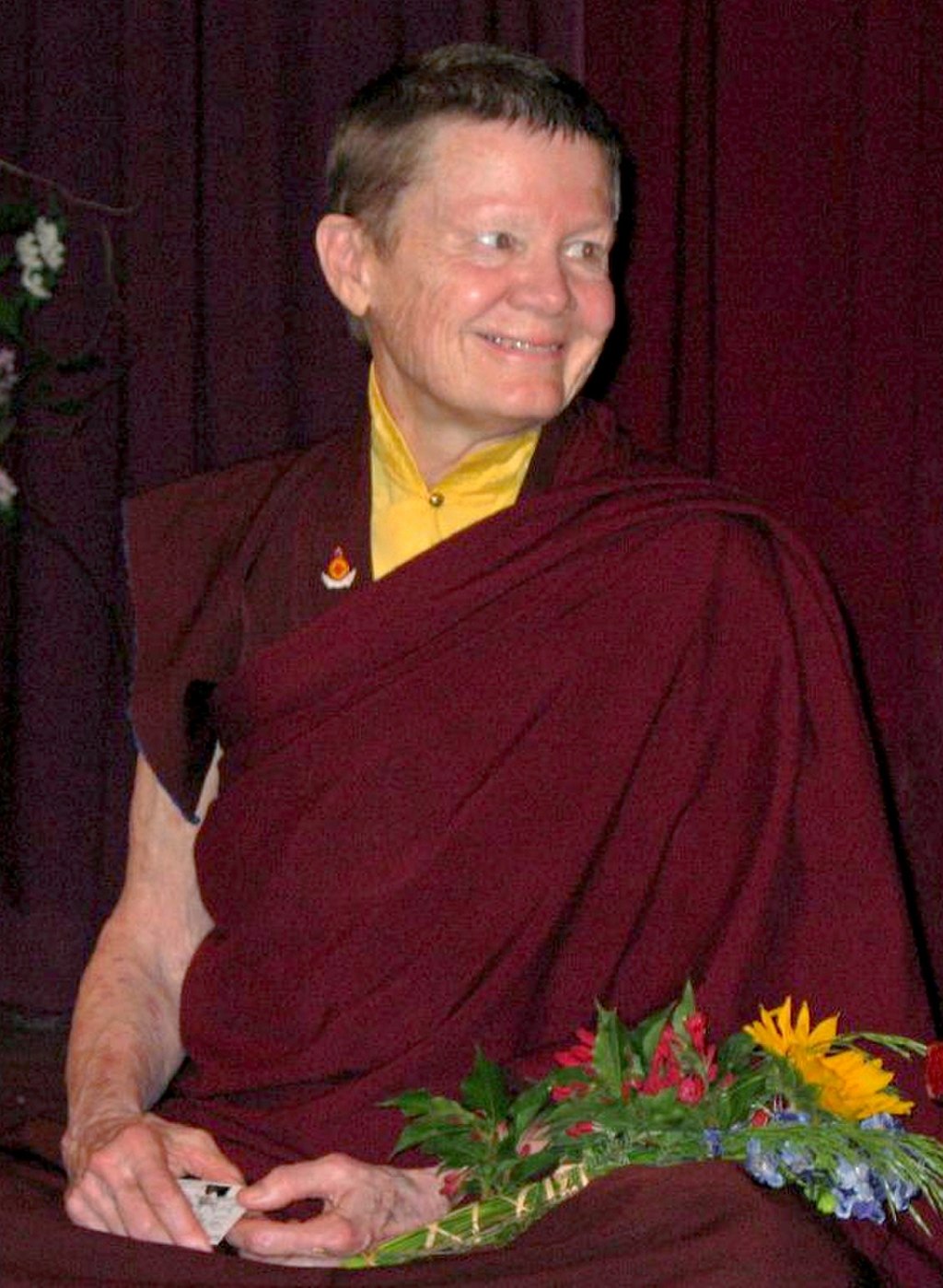
Pema Chödrön's assertion that "Tonglen reverses the usual logic of avoiding suffering and seeking pleasure" invites us to reconsider our instinctual responses to pain and discomfort. In a world that often prioritizes the pursuit of happiness and the evasion of suffering, this teaching challenges us to engage with our own suffering and that of others. By embracing this radical approach, we can cultivate a profound sense of connection and compassion, transforming our relationship with pain into a source of strength and understanding.
This perspective is not merely theoretical; it is a call to action that resonates deeply within the fabric of human experience. Tonglen, a Tibetan Buddhist practice, encourages us to breathe in the suffering of ourselves and others while exhaling love and compassion. This cyclical exchange not only fosters empathy but also dismantles the barriers that separate us from one another, revealing the interconnectedness of all beings. In a time when isolation and disconnection are prevalent, Chödrön's words remind us of the healing potential inherent in facing suffering head-on.
The image / the metaphor
The imagery of Tonglen is striking in its simplicity yet profound in its implications. The act of breathing in suffering and breathing out compassion creates a vivid metaphor for the human experience. The verbs "reverses," "avoiding," and "seeking" evoke a dynamic interplay between our instinctual reactions and the conscious choices we can make. This practice invites us to visualize suffering not as a burden to be cast aside but as a shared reality that can be transformed through our intentional engagement.
In the speaker's tradition
Pema Chödrön's teachings are rooted in the rich tradition of Tibetan Buddhism, where concepts such as dharma and sunyata (emptiness) play a crucial role in understanding the nature of suffering. The practice of Tonglen aligns with the Buddhist principle of compassion (karuna), which emphasizes the importance of recognizing and alleviating the suffering of others. This approach echoes the idea of kenosis, or self-emptying, where one relinquishes the ego's desires in favor of a more profound connection with the collective experience of suffering.
In her book, "The Wisdom of No Escape," Chödrön draws upon the teachings of the Buddha, who emphasized the Four Noble Truths, particularly the truth of suffering (dukkha). This foundational concept serves as a reminder that suffering is an inherent part of life, and by acknowledging it, we can begin to cultivate a deeper understanding of ourselves and others. The practice of Tonglen becomes a means of embodying this wisdom, transforming our relationship with suffering into a source of insight and compassion.
Living the teaching
Consider a modern scenario where the practice of Tonglen can be applied: a friend confides in you about their struggles with anxiety and depression. Your instinct may be to offer platitudes or to change the subject, seeking to alleviate discomfort. However, by practicing Tonglen, you can consciously breathe in their suffering, allowing yourself to fully connect with their experience. In doing so, you create a space of empathy and understanding, offering them the gift of your presence and compassion.
Another application of this teaching can be found within the context of a difficult relationship. When faced with conflict or misunderstanding, it is easy to retreat into defensiveness or blame. Instead, by engaging in Tonglen, you can breathe in the tension and pain of the situation, acknowledging the shared suffering that exists between you and the other person. As you exhale compassion, you may find that the barriers of resentment begin to dissolve, allowing for a more open and honest dialogue that fosters healing and connection.
A reflection
As we contemplate Pema Chödrön's words, we are invited to reflect on our own relationship with suffering. How often do we seek to avoid discomfort rather than embracing it as a pathway to connection? In what ways can we practice Tonglen in our daily lives, transforming our pain into compassion for ourselves and others? This contemplative inquiry encourages us to explore the depths of our experiences, revealing the profound interconnectedness that lies at the heart of our shared humanity.