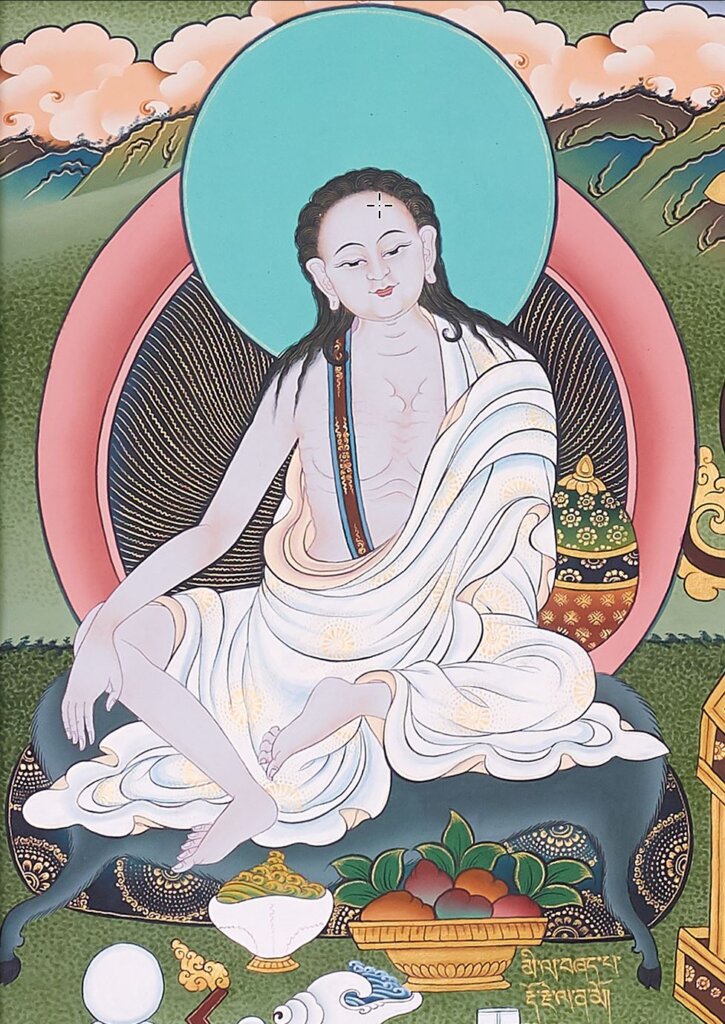
The Dance of Impermanence: Embracing the Rise and Fall
Milarepa's poignant observation, "What rises will fall," encapsulates the essence of impermanence that permeates our existence. This statement serves as a reminder that all things, whether they be emotions, relationships, or material possessions, are transient. Understanding this truth can liberate us from the shackles of attachment and the fear of loss, allowing us to navigate life with greater equanimity. In a world that often glorifies permanence and stability, Milarepa invites us to embrace the natural ebb and flow of life.
At its core, this quote challenges us to reflect on the cyclical nature of existence. It urges us to recognize that every peak of joy or success is inevitably followed by a valley of sorrow or decline. This awareness is not meant to instill despair but rather to cultivate a profound appreciation for the present moment. By acknowledging the impermanence of all things, we can learn to cherish our experiences without clinging to them, fostering a deeper sense of peace and acceptance in our lives.
The image / the metaphor
The imagery in Milarepa's words evokes a powerful sense of movement and transformation. The verbs "rises" and "falls" suggest a dynamic process, one that is both natural and inevitable. This dance of ascent and descent mirrors the cycles of nature, where the sun rises and sets, the seasons change, and life flourishes only to wither away. The felt sense of this quote is one of fluidity, encouraging us to witness the unfolding of life without resistance, to understand that every high point is balanced by a low point.
In the speaker's tradition
Milarepa, a revered figure in Tibetan Buddhism, embodies the teachings of impermanence and transformation. His life story is a testament to the principles of dharma, the path of righteousness and truth. In Buddhist philosophy, the concept of sunyata, or emptiness, aligns closely with the idea that all phenomena are transient and devoid of inherent existence. This understanding encourages practitioners to cultivate a sense of detachment from the transient nature of life, fostering a deeper connection to the present moment.
In the context of Milarepa's teachings, we can draw parallels to the notion of kenosis, the self-emptying of one's desires and attachments. This process allows for the realization of one's true nature, free from the burdens of ego and expectation. The Tibetan Book of the Dead, or Bardo Thodol, further emphasizes the importance of recognizing the impermanence of life and the inevitability of death, urging practitioners to prepare for the transitions that lie ahead. Milarepa's quote serves as a poignant reminder of this fundamental truth, inviting us to live fully in each moment while remaining aware of the impermanent nature of our experiences.
Living the teaching
Consider a modern scenario where this teaching resonates deeply: the experience of career advancement. Many individuals strive for promotions or accolades, often believing that achieving these milestones will bring lasting happiness. However, the reality is that such achievements are often fleeting, and the joy they bring can quickly dissipate. By internalizing Milarepa's wisdom, one can approach career aspirations with a sense of balance, recognizing that while success may rise, it is equally important to prepare for the inevitable challenges and changes that follow.
In the realm of relationships, the teaching of impermanence can be particularly transformative. When we cherish our connections without clinging to them, we allow for a more authentic and fulfilling experience. For instance, during moments of conflict or misunderstanding, remembering that "what rises will fall" can help us navigate the turbulence with grace. Instead of fearing the potential end of a relationship, we can embrace the opportunity for growth and healing, understanding that every challenge can lead to a deeper bond if approached with love and openness.
A reflection
As we contemplate Milarepa's profound insight, we are invited to explore our relationship with impermanence. How do we respond to the inevitable rises and falls in our lives? Are we able to embrace the fleeting nature of joy and sorrow, or do we cling to moments, fearing their loss? In this light, consider this contemplative question: What would it mean for you to fully accept the impermanence of your experiences, allowing each rise and fall to enrich your journey rather than define it?
