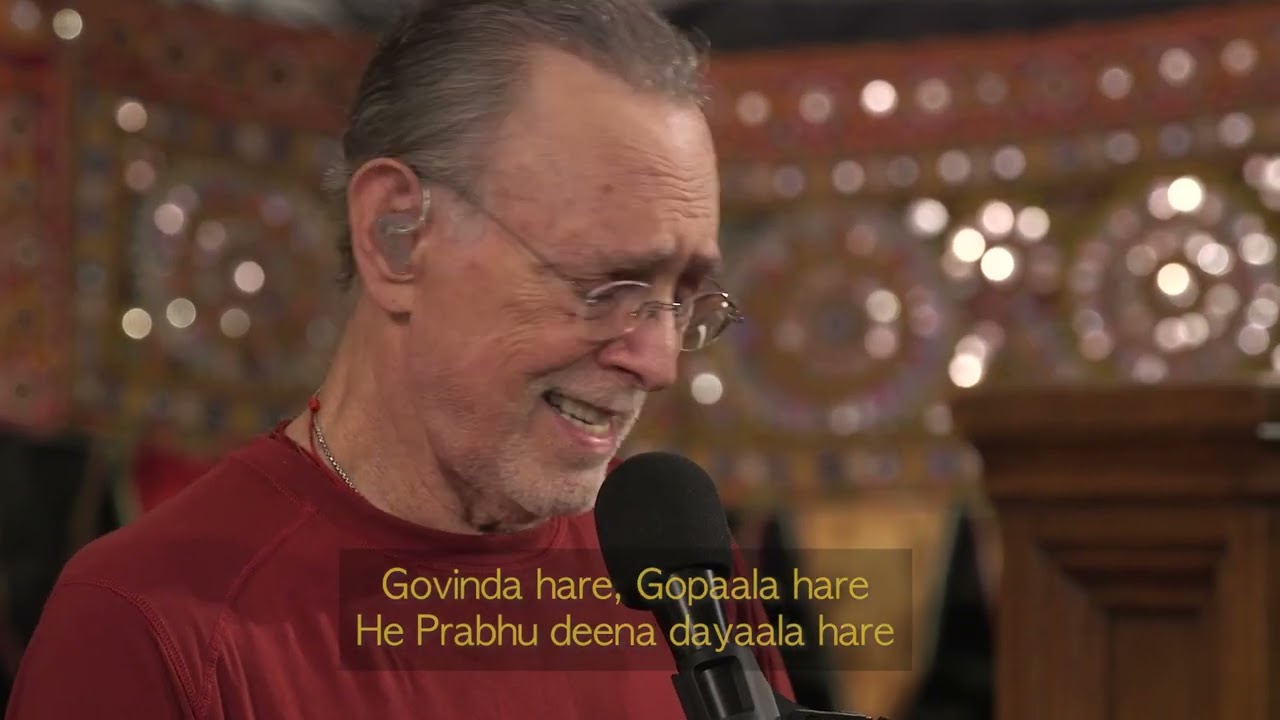
In the simple yet profound statement, "Love everyone. That's the whole teaching," Krishna Das encapsulates the essence of a spiritual journey rooted in bhakti, or devotion. This teaching, while deceptively straightforward, invites us to explore the depths of love as a transformative force in our lives. It challenges us to consider the implications of unconditional love, not only for others but also for ourselves, and highlights the interconnectedness of all beings. In a world often marked by division and strife, this message resonates with a timeless urgency, urging us to embrace love as the foundation of our existence.
Delving deeper, we find that this teaching is not merely a call to action but a profound invitation to embody love in its purest form. It asks us to transcend the barriers of ego, judgment, and fear that often cloud our perceptions of others. By loving everyone, we are invited to recognize the divine spark within each individual, fostering a sense of unity that transcends the superficial differences that often divide us. This perspective not only enriches our relationships but also cultivates a deeper understanding of our shared humanity, reminding us that love is the ultimate teacher.
The image / the metaphor
At its core, the quote evokes a vivid image of love as an all-encompassing force. The verb "love" is an active engagement, suggesting that this is not a passive state but a dynamic practice. To "love everyone" implies a commitment to seeing beyond the surface, to recognize the inherent worth and dignity of each person we encounter. This act of loving is not limited to those who are easy to love; it extends to those who challenge us, those who provoke our discomfort, and those who may seem unlovable. In this way, the quote serves as a powerful reminder that love is a choice we make, a practice we cultivate, and a path we walk.
Digging deeper into the metaphor, we can see that love is portrayed as a universal thread that weaves through the fabric of existence. It is an invitation to dissolve the boundaries of self and other, to embrace a sense of oneness that is often obscured by our individual experiences. This expansive view of love encourages us to let go of the need for validation or reciprocity, allowing us to give freely and openly. In this sense, love becomes a transformative force, capable of healing wounds, bridging divides, and fostering a sense of belonging in a fragmented world.
In the speaker's tradition
Krishna Das, a prominent figure in the bhakti tradition, draws upon the rich tapestry of devotional practices that emphasize love and surrender to the divine. Central to this tradition is the concept of bhakti itself, which embodies a deep, personal devotion to God or the divine. This devotion is often expressed through acts of love, service, and compassion towards all beings. In bhakti, love is not merely an emotion but a spiritual practice that cultivates humility, selflessness, and a profound connection to the divine essence that resides in everyone.
To further illuminate this teaching, we can reference the Bhagavad Gita, a foundational text in the bhakti tradition. In Chapter 12, verses 13-14, Krishna speaks of the qualities of a true devotee, emphasizing the importance of being free from malice, compassionate, and devoted to all beings. This aligns seamlessly with Krishna Das's teaching, reinforcing the idea that love is the highest form of spiritual practice. By embodying these qualities, we not only honor our own spiritual journey but also contribute to the collective awakening of love in the world.
Living the teaching
Consider a modern scenario where this teaching can be applied: a workplace filled with diverse personalities and opinions. In such an environment, it is easy to become frustrated or judgmental towards colleagues who may not share our views or work ethic. However, by consciously choosing to love everyone, we can shift our perspective. This does not mean we must agree with everyone or overlook harmful behavior, but rather that we approach each interaction with compassion and understanding. By fostering a culture of love and respect, we can create a more harmonious and productive workplace, ultimately benefiting everyone involved.
Another application of this teaching can be found in our personal relationships, particularly during challenging moments. Imagine a disagreement with a loved one that escalates into hurtful words and emotions. In such instances, the teaching to "love everyone" invites us to pause and reflect on the underlying love that brought us together in the first place. By choosing to respond with love rather than defensiveness, we can create space for healing and reconciliation. This practice not only strengthens our bonds but also deepens our understanding of love as a transformative force in our lives.
A reflection
As we contemplate Krishna Das's profound teaching, we are left with a contemplative question: How can I cultivate a practice of love that extends beyond my comfort zone, embracing those I find difficult to love? This inquiry invites us to explore the barriers we erect in our hearts and to consider how we might dismantle them. In doing so, we open ourselves to the possibility of profound transformation, both within ourselves and in our relationships with others.