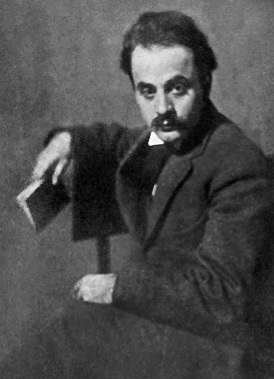
Kahlil Gibran invites us to reconsider our desires through the lens of love, suggesting that if we must have desires, they should be akin to the gentle flow of a brook, singing its melody to the night. This metaphor speaks to the transformative power of love, urging us to let go of rigid attachments and instead embrace a fluid, harmonious existence. In a world often dominated by materialistic pursuits and self-serving ambitions, Gibran's words remind us of the beauty found in surrendering to love's natural rhythm.
To melt and become like a running brook is to embody a state of being that transcends mere existence. It is an invitation to cultivate a heart that flows freely, nurturing both ourselves and those around us. This desire for fluidity and connection resonates deeply within the human experience, as we seek to harmonize our inner lives with the outer world. Gibran's poetic vision encourages us to reflect on how our desires can align with a greater purpose, one that celebrates the interconnectedness of all life.
The image / the metaphor
The imagery of a running brook evokes a sense of serenity and continuity, suggesting a life lived in harmony with nature and the universe. The verbs "melt" and "sing" are particularly poignant; they imply a relinquishing of control and an embrace of vulnerability. To melt is to dissolve boundaries, allowing oneself to be shaped by the currents of love and experience. The brook's melody, a symbol of joy and expression, suggests that our desires, when aligned with love, can create beauty and resonance in the world around us.
Diving deeper into this metaphor, we can see that the brook represents not only the flow of love but also the inevitability of change. Just as a brook carves its path through the landscape, so too do our desires shape our journey through life. The act of singing implies a joyful acceptance of this journey, a celebration of the present moment. In this way, Gibran encourages us to embrace our desires as part of a larger symphony, where each note contributes to the overall harmony of existence.
In the speaker's tradition
Kahlil Gibran's work is steeped in the tradition of Christian mysticism, which emphasizes the transformative power of love and the importance of surrendering the self to a higher reality. Concepts such as kenosis, or self-emptying, resonate deeply with Gibran's call to melt into love. This idea of letting go of the ego to allow for a greater connection with the divine mirrors the essence of Gibran's message: that true fulfillment comes from aligning our desires with love's flow rather than clinging to personal ambitions.
In Gibran's "The Prophet," we find echoes of this sentiment in the discourse on love, where he articulates the dual nature of love as both a source of joy and a catalyst for transformation. The text invites readers to recognize that love is not merely an emotion but a profound force that shapes our existence. This aligns with the mystical understanding found in other traditions, such as the concept of bhakti in Hinduism, which emphasizes devotion and surrender to the divine as a path to spiritual fulfillment.
Living the teaching
Consider a modern scenario where the pressures of daily life weigh heavily on an individual. In the pursuit of career success, one might find themselves entangled in a web of ambition, forgetting the importance of connection and joy. By embracing Gibran's teaching, this person could shift their focus from relentless striving to a more fluid approach, allowing their desires to align with love. This could manifest as a commitment to nurturing relationships, engaging in creative pursuits, or simply taking time to appreciate the beauty of the world around them.
In the context of relationships, Gibran's message offers a profound insight into how we can navigate challenges with grace. When faced with conflict or misunderstanding, we might be tempted to cling to our perspectives, seeking to assert our desires over those of our loved ones. However, by embodying the essence of the running brook, we can approach these moments with a spirit of openness and vulnerability. This allows for a deeper connection, where love becomes the guiding force that harmonizes our differences and fosters understanding.
A reflection
As we contemplate Gibran's invitation to let our desires flow like a running brook, we are called to examine the nature of our own desires. Are they rooted in love, or do they stem from fear and attachment? In this moment of reflection, consider: How can you allow your desires to melt into the greater flow of love in your life? What would it mean for you to sing your melody to the night, embracing the beauty of surrender and connection?
