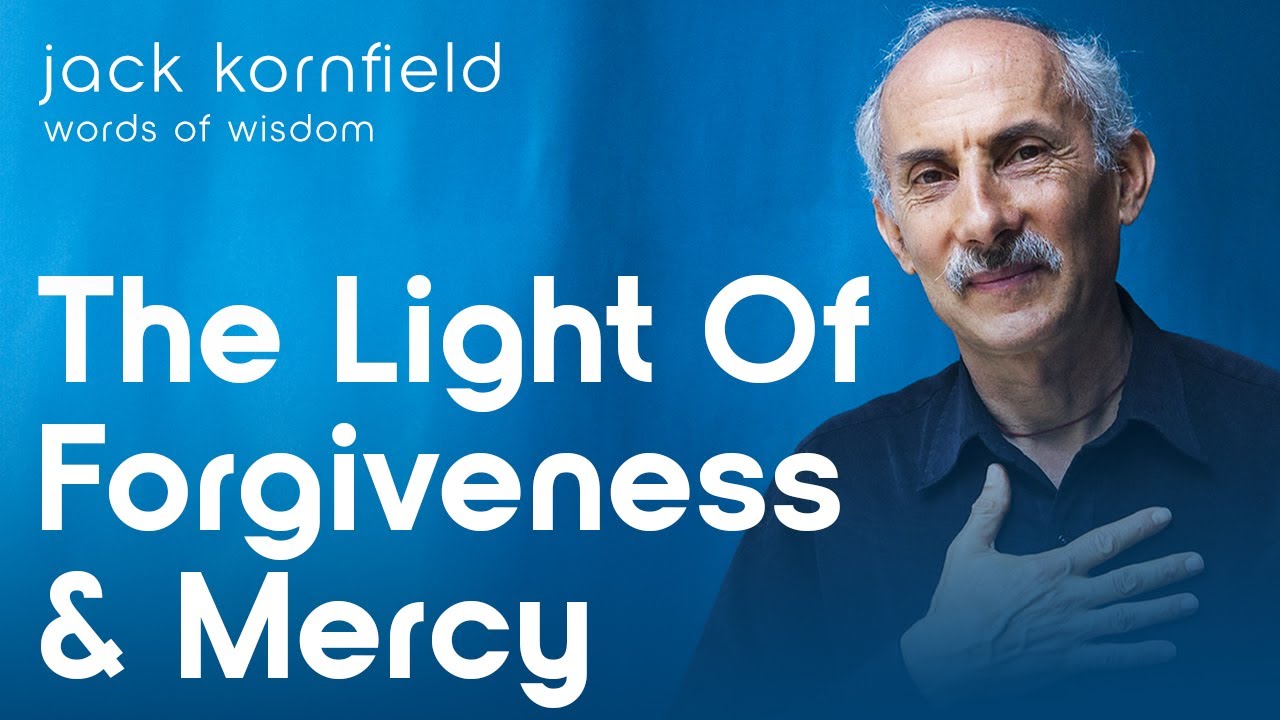
Jack Kornfield's poignant assertion, "What we cultivate in our hearts will become the world we live in," invites us to reflect deeply on the relationship between our inner emotional landscapes and the external realities we experience. This statement emphasizes the profound impact of our inner cultivation—our thoughts, feelings, and intentions—on the world around us. As we navigate the complexities of life, understanding this connection becomes crucial, for it suggests that our personal growth and emotional health are not merely private matters but foundational to the collective experience of humanity.
In a world often marked by chaos and division, Kornfield's words serve as a gentle reminder of the power we hold within ourselves. The cultivation of compassion, love, and understanding in our hearts can transform not only our individual lives but also the communities we inhabit. This teaching encourages us to take responsibility for our emotional states, recognizing that the seeds we plant within can blossom into a more harmonious existence, both personally and collectively. It is an invitation to engage in a conscious practice of nurturing our hearts, which ultimately shapes the world we encounter.
The image / the metaphor
The imagery in Kornfield's quote evokes a garden, a space where careful attention and nurturing can yield vibrant life. The act of cultivation suggests a deliberate process, one that requires patience, care, and intention. The heart, often seen as the seat of our emotions and intentions, becomes the fertile ground from which our experiences grow. The verbs "cultivate" and "become" highlight a dynamic relationship; what we actively nurture within ourselves will inevitably manifest in our external reality. This metaphor invites us to consider the quality of the seeds we are planting—are they filled with love, kindness, and understanding, or are they tinged with fear, resentment, and anger?
Diving deeper into this metaphor, we can see that cultivation is not a passive act but an ongoing practice. Just as a gardener must tend to weeds and pests, we too must confront the negative emotions and thoughts that arise within us. This requires a commitment to mindfulness and self-awareness, allowing us to discern what we truly wish to nurture. The heart's garden is not merely a reflection of our current state but a potential landscape of what we can cultivate through conscious effort. In this way, Kornfield's words become a call to action, urging us to engage in the transformative work of tending to our inner lives.
In the speaker's tradition
In his work, Kornfield often draws upon the teachings of the Buddha, who emphasized the importance of intention in shaping our experiences. The Dhammapada, a collection of sayings attributed to the Buddha, states, "All that we are is the result of what we have thought." This echoes Kornfield's assertion that our inner cultivation directly influences the world we inhabit. By aligning our thoughts and intentions with compassion and wisdom, we can create a more harmonious existence, both within ourselves and in our interactions with others. Thus, Kornfield's teaching is not only a personal invitation but also a reflection of a profound spiritual truth found within the heart of Buddhism.
Living the teaching
Consider a modern scenario where Kornfield's teaching can be applied: a workplace filled with tension and competition. In such an environment, individuals may feel pressured to prioritize personal success over collaboration and kindness. However, if one chooses to cultivate a heart of compassion and understanding, this can shift the dynamics of the workplace. By approaching colleagues with empathy and a willingness to listen, one can create a ripple effect that transforms the atmosphere, fostering cooperation and mutual respect. This illustrates how the cultivation of positive emotions can lead to a more supportive and productive environment, ultimately changing the collective experience of the workplace.
Another application of this teaching can be found in personal relationships, particularly during moments of conflict. When disagreements arise, it is easy to succumb to anger or frustration, allowing negative emotions to dictate our responses. However, by consciously choosing to cultivate patience and understanding in our hearts, we can approach these situations with a clearer perspective. This practice not only helps to de-escalate tensions but also paves the way for deeper connection and healing. In this way, Kornfield's message serves as a guiding principle for navigating the complexities of human relationships, reminding us that our inner cultivation directly influences the quality of our interactions.
A reflection
As we contemplate Kornfield's profound insight, we are invited to consider the state of our own hearts and the world we are co-creating. What seeds are we currently nurturing within ourselves? Are they filled with love, compassion, and understanding, or are they overshadowed by fear and negativity? Reflecting on these questions can illuminate the ways in which our inner lives shape our external realities. In this moment of contemplation, let us ask ourselves: How can I actively cultivate a heart that contributes to a more compassionate and harmonious world?