Reflections on the Stillness of Being
In the words of Dōgen, "The moon does not get wet, nor is the water broken," we encounter a profound exploration of non-duality and the nature of existence. This quote invites us to consider the relationship between perception and reality, suggesting that while we may experience the world in dualistic terms, the essence of being remains untouched and whole. The stakes of this teaching lie in our ability to navigate the complexities of life without losing sight of the fundamental unity that underlies all things.
As we delve deeper into this statement, we find a rich tapestry of meaning woven into its simplicity. Dōgen's words challenge us to reflect on the nature of our experiences and the ways in which we perceive separation in our lives. By contemplating the moon and the water, we are encouraged to recognize that our experiences, however turbulent or chaotic, do not alter the fundamental nature of our being. This understanding becomes a gateway to intimacy with ourselves and the world, fostering a sense of peace that transcends the fluctuations of daily life.
The image / the metaphor
At first glance, the imagery of the moon and water evokes a serene and tranquil scene, where the moon, a symbol of illumination and clarity, remains unaffected by the water's surface. The verbs chosen—"does not get wet" and "is not broken"—suggest a steadfastness and resilience inherent in the moon's essence. This imagery invites us to consider how external circumstances may influence our perceptions but do not alter our true nature. The moon, in its stillness, reflects the light of the sun, just as we, in our essence, reflect the deeper truths of existence.
Dōgen's metaphor extends beyond the literal, inviting us to explore the deeper implications of non-duality. The moon's detachment from the water serves as a reminder that our experiences, emotions, and thoughts are transient and do not define us. Instead, they are reflections of a deeper reality, akin to the way the moon's light dances upon the water's surface. This understanding encourages us to cultivate a sense of intimacy with our own experiences while recognizing their impermanent nature, allowing us to engage with life more fully without being overwhelmed by it.
In the speaker's tradition
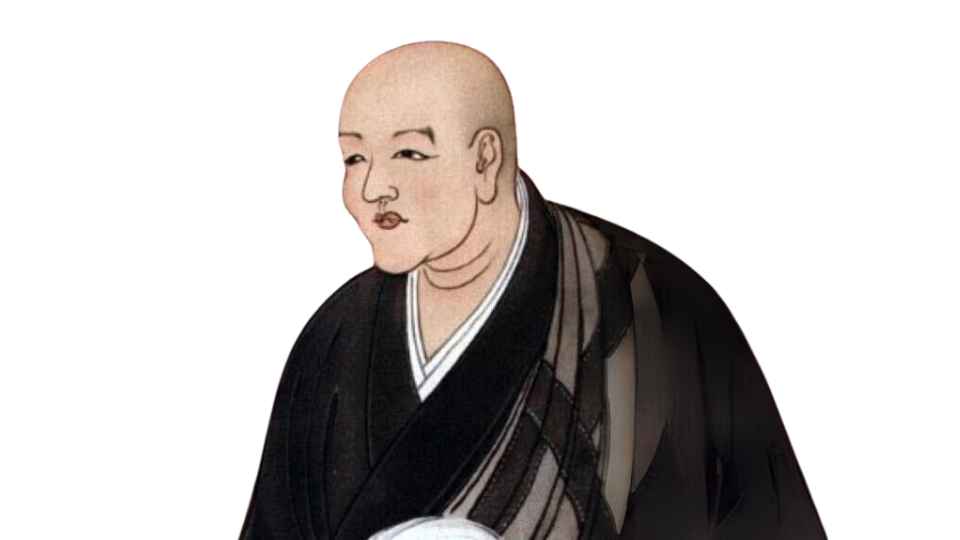
Dōgen, a pivotal figure in Zen Buddhism, emphasizes the interconnectedness of all things through his teachings. His philosophy is deeply rooted in concepts such as sunyata (emptiness) and prajna (wisdom), which highlight the non-dual nature of existence. In this context, the quote serves as a reminder that our perceptions of separation are illusions, and that true understanding arises from recognizing the inherent unity of all phenomena. This perspective aligns with the Zen practice of zazen, or seated meditation, where practitioners cultivate awareness of their thoughts and feelings without attachment, allowing them to glimpse the deeper truths of their being.
In his seminal work, "Genjokoan," Dōgen articulates the idea that the realization of one's true nature is not separate from the world but is, in fact, the world itself. This teaching resonates with the notion of kenosis, or self-emptying, found in various spiritual traditions, where the relinquishing of the ego allows for a fuller experience of reality. By embracing the essence of the moon and the water, we are invited to let go of our attachments and preconceptions, opening ourselves to the profound wisdom that arises from the stillness of being.
Living the teaching
Consider a modern scenario where this teaching might resonate: a challenging day at work filled with stress and conflict. In such moments, it is easy to feel overwhelmed, as if the chaos of the environment is seeping into our very being. However, by reflecting on Dōgen's words, we can cultivate a sense of detachment, recognizing that while the external circumstances may be turbulent, our inner essence remains untouched. This perspective allows us to navigate the challenges with grace, responding thoughtfully rather than reacting impulsively, and ultimately finding peace amidst the storm.
In the realm of relationships, Dōgen's teaching can serve as a guiding light during difficult moments. When misunderstandings arise, it is common to feel as though our connection is fractured. Yet, by embodying the essence of the moon and the water, we can approach these situations with a sense of intimacy and understanding. Recognizing that our emotions and reactions are transient, we can engage in open communication, allowing the deeper bond of love and connection to shine through, unbroken by the surface tensions of the moment.
A reflection
As we contemplate Dōgen's profound insight, we are invited to ask ourselves: In what ways do I perceive separation in my life, and how might I cultivate a deeper understanding of my true nature? This question encourages us to explore the layers of our experiences, inviting us to recognize the unity that exists beneath the surface. By engaging with this inquiry, we can begin to embody the stillness of the moon, allowing our lives to reflect the wisdom of non-duality and the intimacy that arises from recognizing our interconnectedness with all beings.


