Reflections Beyond the Surface
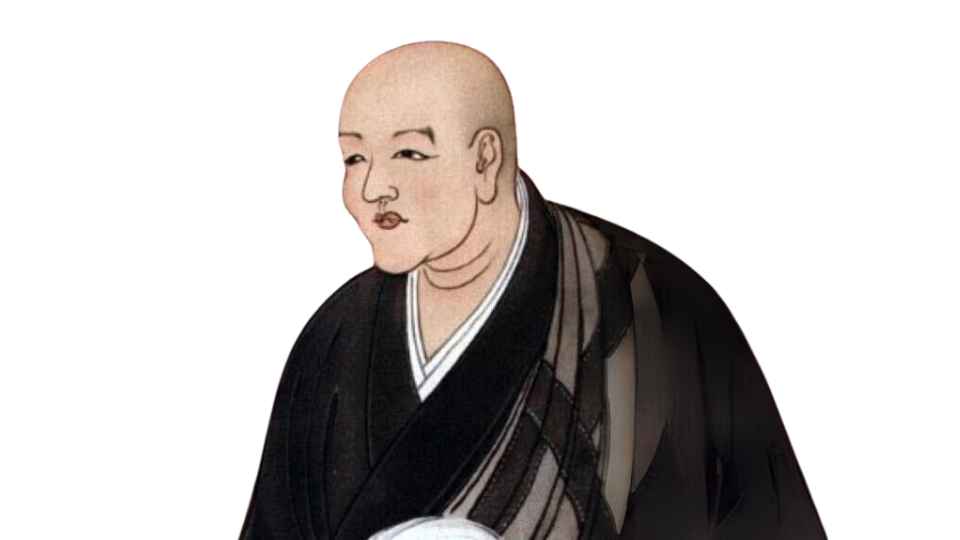
Dōgen's assertion, "It is not like the moon in water," invites us to explore the nature of perception and reality. This seemingly simple statement carries profound implications for our understanding of existence and the way we engage with the world around us. It challenges us to consider the difference between mere reflection and true intimacy with the essence of things, urging us to look beyond superficial appearances to grasp the deeper truths that lie beneath.
In a world often dominated by illusion and distraction, Dōgen's words resonate with a timeless urgency. They beckon us to cultivate a discerning awareness that transcends the fleeting images we encounter. By recognizing the distinction between the moon's reflection in water and the moon itself, we are invited to engage in a more profound relationship with our experiences, one that fosters genuine understanding and connection rather than mere observation.
The image / the metaphor
The imagery of the moon and water evokes a sense of beauty and tranquility, yet it also highlights the ephemeral nature of reflections. The moon, a symbol of illumination and clarity, contrasts sharply with the water, which serves as a medium that distorts and alters its appearance. Dōgen's choice of words emphasizes the act of perception itself, suggesting that what we often see is not the essence of reality but rather a fleeting image that can mislead us.
Diving deeper into this metaphor, we can discern layers of meaning that speak to the nature of our consciousness. The moon represents the ultimate truth or enlightenment, while the water symbolizes our conditioned mind, which can obscure or distort that truth. This interplay between clarity and distortion invites us to examine how our perceptions shape our understanding of reality, urging us to seek a direct experience of the truth rather than settling for mere reflections.
In the speaker's tradition
Dōgen, a pivotal figure in Zen Buddhism, emphasizes the importance of direct experience and the realization of one's true nature. His teachings often revolve around concepts such as *sunyata* (emptiness) and *prajna* (wisdom), which encourage practitioners to look beyond superficial appearances to uncover the underlying reality of existence. In this context, the moon in water serves as a poignant reminder of the illusions that can arise from our perceptions, urging us to cultivate a deeper awareness of the interconnectedness of all things.
In his seminal work, *Genjokoan*, Dōgen explores the relationship between form and emptiness, illustrating how our understanding of reality is often clouded by our attachments and misconceptions. He invites us to engage with the world directly, free from the distortions of our conditioned minds. This teaching resonates with the Zen practice of *zazen*, or seated meditation, which serves as a means to quiet the mind and cultivate a direct experience of reality, allowing us to see beyond the reflections that often mislead us.
Living the teaching
Consider a modern scenario where this teaching might resonate: a conversation with a friend who is sharing their struggles. In this moment, one might be tempted to offer advice based solely on surface-level observations, missing the deeper emotional currents at play. By recognizing that the reflections of their words may not capture the full essence of their experience, we can approach the conversation with greater empathy and presence, allowing for a more authentic connection that transcends mere words.
In another context, think about a challenging moment in a relationship where misunderstandings arise. Often, we perceive our partner's actions through a distorted lens, interpreting their behavior based on our fears or insecurities. By applying Dōgen's teaching, we can strive to look beyond these reflections, seeking to understand the underlying motivations and emotions that drive our interactions. This shift in perception fosters intimacy and compassion, allowing us to navigate difficulties with greater clarity and connection.
A reflection
As we contemplate Dōgen's profound statement, we are invited to ask ourselves: In what ways do I allow the reflections of my perceptions to cloud my understanding of reality? This question encourages us to engage in a deeper inquiry into our experiences, challenging us to discern the essence of our interactions and perceptions. By embracing this contemplative practice, we can cultivate a more authentic relationship with ourselves and the world around us, moving beyond mere reflections to discover the illuminating truth that lies beneath.


