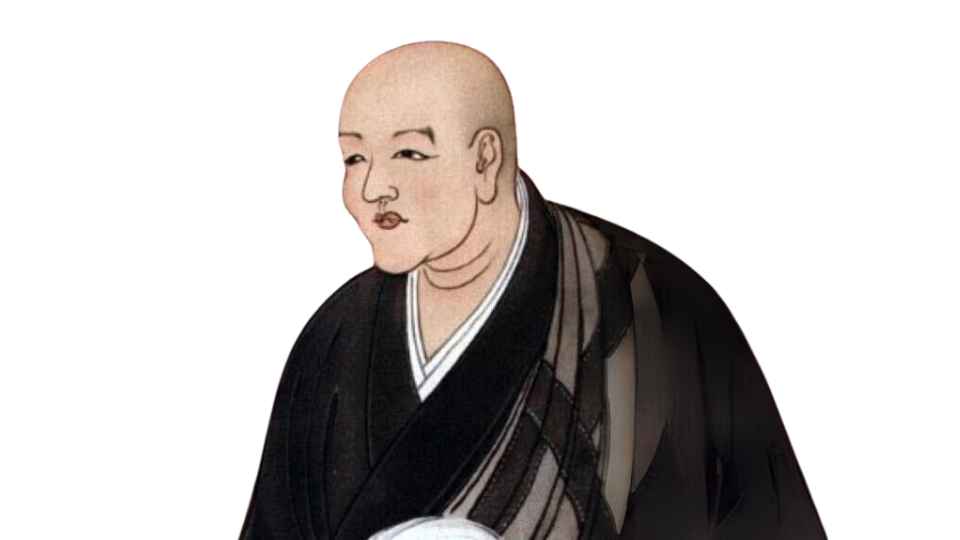
Seeing Beyond the Surface: The Depth of Dōgen's Insight
Dōgen's poignant observation, "Although there are many features, you only see the part within sight," invites us to reflect on the limitations of our perception. This quote serves as a reminder that our understanding of reality is often constrained by our immediate experiences and the narrow scope of our vision. In a world filled with complexity and nuance, recognizing the boundaries of our sight can lead to deeper insights and a more profound engagement with life. The stakes are high, as this awareness can transform our interactions and our understanding of ourselves and others.
As we delve deeper into Dōgen's wisdom, we uncover layers of meaning that challenge us to expand our awareness. The quote suggests that while we may perceive only a fraction of the whole, there exists a vast expanse beyond our immediate grasp. This notion resonates with the Zen practice of mindfulness, where the goal is to cultivate a heightened awareness of the present moment. By acknowledging the limitations of our perception, we open ourselves to the possibility of seeing beyond the surface and embracing the richness of existence.
The image / the metaphor
At first glance, Dōgen's words evoke a vivid image of a landscape obscured by fog, where only a portion of the scenery is visible. The phrase "many features" suggests a complexity that lies beyond our immediate sight, while "the part within sight" emphasizes the limitations of our perception. The verbs chosen—"see" and "within"—imply an active engagement with the world, yet they also highlight the constraints imposed by our own awareness. This imagery invites us to consider what lies beyond our immediate understanding and to question the assumptions we make based on limited information.
Dōgen's metaphor extends beyond mere visual perception; it speaks to the nature of reality itself. Just as a mountain may appear majestic from one angle while revealing hidden valleys from another, our understanding of life is shaped by the perspectives we adopt. This metaphor encourages us to explore the unseen dimensions of our experiences, prompting us to ask what we might be missing in our interactions with the world and with ourselves. In this way, Dōgen invites us to cultivate a deeper, more expansive vision that transcends the superficial.
In the speaker's tradition
Dōgen, a seminal figure in Zen Buddhism, emphasizes the importance of direct experience and the limitations of conceptual thinking. His teachings often revolve around the concepts of sunyata (emptiness) and prajna (wisdom), which encourage practitioners to look beyond the surface of phenomena. In Zen, the idea of kenosis, or self-emptying, aligns with Dōgen's insight, as it invites us to relinquish our preconceived notions and open ourselves to the fullness of existence. This process of letting go allows us to perceive the interconnectedness of all things, revealing the richness that lies beyond our immediate sight.
In his seminal work, the "Genjokoan," Dōgen explores the relationship between perception and reality, urging practitioners to engage fully with the present moment. He writes, "To study the Buddha Way is to study the self; to study the self is to forget the self." This profound statement echoes the essence of his quote, as it highlights the necessity of transcending our limited perspectives in order to grasp the deeper truths of existence. By recognizing the limitations of our sight, we can begin to understand the interconnectedness of all beings and the vastness of the universe.
Living the teaching
Consider a modern scenario where this teaching resonates: a conversation between friends who are navigating a disagreement. Each person may be fixated on their own perspective, believing that their view is the only valid one. In this context, Dōgen's insight serves as a gentle reminder that there are many features to the situation that remain unseen. By acknowledging the limitations of their own sight, they can create space for empathy and understanding, allowing for a more nuanced dialogue that honors the complexity of their shared experience.
In a different application, imagine a moment of self-reflection during a challenging period in life. One might feel overwhelmed by the immediate struggles, perceiving only the obstacles in front of them. Dōgen's teaching encourages us to step back and recognize that our current view is but a fragment of a larger tapestry. By cultivating mindfulness and openness, we can begin to see the potential for growth and transformation that lies beyond our immediate challenges, fostering resilience and a deeper connection to our own journey.
A reflection
As we contemplate Dōgen's profound words, we are invited to consider: What aspects of my life remain unseen, and how might I cultivate a broader perspective? This question encourages us to engage in a contemplative practice that seeks to unveil the layers of our experiences, fostering a deeper understanding of ourselves and our relationships. In this exploration, we may discover the beauty and complexity that lie beyond the surface, enriching our journey through life.


