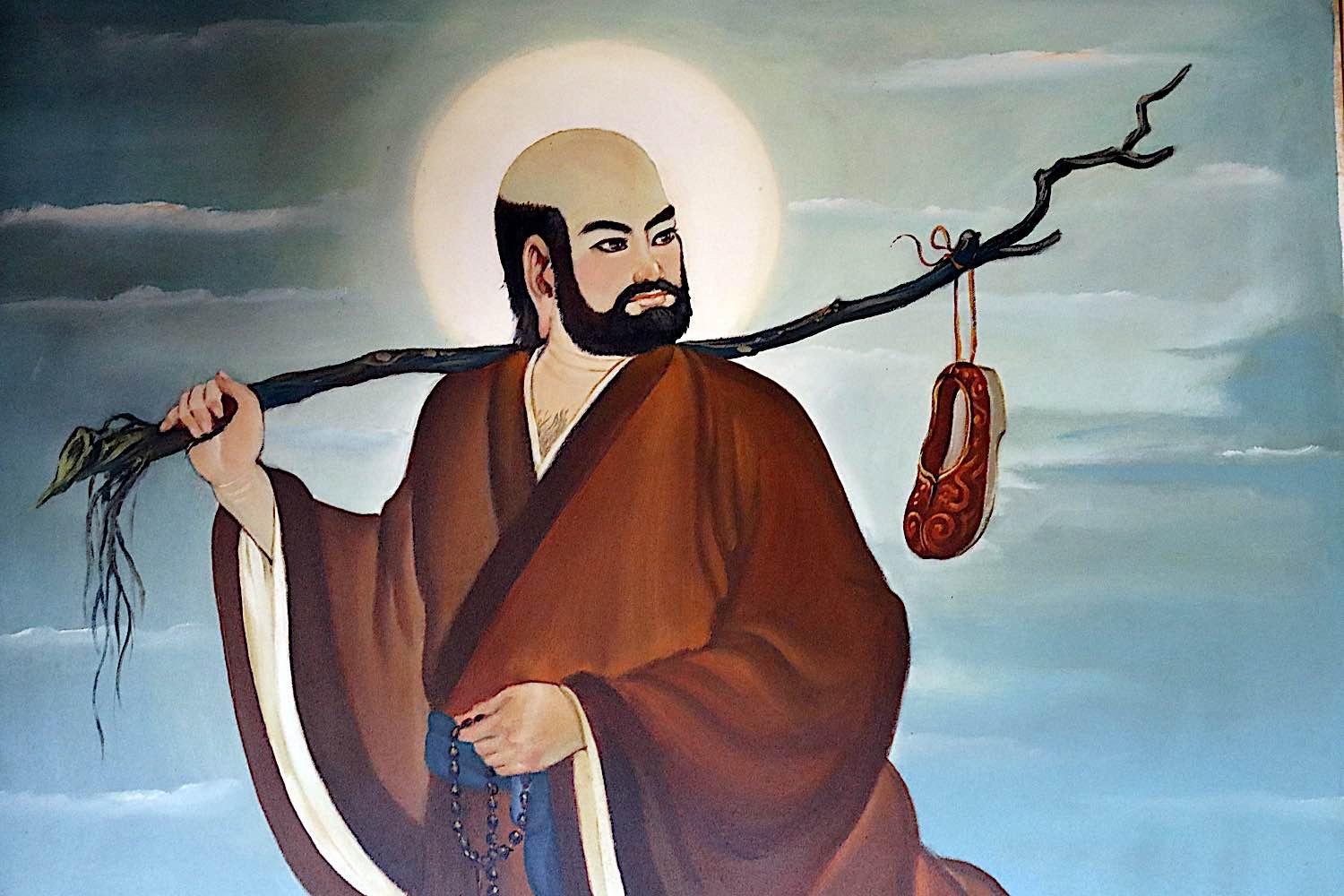
Becoming the Buddha Within
“To meet a buddha, become a buddha.” In this profound statement by Bodhidharma, we are invited to explore the transformative journey of self-realization. The essence of this teaching suggests that the encounter with enlightenment is not merely an external event but an internal evolution. It challenges us to recognize that the qualities we seek in a buddha—wisdom, compassion, and clarity—must first be cultivated within ourselves. This notion holds significant implications for our spiritual practice and daily lives, urging us to embody the very qualities we admire.
At its core, this quote speaks to the heart of Zen practice, where the path to awakening is not a passive observation but an active engagement with our own potential. It emphasizes the importance of personal responsibility in the spiritual journey, suggesting that enlightenment is not a distant goal but an attainable state of being. By becoming a buddha, we align ourselves with the teachings of compassion and mindfulness, ultimately transforming our interactions with the world around us. This call to action resonates deeply in a society often preoccupied with external validation, reminding us that true fulfillment arises from within.
The image / the metaphor
The imagery in Bodhidharma's quote evokes a sense of metamorphosis, where the act of becoming is as vital as the state of being. The verb "meet" implies an encounter that is both intimate and profound, suggesting that the realization of buddha-nature is not a solitary endeavor but a relational experience. To "become" a buddha is to engage in a process of deep inner work, shedding layers of ignorance and delusion. This journey is akin to a flower blossoming, where the bud represents potential, and the full bloom symbolizes realization.
Diving deeper into the metaphor, we can see that becoming a buddha is not merely about achieving a title or status; it is about embodying the qualities of a buddha in our everyday lives. This transformation requires dedication to practice, mindfulness, and an unwavering commitment to self-awareness. The journey is fraught with challenges, yet it is through these very challenges that we cultivate resilience and insight. Thus, the quote serves as both a guide and a reminder that the path to enlightenment is an ongoing process of becoming, rather than a final destination.
In the speaker's tradition
Bodhidharma, the founder of Zen Buddhism, emphasizes the importance of direct experience and personal realization. In the context of Zen, the concept of dharma plays a crucial role, as it refers to the teachings and the path that leads to enlightenment. The notion of kenosis, or self-emptying, resonates here, as it invites practitioners to let go of ego and preconceived notions in order to fully embrace their buddha-nature. This aligns with the Zen understanding of sunyata, or emptiness, which teaches that true wisdom arises from recognizing the interconnectedness of all beings.
Living the teaching
Consider a modern scenario where this teaching can be applied: a workplace conflict. Imagine a situation where tensions run high among colleagues, leading to misunderstandings and resentment. In this context, the invitation to “become a buddha” encourages individuals to approach the situation with compassion and mindfulness. By embodying the qualities of a buddha—patience, understanding, and clarity—one can transform the dynamics of the workplace, fostering a culture of collaboration and respect. This shift not only benefits the individual but also creates a ripple effect that can uplift the entire team.
A reflection
As we contemplate Bodhidharma's profound teaching, we are left with a contemplative question: In what areas of my life can I embody the qualities of a buddha to foster greater compassion and understanding? This inquiry invites us to reflect on our daily interactions and the ways in which we can cultivate a deeper sense of presence and awareness. By embracing this challenge, we open ourselves to the possibility of transformation, both within ourselves and in the world around us.
