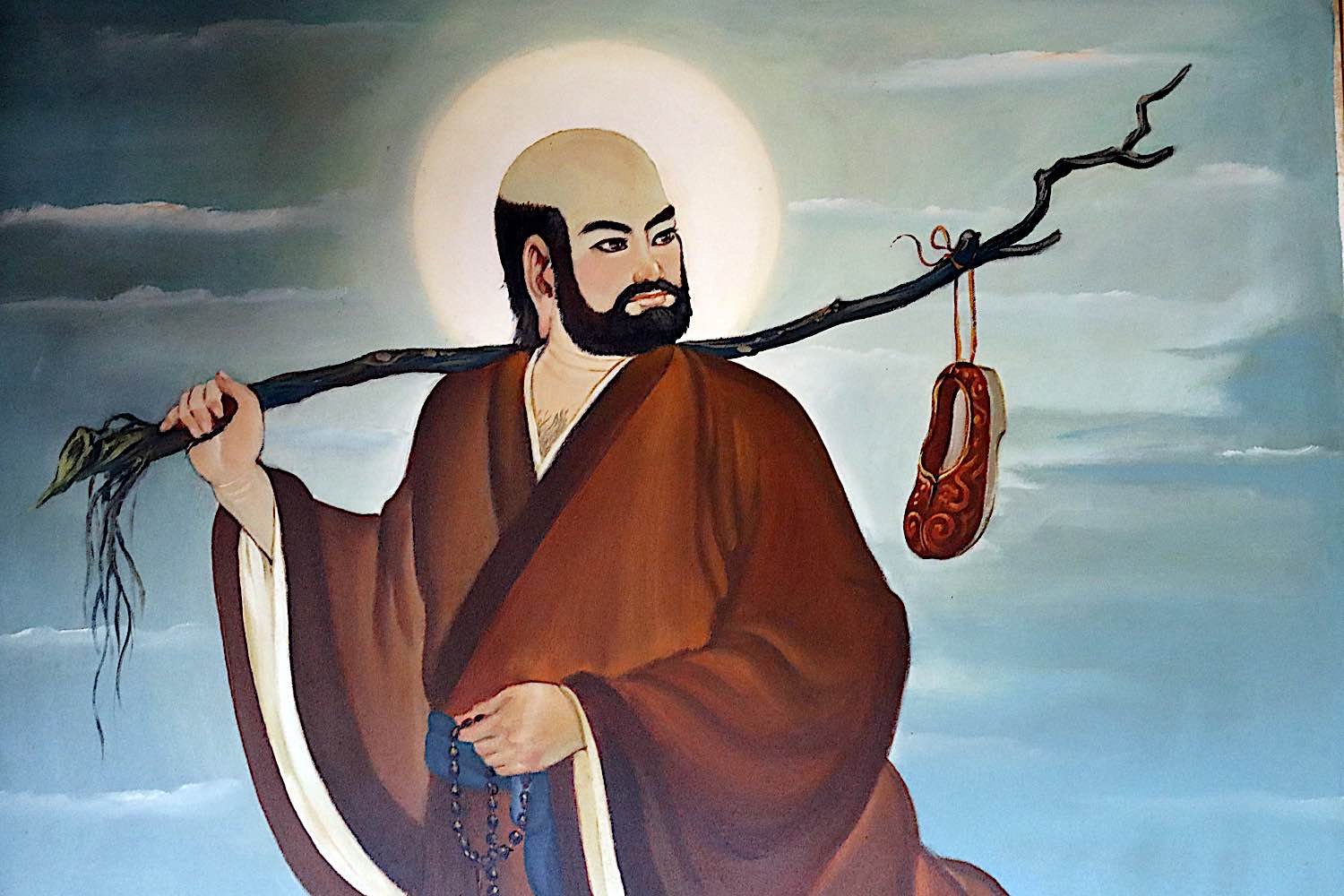
In the profound words of Bodhidharma, "They listen to others; the buddha is silent." This statement invites us to explore the essence of true understanding and the nature of wisdom. It suggests that while many may seek knowledge through external voices, the ultimate truth resides in silence, a silence that speaks volumes. This distinction between the chatter of the world and the quietude of the Buddha is not merely a philosophical observation; it is a call to cultivate an inner stillness that allows for deeper insight and connection with the self.
As we delve into this quote, we recognize that silence is not merely the absence of sound but a profound state of being that fosters clarity and awareness. In a world saturated with noise and distractions, the ability to listen deeply—to oneself and to the silence around us—becomes a rare and invaluable skill. Bodhidharma’s words challenge us to reconsider our relationship with knowledge and understanding, urging us to turn inward and embrace the stillness that can lead to genuine insight. This journey into silence is not a retreat from the world but an invitation to engage with it more authentically.
The image / the metaphor
The imagery in Bodhidharma's quote evokes a stark contrast between the active engagement of listening and the contemplative stillness of silence. Listening to others implies a dynamic interaction, a seeking of wisdom from external sources. In contrast, the Buddha's silence symbolizes a profound inner peace and a deep understanding that transcends words. This juxtaposition invites us to reflect on the nature of our own learning—are we merely absorbing information, or are we cultivating a deeper awareness that allows us to discern truth from noise?
Delving deeper into the metaphor, silence emerges as a fertile ground for spiritual growth. It is in the quiet moments that we can confront our thoughts, fears, and desires without the interference of external opinions. This silence is not empty; rather, it is filled with potential and possibility. It is a space where the mind can settle, allowing insights to arise organically. In this way, Bodhidharma’s assertion becomes a powerful reminder that true wisdom often emerges not from the cacophony of voices around us but from the stillness within.
In the speaker's tradition
Within the Zen tradition that Bodhidharma helped to establish, silence holds a sacred place. Concepts such as *sunyata* (emptiness) and *prajna* (wisdom) resonate deeply with his teachings. The idea of *kenosis*, or self-emptying, aligns with the notion that to truly understand, one must first let go of preconceived notions and the incessant chatter of the mind. In this context, the Buddha's silence is not a withdrawal from engagement but a profound expression of understanding that transcends verbal communication.
Moreover, Bodhidharma’s teachings echo the sentiments found in other Zen texts, such as the *Heart Sutra*, which emphasizes the emptiness of all phenomena. This sutra teaches that in recognizing the emptiness of our thoughts and perceptions, we can access a deeper level of wisdom. The silence of the Buddha, therefore, is not a silence of absence but a silence rich with the potential for awakening. It invites practitioners to explore the depths of their own consciousness, where true understanding resides.
Living the teaching
Consider a modern scenario where this teaching might resonate: in a meeting filled with voices vying for attention, one individual chooses to remain silent, observing the dynamics at play. Instead of contributing to the noise, they reflect on the underlying tensions and motivations of their colleagues. This silence allows them to gain insights that others may overlook, ultimately leading to a more thoughtful and effective contribution when they do choose to speak. In this way, Bodhidharma’s teaching becomes a practical guide for navigating the complexities of human interaction.
Another application of this teaching can be found in personal relationships. Imagine a moment of conflict where emotions run high, and words are exchanged in haste. By embracing silence, one partner can create a space for reflection, allowing both individuals to process their feelings without the escalation of anger. This intentional pause not only fosters understanding but also opens the door to deeper communication when both parties are ready to engage. Here, the silence becomes a powerful tool for healing and connection, embodying the essence of Bodhidharma’s wisdom.
A reflection
As we contemplate Bodhidharma's assertion, we are invited to consider the role of silence in our own lives. How often do we find ourselves caught in the noise of external opinions, neglecting the wisdom that arises from within? In moments of stillness, what truths emerge that might otherwise remain hidden? This contemplation encourages us to cultivate a practice of silence, allowing us to listen not only to the world around us but also to the profound depths of our own being.
