What is Neofolk?
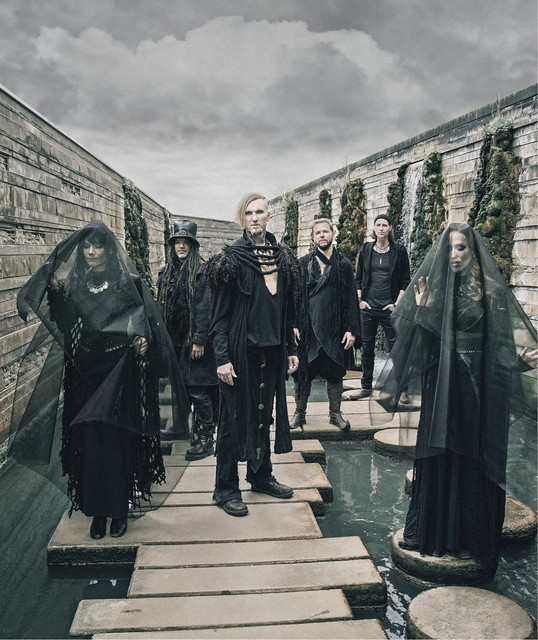
Neofolk (originally known as apocalyptic folk) is a music genre that emerged during the 1980s through the British post-punk and industrial music scene. It is primarily characterized by acoustic instrumentation and draws influences from dark wave and post-industrial styles such as dark ambient. Neofolk blends elements of traditional and contemporary folk music with post-industrial and avant-garde influences, distinguishing it from mainstream folk traditions.
Important clarification: Neofolk is not a spiritual practice, healing modality, or conscious music movement. It is an experimental music genre with roots in industrial and post-punk counterculture. While it incorporates pagan and occult themes, these are artistic and literary references rather than wellness or spiritual development practices.
Origins & Lineage
Neofolk originated in the 1980s, with bands from the dark wave, post-punk and industrial music scenes, including Death In June, Current 93 and Sol Invictus. Key figures—Douglas Pearce of Death In June, Tony Wakeford of Sol Invictus, and David Tibet of Current 93—shaped its early sound after departing from punk origins. Death in June was originally formed in the United Kingdom in 1981 as a trio, though after the other members left in 1984 and 1985, the group became the work of Douglas P. and various collaborators.
The term “apocalyptic folk” predates neofolk and was used by Current 93’s David Tibet to describe the music of his band during the late 1980s and early 1990s. Initially, Tibet did not intend to imply connection with the folk music genre; rather, that Current 93 was made by “apocalyptic folk”: in other words, apocalyptic people.
The genre built on 1960s folk acts like Comus and Vulcan’s Hammer, which mixed medieval tones with psychedelic experimentation, and drew inspiration from Nico’s brooding post-Velvet Underground work. In 1991, Douglas P. named and helped form World Serpent Distribution, a British distribution company that specialized in esoteric, experimental, and post-industrial music.
How It’s Practiced
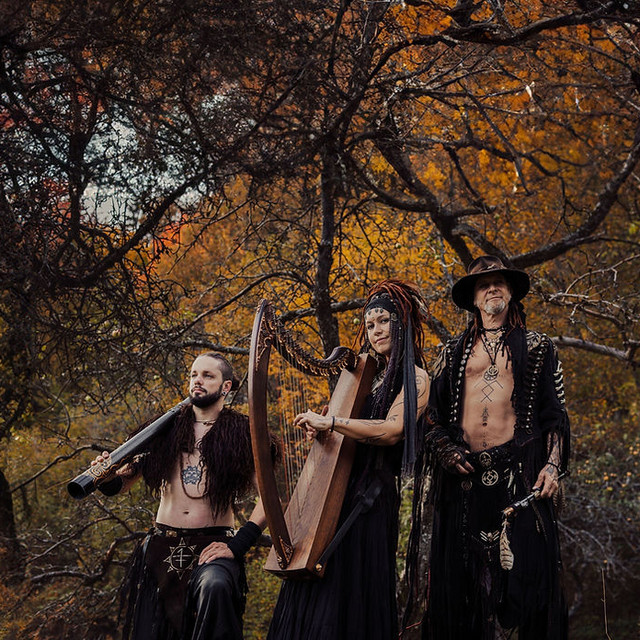
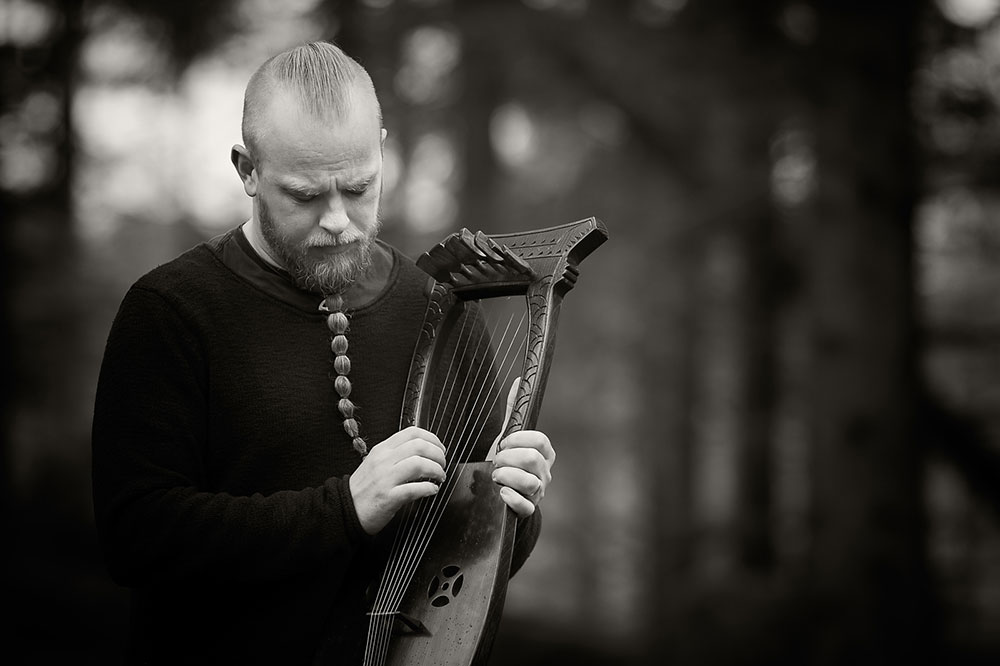
Neofolk is experienced as music listening and performance, not as a spiritual or therapeutic practice. Vocals may range from melodic singing to spoken word, with arrangements emphasizing atmosphere and mood over conventional song structures. Common instruments utilized in neofolk music are the acoustic guitar, violin, flute, horn, trumpet and frame drum.
The primary instrument is the acoustic guitar, typically played in a repetitive, strummed fashion that emphasizes mood over technical virtuosity, often layered with “found sounds,” such as wind, bells, or historical speech samples. Vocal delivery is generally low-toned and melancholic, ranging from whispered spoken word to melodic baritone.
A majority of artists within the neofolk genre use archaic, cultural and literary references. Local traditions and indigenous beliefs are also heavily portrayed, as are esoteric and historical topics.
Neofolk Today
Although neofolk music has never topped Billboard charts, it retains a dedicated following. Neofolk holds particular currency in the twenty-first-century goth scene. Most neofolk artists stem from Nordic countries, Germany and Italy.
Today, listeners encounter neofolk primarily through recorded music, streaming platforms, and live performances at alternative music venues. Events like the Wave-Gotik-Treffen in Leipzig legitimized neofolk as a significant, albeit controversial, European cultural movement. The genre remains niche, with no retreats, classes, or certification programs as would be typical in conscious/spiritual communities.
Common Misconceptions
Neofolk is not “spiritual music” in the wellness sense. While various forms of neopaganism and occultism play a part in the themes touched upon by many modern and original neofolk artists, these are literary and aesthetic references rather than prescriptive spiritual teachings or healing practices.
It is not synonymous with traditional folk music. Unlike traditional folk music, which often seeks to preserve national customs, neofolk utilizes the “folk” medium as a vessel for apocalyptic lamentation and a radical critique of modern, rationalist society.
The genre carries significant controversy. Many bands use metaphors, sometimes borrowing terms such as Ernst Jünger’s Waldgänger and using fascist symbols and slogans, which has led to an association of the genre with the far-right, though this is contested by fans. It also remains popular among certain far-right nationalist groups in Europe—a source of consternation for some of the genre’s fan base.
It is not meditative or healing music. The aesthetic is deliberately dark, martial, and confrontational, not designed for relaxation, ceremony, or therapeutic use.
How to Begin
If you’re interested in exploring neofolk as a music genre (not as a spiritual practice), start with the foundational albums:
- Death in June – But, What Ends When the Symbols Shatter? (1992)
- Current 93 – Thunder Perfect Mind (1992)
- Sol Invictus – In the Rain (1995)
Tibet and Current 93 produced some covers of traditional English folk songs, and Tibet himself was a great advocate for reclusive English folk singer Shirley Collins. Exploring these connections can provide context for the genre’s folk lineage.
For academic understanding, consult Andreas Diesel and Dieter Gerten’s Looking for Europe: Neofolk und Hintergründe (2005) or Anton Shekhovtsov’s 2009 paper “Apoliteic Music: Neo-Folk, Martial Industrial and ‘Metapolitical Fascism’” in Patterns of Prejudice.